


























































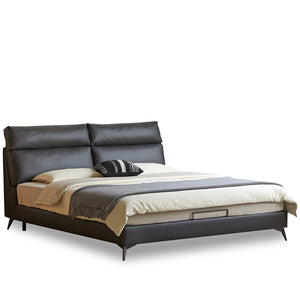




















Children Bed Size Guide Singapore: Single, Super Single or Bunk Bed?
Summarize with AI
Get a quick summary of this article using your preferred AI assistant.


Buying a kids bed sounds easy until the room starts feeling smaller than expected.
One common situation we hear from parents is this: they measure the wall, choose a cute children bed online, and the bed technically fits. But after delivery, the wardrobe door cannot open fully, the study desk feels squeezed, or there is barely enough walking space beside the bed.
This is especially common in Singapore homes, where children’s bedrooms in HDB flats and condos often need to fit a bed, wardrobe, study desk, toy storage and still leave enough space for daily movement.
Quick answer: The best children's bed size depends on your child’s age, room layout and how long you want the bed to last. A single bed is suitable for compact rooms, a super single bed gives more growing space, while a bunk bed works better for shared rooms or space saving layouts.

Kids Bed Size Guide
Which Children Bed Size Should Parents Choose?
The right children bed should fit the room, leave enough walking space and support your child as they grow. Use this quick guide to compare single beds, super single beds, bunk beds and storage beds before buying.
Single Bed
Common size: around 910 mm × 1900 mm
Best for compact HDB or condo children’s rooms. A single bed keeps more space for a study desk, wardrobe and play area.
Super Single Bed
Common size: around 1070 mm × 1900 mm
Gives more sleeping space and may last longer as your child grows. However, it takes around 160 mm more width than a single bed.
Bunk Bed
Footprint: similar to one bed, sleeps two children
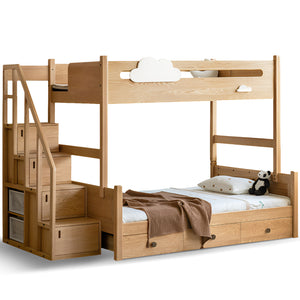
A bunk bed helps save floor space when siblings share one room. Parents should check ceiling height, ladder design and guardrails carefully.
Storage Bed
Check drawer or lift up clearance
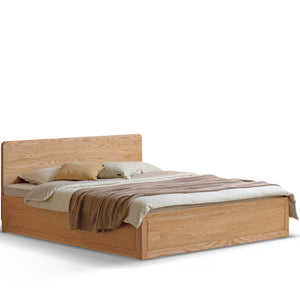
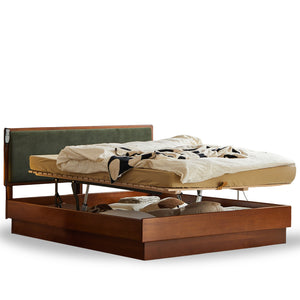
Useful for storing toys, bedding, books and seasonal items. Drawer beds need side clearance, while lift up beds need safe opening space.
Simple Room Calculation
Why Bed Width Matters
Example: If a children’s room is 3000 mm wide and you place a desk zone that needs around 1200 mm, the remaining usable space changes depending on the bed size.
In this example, choosing a super single bed reduces the remaining space by about 160 mm. That may sound small, but in a compact child’s room, it can affect walking space, chair movement and wardrobe access.
Quick Buying Tip
Do not choose the biggest bed immediately. Choose the bed that gives your child enough sleeping comfort while keeping the room easy to walk, study, clean and organise.
1. Start With the Room Size
Before choosing a children's bed, measure the room and check how much usable space remains after placing the bed.
Do not only measure the wall length. Parents should also check the room width, wardrobe door clearance, walking space, study table position, window access and storage opening space. A bed that fits the room on paper may still make the room difficult to use every day.
A simple trick is to mark the bed size on the floor using masking tape. Then open the wardrobe, pull out the chair, walk around the room and imagine your child using the space daily. This gives a much clearer picture than looking at dimensions alone.
2. Single Bed for Kids
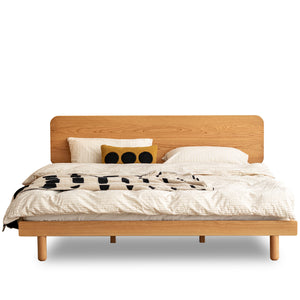
A single bed is usually the most space friendly option for children’s rooms in Singapore.
It is a practical choice for younger children, compact bedrooms and homes where parents want to keep more floor space for play, study or storage. A single bed also makes it easier to fit a study desk, wardrobe and small cabinet into the same room.
For many families, a single kids bed is a good first proper bed after the toddler stage. It keeps the room flexible and avoids making the bedroom feel too full too early.

3. Super Single Bed for Growing Children
A super single bed gives children more sleeping space and may last longer as they grow.
This option is useful for older children, taller kids or parents who want a bed that can support longer term use. The extra width can feel more comfortable, especially as the child grows into primary school or teenage years.
However, a super single bed takes up more room than a single bed. Before choosing it, check whether there is still enough space for a study desk, wardrobe door, walking area and storage access. In a small room, the extra comfort may come at the cost of daily convenience.

4. Bunk Bed for Shared Rooms
A bunk bed can save floor space when two children share one room, but safety and ceiling height must be checked carefully.
Bunk beds are popular because they free up floor space for storage, play or study. They can work well for siblings sharing one room, especially in compact HDB or condo bedrooms.
That said, parents should not choose a bunk bed based on space saving alone. Check the ladder design, guardrail height, mattress thickness, ceiling clearance and whether the child can climb up and down confidently. A bunk bed should feel safe and practical, not just efficient.

5. Storage Bed for Children’s Rooms
A storage bed is useful when the children’s room needs extra space for bedding, toys, books or seasonal items.
For small rooms, storage beds can reduce clutter by combining sleeping space and storage in one piece of furniture. They are helpful for families who do not want to add another cabinet into an already tight room.
Before buying, check how the storage opens. Drawer storage needs side clearance, while lift up storage needs enough strength and safe handling. Also check whether the child or parent will be using the storage regularly.
6. Low Bed or Standard Height Bed
A low bed is easier for younger children to climb in and out of, while a standard height bed may be more suitable for older children.
For younger kids, a lower bed can feel safer and easier to access. For older children, a standard height bed may offer better comfort and sometimes allows under bed storage.
Always check the final height, not just the frame height. Mattress thickness can change how high the bed feels in daily use.
Children Bed Buying Checklist for Singapore Parents
Before buying a children's bed, check the bed size, room layout, safety features, mattress height and delivery access.
Measure the room, confirm the bed frame size, check mattress compatibility, leave enough walking space, test wardrobe clearance, plan the study desk area, review guardrails for raised beds, check ladder safety for bunk beds, confirm storage opening space, review material and finishing, and check delivery and assembly details.
The safest choice is not always the biggest bed. It is the bed that fits your child, your room and your daily routine.
Final Thoughts
Choosing the right children's bed is not only about finding a cute design. Parents should consider bed size, room layout, safety, storage and how long the bed can support the child as they grow.
For Singapore homes, especially HDB and condo bedrooms, the best kids bed should feel comfortable without making the room difficult to use. Measure first, compare the options carefully, then choose a bed that supports both your child’s sleep and your home layout.
Frequently Asked Questions
Helpful answers for Singapore parents who are planning to choose the right children bed size for an HDB or condo bedroom.
What bed size is best for a child in Singapore?
A single bed is suitable for compact children’s rooms, while a super single bed gives more space for growing children. The best choice depends on your child’s age, room layout, walking space and how much furniture needs to fit inside the room.
Is a single bed enough for kids?
Yes, a single bed is enough for many younger children and compact bedrooms. It also leaves more room for a study desk, wardrobe, storage cabinet or play area, which is important in smaller HDB and condo rooms.
Is a bunk bed suitable for children?
A bunk bed can be suitable for children sharing one room, but parents should check the guardrails, ladder design, mattress thickness, ceiling height and the child’s ability to climb safely. It should feel safe and practical, not only space saving.
Are storage beds good for kids?
Storage beds can be useful for children’s rooms because they help store toys, bedding, books and seasonal items. Before buying, check how the storage opens. Drawer storage needs side clearance, while lift up storage needs safe handling space.
What should I measure before buying a kids bed?
Measure the wall length, room width, walking space, wardrobe clearance, study table area, window access and space needed to open storage drawers. Parents should also check the full bed frame size, not only the mattress size.
Ready to Choose the Right Kids Bed?
Explore Loft Home kids beds for Singapore homes. Compare single beds, bunk beds, storage beds and space saving designs to find a practical option for your child’s room.
Explore Kids Beds




Leave a comment