
















































































Convertible Console-to-Dining Tables: A Complete Guide to Mechanism Types
Table Of Contents
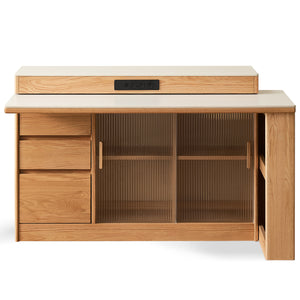
In today's compact urban living environments, particularly in space-conscious cities like Singapore, multifunctional furniture has become essential rather than optional. Among these ingenious space-saving solutions, the convertible console-to-dining table stands out as a marvel of practical design.
These versatile pieces serve as slim console tables when not in use, tucked neatly against walls or behind sofas. Yet when entertaining guests or hosting family dinners, they transform into full-sized dining tables capable of seating multiple people. The magic behind this transformation lies in their mechanisms—the carefully engineered systems that allow these tables to expand, unfold, or otherwise convert from one form to another.
Understanding the different mechanism types is crucial when investing in a convertible table. Each system offers distinct advantages in terms of ease of use, stability, storage capacity, and aesthetic appeal. In this comprehensive guide, we'll explore the various mechanism types available in today's market, helping you identify which solution best meets your specific needs, space constraints, and design preferences.
Understanding Convertible Console-to-Dining Tables
Convertible console-to-dining tables represent the pinnacle of space-saving furniture design. In their compact form, these tables typically measure between 30-45cm in depth, making them ideal for narrow hallways, small living areas, or as stylish accent pieces. When transformed, they expand to accommodate standard dining dimensions, usually 75-90cm in width and varying lengths depending on the model.
The appeal of these transformable pieces extends beyond mere functionality. They offer a sophisticated solution for homeowners who entertain occasionally but don't have the space for a permanent dining table. They also serve as excellent options for open-concept homes where spatial flexibility is valued, or for those who simply appreciate the elegance of multifunctional design.
What truly sets these tables apart, however, is their transformation mechanism. These engineering marvels determine not only how the table converts from one form to another but also influence factors like stability, ease of use, and longevity. Let's examine the primary types of mechanisms available in today's market.
Primary Mechanism Types
The mechanism of a convertible console-to-dining table is its defining feature. Each type offers a unique combination of benefits and considerations that can significantly impact your satisfaction with the piece. Here's an in-depth look at the most common mechanism types:
Sliding Extension Mechanisms
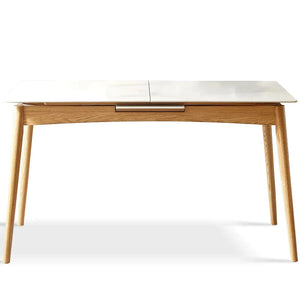
Sliding extension systems are among the most popular mechanisms for convertible tables. In this design, extension leaves are stored within the table structure and slide out horizontally when needed.
The primary advantage of sliding mechanisms is their straightforward operation. Most designs allow for one-person transformation without the need to lift heavy components. The extension leaves typically glide along internal rails or tracks, with high-quality systems featuring ball-bearing mechanisms for smooth movement.
These systems are further categorized into two main types:
Telescopic Slide Systems: Extension leaves are stored one beneath another inside the table frame. When extended, each leaf slides out sequentially, creating a continuous surface. This system allows for impressive expansion ratios, with some tables extending to three or four times their original length.
Butterfly Extension Systems: Named for their movement pattern, these mechanisms feature extension leaves that fold in half (like butterfly wings) when stored within the table. During transformation, the leaf unfolds as it's pulled out, creating a larger surface area with fewer stored pieces.
Sliding mechanisms are particularly well-suited for modern tables and contemporary designs where clean lines and seamless transformations are desired. They tend to be more complex in construction, which can be reflected in their price point.
Folding Leaf Mechanisms
Folding leaf systems, sometimes called drop-leaf or flip-top mechanisms, rely on hinged extension pieces that fold down when not in use and can be raised to expand the table surface.
Unlike sliding systems, which store extensions within the table body, folding mechanisms allow the extension leaves to hang vertically along the sides of the table or fold completely on top or underneath the main surface. This design often results in a slimmer profile when in console mode.
The main variants of folding mechanisms include:
Side Drop-Leaf: Extension leaves are hinged to the long sides of the table and can be raised horizontally when needed. Support brackets, swing-out legs, or gate-leg systems provide stability for the extended leaves.
Flip-Top: The entire tabletop is hinged and can be folded in half when in console mode. When opened, the top doubles in size and can be rotated to sit atop the base in a new orientation.
Folding mechanisms generally offer a more traditional aesthetic, making them excellent choices for vintage-style tables or rustic designs. They're typically less complex mechanically than sliding systems, which can contribute to greater long-term reliability and easier repairs if needed.
Lifting and Expanding Mechanisms
Lifting and expanding mechanisms represent some of the most innovative solutions in the convertible table market. These systems transform tables through a combination of vertical and horizontal movements.
The defining feature of these mechanisms is a height-adjustment component that allows the table to rise from coffee table height to standard dining height. Simultaneously or subsequently, the surface area expands to accommodate dining needs.
Common variations include:
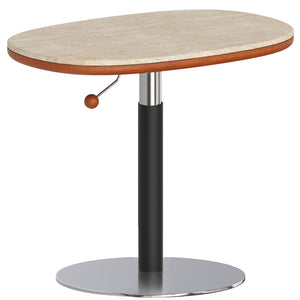
Gas-Lift Systems: Utilizing pneumatic pistons or gas springs, these mechanisms provide smooth, controlled height adjustments with minimal effort. The tabletop typically rises first, followed by extension of the surface area.
Rack-and-Pinion Systems: These mechanical systems use geared components to control both lifting and extending functions, often operated via a hand crank or lever mechanism.
The versatility of lifting mechanisms makes them especially suitable for height-adjustable tables that need to serve multiple functions beyond just console and dining uses. They're particularly valuable in small apartments where a single piece might need to function as a work desk, coffee table, and dining table at different times.
While extraordinarily versatile, these systems tend to be the most complex mechanically, which can affect both price and maintenance requirements.
Nested Table Systems
Nested table systems take a different approach to the conversion challenge. Instead of transforming a single piece, these designs feature multiple separate table components that store compactly together when not in use.
In a typical nested system, smaller table sections tuck underneath or inside a main console piece. When dining space is needed, these sections are pulled out and arranged to create a larger surface area.
The primary configurations include:
Pull-Out Nested Tables: Smaller table sections slide out horizontally from beneath the main console, creating a wider or longer surface when aligned.
Stacked Nested Tables: Separate table components of varying heights store vertically stacked, then arrange side-by-side or end-to-end to create a dining surface.
The main advantage of nested systems is their mechanical simplicity. With fewer complex parts, these tables tend to be more affordable and less prone to mechanical failure. They also offer unique design possibilities, with some models allowing for flexible configurations beyond just console and dining formats.
These systems work particularly well with minimalist and modular table designs, where the visual separation of components can become a design feature rather than a drawback.
Rotating Transformation Mechanisms
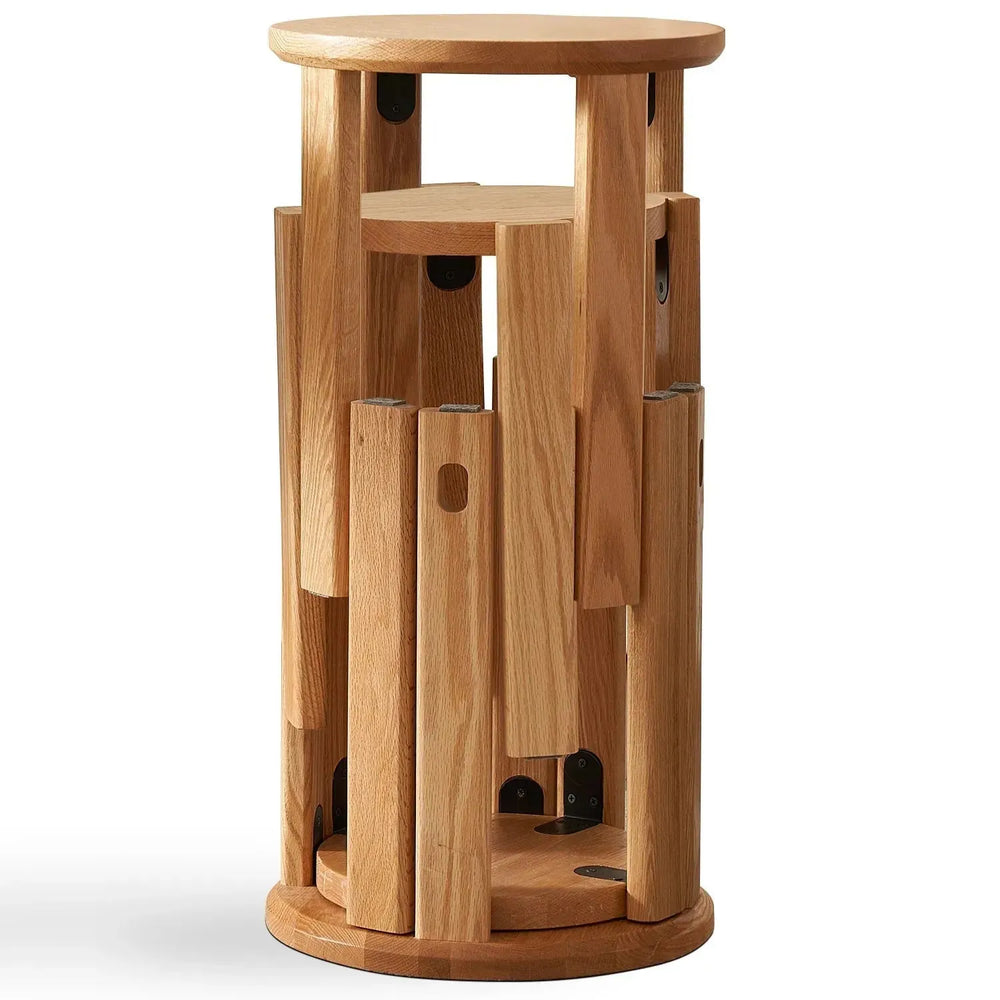
Rotating transformation mechanisms employ pivoting or twisting motions to convert between console and dining configurations. These ingenious systems often create surprisingly dramatic transformations with relatively simple mechanical principles.
The defining characteristic is a pivot point or axis around which table components rotate. This rotation either reveals hidden sections or reconfigures existing ones to create a larger surface.
Common variations include:
Pivot-and-Fold Systems: The tabletop rotates around a central axis and unfolds to reveal additional surfaces that were previously stored vertically or underneath.
Twist-and-Expand Systems: The entire tabletop rotates while simultaneously expanding outward, often through a spiral motion that reveals additional leaf sections.
Rotating mechanisms can create particularly dramatic transformations, making them excellent conversation pieces. They often appear in contemporary and eclectic furniture designs where the transformation itself is part of the aesthetic appeal.
While visually impressive, the complexity of some rotating mechanisms can make them less suitable for daily transformation. They're often best for situations where the table will remain in one configuration for extended periods, with occasional transformations for special events.
Material Considerations for Mechanisms
The durability and smooth operation of any convertible table mechanism depends significantly on the materials used in its construction. Here's what to consider when evaluating mechanism quality:
Metal Components: High-quality mechanisms typically feature steel or aluminum components for critical parts like rails, hinges, and support structures. Stainless steel or powder-coated finishes offer additional protection against corrosion and wear.
Bearing Systems: Premium sliding mechanisms often incorporate ball bearings or roller bearings to ensure smooth movement. These reduce friction and provide consistent operation even with heavy extension leaves.
Connection Hardware: The screws, bolts, and fasteners that hold mechanism components together should be made from durable materials and properly secured to prevent loosening over time.
When examining tables with different mechanism types, pay attention to the sound and feel of the transformation. Quality mechanisms operate smoothly and quietly, with minimal flexing or wobbling during the conversion process.
Key Features to Look For
Beyond the basic mechanism type, several features can significantly enhance the functionality and user experience of a convertible console-to-dining table:
Self-Contained Storage: Premium tables store all necessary extension leaves and support components within the table itself, eliminating the need for separate storage.
Tool-Free Operation: The best mechanisms require no additional tools to transform between configurations, with all necessary supports built into the design.
Locking Systems: Secure locking mechanisms ensure that the table remains stable in both console and dining configurations, preventing unwanted movement or collapse.
Soft-Close Features: Some high-end tables include dampening systems that prevent slamming and protect the mechanism during transformation.
Synchronized Movement: Advanced mechanisms may offer synchronized extension systems where multiple leaves extend simultaneously, simplifying the transformation process.
Adjustable Leveling: Built-in levelers allow the table to adapt to uneven floors, ensuring stability in all configurations.
When comparing different extendable tables, consider which of these features would be most valuable for your specific situation and usage patterns.
Maintenance Tips for Table Mechanisms
To ensure the longevity and smooth operation of your convertible table's mechanism, regular maintenance is essential:
Periodic Lubrication: Apply an appropriate lubricant to moving parts like rails, hinges, and pivot points according to the manufacturer's recommendations, typically every 6-12 months.
Keep Tracks Clean: For sliding mechanisms, regularly remove dust and debris from tracks or rails to prevent resistance and wear.
Check and Tighten Hardware: Periodically inspect all visible screws and fasteners, tightening as needed to prevent mechanism loosening.
Proper Transformation Technique: Follow the manufacturer's instructions for extending and retracting the table to avoid putting undue stress on the mechanism.
Even Weight Distribution: When in dining configuration, distribute heavy items evenly across the table surface rather than concentrating weight on extension areas.
With proper care, a quality convertible table mechanism should provide many years of reliable operation, making your investment in functional tables worthwhile in the long run.
Choosing the Right Mechanism for Your Space
Selecting the ideal mechanism type depends on your specific needs and constraints:
For Frequent Transformation: If you'll be converting your table daily or several times weekly, prioritize sliding extension or gas-lift mechanisms, which typically offer the easiest and quickest transformation.
For Limited Space: In extremely tight spaces, folding mechanisms often provide the slimmest console profile, while nested systems offer the most flexibility in terms of placement.
For Maximum Expansion: Telescopic sliding systems typically offer the greatest size difference between console and dining configurations, with some models expanding to seat 8-10 people from a slim console.
For Design Statement: Rotating transformation mechanisms often create the most dramatic visual effect, making them excellent choices when the table serves as a focal point in your interior design.
For Budget Considerations: Generally, folding leaf and nested systems tend to be more affordable due to their simpler construction, while lifting and synchronized sliding systems represent the premium end of the market.
Consider how the table will interact with your existing dining room or living room furniture. Ensure you have adequate clearance for the table in both configurations and that the transformation zone remains unobstructed by other furniture pieces.
Conclusion
Convertible console-to-dining tables represent the perfect marriage of form and function for space-conscious living. The mechanism type lies at the heart of these ingenious pieces, determining not only how they transform but also influencing their stability, ease of use, and overall longevity.
Whether you prefer the straightforward operation of sliding extensions, the traditional charm of folding leaves, the versatility of lifting systems, the simplicity of nested components, or the dramatic flair of rotating transformations, there's a convertible table mechanism suited to your specific needs and aesthetic preferences.
When investing in a convertible table, remember that the quality of the mechanism is as important as the beauty of the finished piece. A well-engineered transformation system will continue to operate smoothly for years to come, while a poorly designed one may lead to frustration and premature replacement.
By understanding the strengths and considerations of each mechanism type, you can make an informed choice that balances your space constraints, usage patterns, design preferences, and budget considerations—finding the perfect convertible solution for your Singapore home.
Visit Loft Home Furniture to explore our collection of convertible console-to-dining tables featuring various mechanism types. Our design specialists can help you select the perfect space-saving solution for your home, with professional delivery and installation services available throughout Singapore.





Leave a comment