












































































Curved Sectional Sofas: Smart Layouts for Odd-Shaped Rooms
Table Of Contents
- Why Curved Sectional Sofas Work for Odd-Shaped Rooms
- Common Odd-Shaped Room Challenges in Singapore Homes
- Layout Solutions for Different Room Shapes
- Choosing the Right Curved Sectional for Your Space
- Styling Your Curved Sectional to Maximize Space
- Material and Fabric Considerations
- Making the Most of Your Odd-Shaped Room
Have you ever walked into your living room and wondered why nothing seems to fit quite right? That awkward corner that swallows furniture, the narrow stretch that makes traditional sofas look like dominoes, or the angled wall that defies every layout you've tried—odd-shaped rooms present unique challenges that standard furniture simply can't solve.
For Singapore homeowners dealing with compact HDB flats, uniquely designed condos, or renovated landed properties with unconventional floor plans, these spatial puzzles are all too familiar. The good news? Curved sectional sofas offer an elegant solution that transforms problematic layouts into functional, visually appealing spaces.
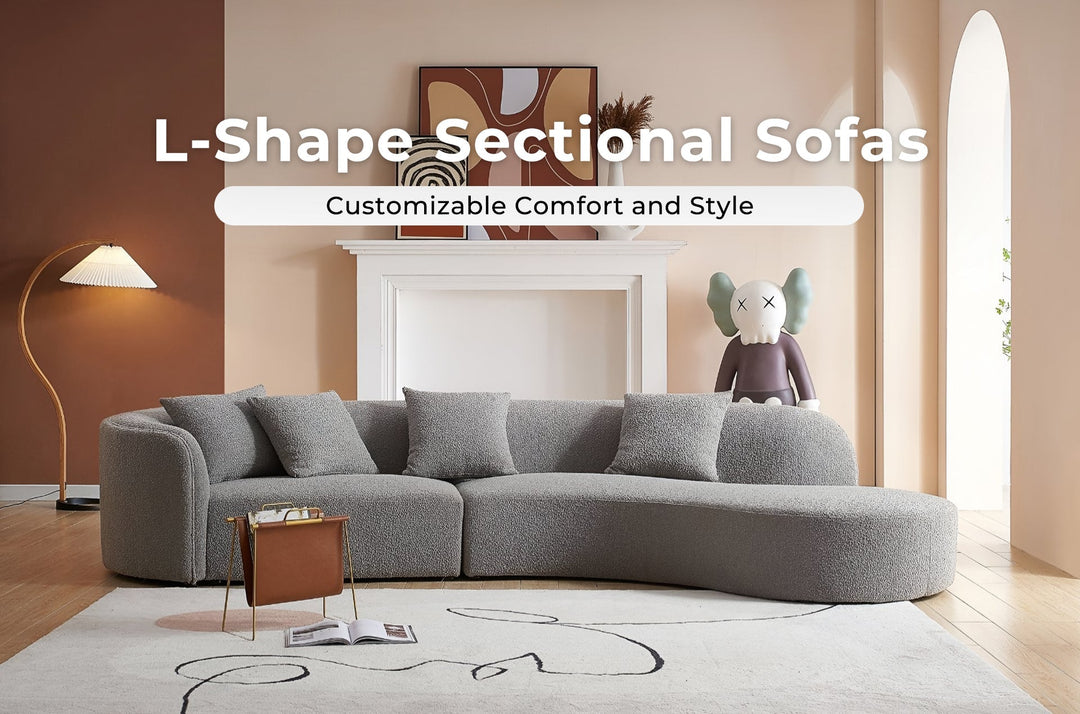
Unlike traditional L-shaped sofas that create hard angles and rigid zones, curved sectionals flow organically through your space, softening awkward transitions and creating natural conversation areas. They're particularly effective in rooms where standard furniture arrangements leave you with wasted corners, disrupted traffic flow, or an unbalanced aesthetic.
In this guide, we'll explore how to leverage curved sectional sofas to solve common layout challenges, with specific solutions for different room configurations, expert tips for maximizing your space, and practical advice for choosing the perfect piece for your home.
Why Curved Sectional Sofas Work for Odd-Shaped Rooms
Curved sectional sofas possess a unique architectural quality that makes them exceptionally suited to challenging spaces. Their gentle, sweeping lines create visual flow rather than interruption, which proves invaluable when working with rooms that don't conform to traditional rectangular proportions.
The primary advantage lies in their ability to define zones without creating harsh divisions. In open-concept Singapore apartments where living and dining areas blend together, a curved sectional acts as a soft boundary that maintains the sense of spaciousness while providing clear functional areas. The arc naturally guides movement around the furniture rather than forcing awkward navigation around sharp corners.
From a design perspective, curves introduce an element of sophistication that counterbalances angular architectural features. If your room has unusual angles, pillars, or offset walls, the organic shape of a curved sectional creates visual harmony rather than competing with existing irregularities. This softening effect makes spaces feel more intentional and thoughtfully designed, even when you're simply working with what you've got.
Practically speaking, curved sectionals offer flexible seating capacity that adapts to various social configurations. The continuous seating surface encourages conversation by facing people toward each other naturally, making these pieces ideal for Singapore's culture of hosting family gatherings and entertaining friends. Unlike modular pieces that can feel disjointed, a well-designed curved sectional provides cohesive comfort that accommodates anywhere from intimate conversations to larger groups.
Common Odd-Shaped Room Challenges in Singapore Homes
Understanding your specific spatial challenge is the first step toward finding the right solution. Singapore homes present several recurring layout issues that curved sectionals can effectively address.
Narrow, elongated spaces are particularly common in older HDB flats and shophouse conversions, where living areas may be 3-4 meters wide but stretch 6-8 meters in length. Standard sofas placed against the long wall create a bowling alley effect, while positioning them across the width cuts the room in half awkwardly.
Rooms with diagonal walls or angled corners often result from unique condo designs or renovations that combined multiple smaller rooms. These angular features create dead zones where rectangular furniture leaves unusable triangular gaps. Traditional sofas either waste this space entirely or sit at odd angles that disrupt flow.
Open-concept layouts without natural divisions characterize many modern condos, where living, dining, and sometimes even kitchen areas share one large rectangle. Without walls to anchor furniture arrangements, creating distinct zones becomes challenging. Homeowners often struggle to establish a living area that feels cozy without blocking sightlines or natural light.
Spaces with prominent architectural features like bay windows, alcoves, or structural pillars require furniture that complements rather than fights these elements. A bay window might be perfect for a reading nook, but how do you position your main seating to take advantage of the view without turning your back on the rest of the room?
Layout Solutions for Different Room Shapes
Long, Narrow Living Rooms
For elongated spaces, a curved sectional positioned perpendicular to the long walls creates an effective zone without completely bisecting the room. The key is using the curve to establish a semi-circular conversation area that claims the seating zone while maintaining visual and physical flow to the rest of the space.
Position the sectional approximately one-third of the way into the room from the entrance end, with the curve facing the main living area. This creates a welcoming seating zone immediately upon entering while leaving the far end available for other functions—perhaps a study table or additional seating for larger gatherings.
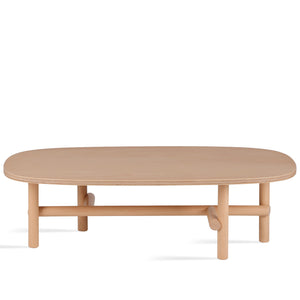
Complement this arrangement with a streamlined coffee table that echoes the curved form. Oval or kidney-shaped tables work particularly well, maintaining the organic flow while providing surface area without sharp corners that could impede movement through the narrow space. Place a low-profile console table behind the sectional to further define the boundary while adding storage and display space.
For rooms narrower than 3.5 meters, consider a shallower curved sectional or a semi-circular loveseat-style piece that provides the benefits of the curved form without overwhelming the limited width. Pair this with accent chairs positioned at angles to complete the seating arrangement without adding bulk.
Rooms with Awkward Angles
When dealing with diagonal walls, angled corners, or rooms that are decidedly not rectangular, curved sectionals become spatial problem-solvers. The strategy here involves using the curve to bridge the gap between regular and irregular architectural elements.
Position your curved sectional to create a counterpoint to the angular walls. If you have a corner that juts into the room at an odd angle, place the sectional to curve away from it, creating a smooth, inhabited zone that makes the angular corner feel like intentional architectural interest rather than a flaw. The negative space behind the sectional can accommodate floor lamps, tall plants, or decorative elements that fill the awkward corner attractively.
For rooms with multiple angled walls, center the curved sectional as a focal anchor point. Orient the seating to face either the best architectural feature (a window with a view, a feature wall) or the room's entertainment center. This establishes a clear "front" to the space, giving coherence to an otherwise confusing layout.
When working with pronounced angles, resist the temptation to push furniture flat against walls. Instead, float the sectional in the space, allowing it to create its own geometry. This approach embraces the room's uniqueness rather than fighting it, often resulting in more dynamic and interesting layouts. Use area rugs to further define the seating zone and visually separate it from the angular architecture.
Open-Concept Spaces Without Definition
In large, open rooms where living and dining areas merge without clear boundaries, a curved sectional serves as a gentle partition that maintains openness while establishing distinct zones. The key principle is creating separation without blocking sightlines or interrupting the flow of natural light.
Position your curved sectional to face away from the dining area, with the back of the sofa creating a natural divider. The curve should embrace the living zone, creating an intimate seating area that feels cozy despite being part of a larger open space. This arrangement allows someone seated on the sofa to focus on conversation, television, or the view, while someone in the dining area enjoys an unobstructed space without visual clutter.
For particularly large open areas (common in penthouse units or combined living spaces), consider a dramatic semi-circular or U-shaped curved sectional that creates a room within a room. Place it centrally in the living zone with a substantial coffee table at the center, establishing a powerful anchor point. This bold approach works especially well when you have 5+ meters of space to work with.
Enhance the zone definition with layered lighting. Position table lamps on side tables flanking the sectional, and add a statement pendant or floor lamp to visually claim the living area. This lighting strategy reinforces the spatial division during evening hours when the different zones need to function independently.
Rooms with Bay Windows or Alcoves
Bay windows and alcoves present wonderful opportunities rather than obstacles when you have a curved sectional. These architectural features create natural curves and depth variations that harmonize beautifully with organic furniture forms.
For a bay window area, consider positioning your curved sectional to mirror the bay's curve, creating a conversation area that embraces the architectural feature. The sectional can face toward the bay, allowing occupants to enjoy the view and natural light while maintaining connection to the rest of the room. This works particularly well in corner units where the bay window offers views worth showcasing.
Alternatively, if the bay is better suited as a reading nook or plant display area, position the curved sectional perpendicular to it, creating a layered spatial arrangement. The bay becomes a beautiful backdrop to the seating area, adding depth and visual interest without competing for function. Add a comfortable accent chair or small bench in the bay itself to maximize the feature.
For rooms with alcoves or recessed areas, the curved sectional can bridge the transition between the alcove and the main space. Position it to define the edge of the alcove, with one end of the curve extending into the recessed area and the other anchoring in the main room. This creates continuity between the two zones while respecting their different spatial qualities.
Choosing the Right Curved Sectional for Your Space
Not all curved sectionals are created equal, and selecting the right piece requires careful consideration of several factors beyond simple aesthetics. The curve radius, depth, and overall scale must align with your room's specific dimensions and challenges.
Curve radius refers to how dramatically the sectional arcs. A gentle, sweeping curve works well in larger spaces and creates subtle spatial definition. Tighter curves produce more dramatic visual impact and work better in smaller rooms where you need to maximize the curve's space-defining properties within limited square footage. Measure your available space and visualize the curve's footprint before committing—a curve that's too tight can feel cramped, while one that's too gentle may not solve your layout problem effectively.
Sectional depth significantly impacts both comfort and spatial efficiency. Standard sectionals measure 90-100cm deep, while deeper models can extend to 110-120cm. In odd-shaped rooms where you're already managing irregular dimensions, a shallower profile often provides better proportions and easier navigation. However, if your primary goal is creating a cozy conversation pit in an oversized room, deeper seating enhances the enveloping, intimate feel.
Modular versus fixed construction affects both flexibility and visual cohesion. Modular curved sectionals allow reconfiguration as your needs change, which can be valuable in Singapore homes where furniture may need to adapt to relocation or room reassignment. Fixed curved sectionals typically offer more refined upholstery and seamless visual lines but commit you to one configuration.
Consider proportional balance by measuring your room and calculating how much floor space the sectional will occupy. A good rule of thumb: the sectional should claim no more than one-third of your room's total square footage. In a 20 square meter living room, look for sectionals with a footprint around 6-7 square meters or less. This ensures adequate circulation space and prevents the room from feeling overwhelmed by a single furniture piece.
Scale also relates to back height. Low-profile curved sectionals (back height under 80cm) maintain open sightlines and work well in rooms with lower ceilings or where you want to emphasize other architectural features. Higher backs (85-95cm) provide better support for taller individuals and create more substantial visual presence, suitable for rooms with generous ceiling heights or where the sectional serves as the dominant design element.
Styling Your Curved Sectional to Maximize Space
Once you've positioned your curved sectional strategically, thoughtful styling enhances both its functionality and its space-maximizing potential. The accessories and complementary pieces you choose can either reinforce your layout solution or undermine it.
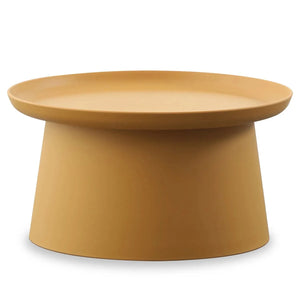
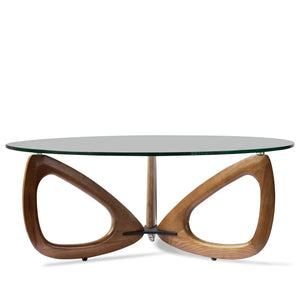
Start with strategic coffee table selection. Avoid large rectangular tables that fight against the sectional's curve—they create visual discord and waste the natural flow you've established. Instead, opt for organic shapes: oval, round, or kidney-shaped tables that echo the curved form. Alternatively, consider using multiple smaller tables (nesting tables or a cluster of varied-height accent tables) that can be rearranged as needed and don't create a visual barrier across the seating area.
Layer textures and patterns to add depth without clutter. Because odd-shaped rooms already have visual complexity from their irregular architecture, keep your styling relatively streamlined. Choose 3-4 coordinating throw pillows in complementary colors rather than a chaotic mix of 10 different patterns. A single, high-quality throw draped over one end of the sectional adds warmth and texture without overwhelming the space.
Use the negative space behind and around the sectional intentionally. If floating the sectional creates a gap between it and the wall, place a narrow console table in that space for additional storage and display. Add a statement table lamp or decorative objects that can be enjoyed from both the seating area and other parts of the room. This transforms potentially wasted space into functional storage while maintaining the important clearance around the sectional.
Define the seating zone with an appropriately sized area rug. The rug should be large enough that at least the front legs of the sectional rest on it, creating visual cohesion. In odd-shaped rooms, a round or oval rug often complements curved sectionals better than rectangular options, reinforcing the organic geometry. Ensure the rug extends at least 30-40cm beyond the coffee table on all sides to properly anchor the furniture grouping.
Address lighting from multiple sources to enhance the room's functionality across different times of day and activities. Combine ambient lighting (ceiling fixtures), task lighting (reading lamps on side tables), and accent lighting (wall sconces or picture lights) to create flexibility. In rooms with awkward angles that create shadowy corners, strategic lighting placement can minimize the visual impact of these irregularities.
Material and Fabric Considerations
The upholstery material you select for your curved sectional affects both its visual weight and its practical maintenance in Singapore's tropical climate. Making the right choice ensures your investment remains beautiful and functional for years.
Fabric upholstery offers the widest range of colors and textures, allowing precise coordination with your existing décor. Performance fabrics with stain-resistant treatments work particularly well for families with children or pets. In Singapore's humid environment, choose fabrics with some synthetic content (polyester or nylon blends) that resist moisture absorption better than pure natural fibers. Linen and cotton blends provide a casual, relaxed aesthetic but require more maintenance to prevent mildew in humid conditions.
Genuine leather offers durability and develops a rich patina over time, though it requires regular conditioning in tropical climates to prevent drying and cracking. Leather's smooth surface makes it easy to clean and maintain, ideal for high-traffic households. However, it can feel warm against skin in Singapore's heat unless you maintain strong air conditioning. Consider leather for its longevity and sophisticated appearance if you're willing to invest in proper maintenance.
Microfiber leather provides a practical middle ground, offering leather's easy-clean surface and sophisticated look with better breathability and lower maintenance requirements. This material resists humidity well and doesn't require the same level of conditioning as genuine leather, making it particularly suitable for Singapore homes. The wide range of available colors and finishes allows you to achieve various aesthetic goals while maintaining practicality.
Color choice impacts perceived space. In odd-shaped rooms where you're working to create visual harmony, lighter neutrals (cream, light gray, beige) make furniture feel less massive and help smaller spaces appear larger. These shades also reflect more light, which can be valuable in rooms where awkward angles create shadowy areas. Darker colors (charcoal, navy, chocolate) create dramatic impact and hide wear better but can make furniture appear heavier—a consideration in compact spaces.
For rooms with challenging proportions, consider medium-tone upholstery that provides enough contrast to define the seating zone without creating stark divisions that emphasize the room's irregularities. Textured fabrics in solid colors offer visual interest without the pattern complexity that might clash with already-complex architectural elements.
Making the Most of Your Odd-Shaped Room
Odd-shaped rooms present design challenges, but with the right approach, they also offer opportunities to create truly unique, personalized spaces. A well-chosen curved sectional transforms problematic layouts into distinctive living areas that feel intentional and thoughtfully designed.
The key to success lies in embracing your room's quirks rather than fighting them. Use your curved sectional to establish clear zones and comfortable seating while working with—not against—the architectural irregularities. Whether you're dealing with narrow dimensions, awkward angles, undefined open spaces, or prominent features like bay windows, the organic flow of a curved sectional creates harmony where rectangular furniture creates conflict.
Remember that layout flexibility is valuable. Start with the positioning strategies outlined in this guide, but don't be afraid to experiment. Live with an arrangement for a week or two before making final decisions about side tables, lighting, and accessories. How you actually use the space will reveal refinements that pure planning can't anticipate.
Consider your odd-shaped room as a canvas for creative problem-solving rather than a limitation. The same irregular proportions that make furniture placement challenging also give your space character and distinction that cookie-cutter rectangular rooms lack. A curved sectional that perfectly addresses your unique spatial challenges becomes not just functional furniture but a design statement that celebrates your home's individuality.
As you evaluate options, focus on quality construction that will provide lasting comfort and durability. Examine frame materials (hardwood frames offer superior longevity), cushion construction (high-density foam maintains shape better than standard foam), and upholstery attachment methods. A curved sectional represents a significant investment, and choosing quality craftsmanship ensures it remains a treasured piece through many years of daily use.
Odd-shaped rooms don't have to mean compromised comfort or awkward furniture arrangements. With a curved sectional sofa chosen and positioned strategically, even the most challenging spaces transform into functional, stylish living areas that work with your lifestyle.
By understanding your specific spatial challenges—whether narrow dimensions, angular walls, undefined open concepts, or prominent architectural features—you can select a curved sectional with the right radius, depth, and scale to solve your unique puzzle. Thoughtful styling with complementary furniture, appropriate rugs, and strategic lighting completes the transformation, creating a cohesive space that feels intentionally designed rather than awkwardly furnished.
The beauty of curved sectionals lies in their versatility. They soften harsh angles, define zones without creating barriers, maximize seating capacity, and introduce an element of sophistication that elevates any room. For Singapore homeowners working with compact HDB flats, uniquely designed condos, or renovated spaces with unconventional layouts, these pieces offer solutions that standard furniture simply cannot provide.
Your odd-shaped room is waiting to reach its full potential. With the right curved sectional and the layout strategies you've learned here, you're ready to create a living space that's as functional as it is beautiful.
Ready to Transform Your Odd-Shaped Room?
Discover our curated collection of sectional sofas designed to solve your unique spatial challenges. From compact curved designs perfect for Singapore homes to luxurious statement pieces, find the perfect sectional that combines designer aesthetics with honest, accessible pricing.
Explore Loft Home's Sectional Sofa CollectionVisit our showroom at Gambas Crescent or shop online with confidence—30-day no-reason returns, professional delivery, and quality guaranteed.


Leave a comment