














































































Dining Table Materials Compared: Wood, Marble, Glass and Sintered Stone
Summarize with AI
Get a quick summary of this article using your preferred AI assistant.


A dining table can look perfect online but still be wrong for the way you use your home.
A marble top may give you the stone look you love but require more care. A glass table can make a small dining area feel visually lighter, yet fingerprints become more noticeable. Wood feels warm and natural, while sintered stone is often chosen by homeowners who want a lower-maintenance tabletop for everyday meals.
For Singapore homes, the best choice also depends on dining space, family size, cleaning habits and whether the table is used only for meals or also for homework, working from home and entertaining.
This guide compares the four materials simply so you can decide which one fits your daily life.

Quick Answer: Which Dining Table Material Is Best?
There is no single best dining table material for every home.
- Wood: best if you want warmth, natural character and a timeless look.
- Marble: best if natural stone appearance and unique veining matter most.
- Glass: best if you want the dining area to look visually lighter.
- Sintered stone: best if easy everyday maintenance and resistance to common dining spills are priorities.
For many busy households, the decision comes down to whether you value natural character or easier maintenance.
Wood vs Marble vs Glass vs Sintered Stone
| Material | Main Advantage | Things to Consider | Good For |
|---|---|---|---|
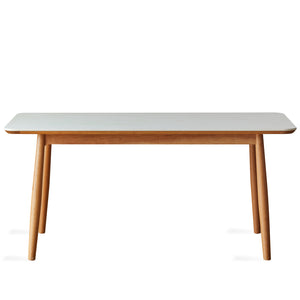
| Wood | Warm, natural appearance | Can mark, scratch or react to moisture depending on wood and finish | Family dining and warm interiors |
| Marble | Natural veining and premium stone look | Heavy and generally requires more care around spills and staining | Statement dining spaces |
| Glass | Keeps the room visually open | Fingerprints and smudges are more visible | Smaller or visually busy dining areas |
| Sintered Stone | Low liquid absorption and easy daily cleaning | Stone-like surface can feel harder and heavier than wood | Busy households and everyday dining |
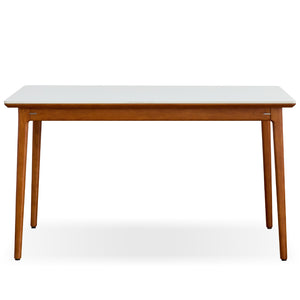
When browsing a dining table in Singapore, compare the tabletop material separately from the legs or base. A table may combine a wood frame, metal legs and a stone top.

When Should You Choose a Wood Dining Table?
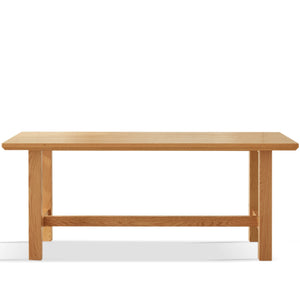
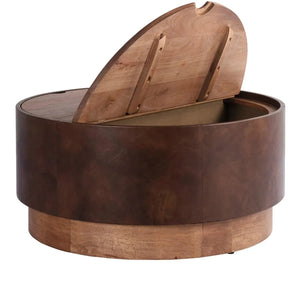
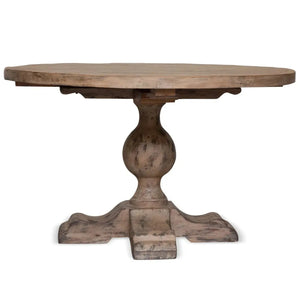
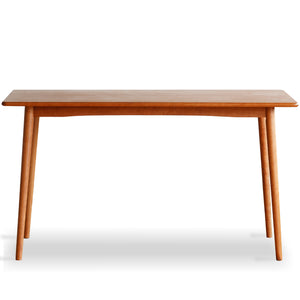
Choose wood when you want a warmer, softer-looking dining space and enjoy natural grain and variation.
Why People Choose Wood
- Natural texture and grain
- Works with Scandinavian, Japandi, rustic and vintage interiors
- Available in light and dark finishes
- Pairs easily with many dining chair styles
A wooden dining table can also age more naturally than a highly polished surface, depending on its construction and finish.
Solid Wood vs Veneer
Do not assume every wood-look dining table is solid wood.
Solid wood uses natural timber through the relevant component. Grain, knots and colour variation are normal characteristics.
Wood veneer uses a thin layer of real wood over a supporting core. It can provide a natural wood appearance while using less solid timber.
MDF is an engineered fibreboard rather than solid timber. It may be used as a structural or supporting material depending on the furniture design.
Always check the material specification instead of judging from photographs alone.
Is Solid Wood Always the Most Durable?
Not automatically. Durability depends on the wood species, construction, joinery, tabletop thickness, finish and how the table is used.
Even a sturdy solid wood table should be protected from prolonged moisture, excessive heat and unnecessary impact.

When Should You Choose a Marble Dining Table?
Choose marble when the natural stone appearance is one of your main priorities.
Every natural marble surface can have different veins, patterns and colour variation, so the table becomes more of a statement piece.
Advantages of Marble
- Natural stone appearance
- Unique veining
- Works well in modern and more luxurious interiors
- Feels substantial and visually strong
What Should You Know Before Buying?
Natural marble is porous compared with many engineered surfaces. Spills should therefore be cleaned promptly, and maintenance requirements depend on the specific stone and finish.
Marble is also heavy. For a larger marble dining table set, check your delivery route carefully, including the lift, corridor, doorway and any turns leading into the dining room.
Natural Marble vs Marble-Look Surface
Check the actual material description carefully.
A tabletop with marble-style veining may be natural marble, sintered stone, porcelain or another engineered material. Similar appearance does not mean identical performance or maintenance.

When Should You Choose a Glass Dining Table?
Glass is useful when you want the table to occupy less visual space.
Because you can see through the tabletop, a glass dining table can help chairs, flooring and surrounding furniture remain visible instead of creating one large solid block in the room.
Good for Compact Dining Areas
This can be helpful in smaller apartments or HDB dining spaces where the living and dining areas share one open layout.
Easy to See When It Needs Cleaning
A smooth glass surface is straightforward to wipe, but fingerprints, water marks and dust tend to be more visible than on patterned stone or wood.
Check the Glass Specification
Look at the individual product details for glass type, thickness and construction rather than assuming all glass tabletops perform the same way.
Also consider whether the exposed edge suits a household with young children and how close the table sits to the main walkway.

When Should You Choose a Sintered Stone Dining Table?
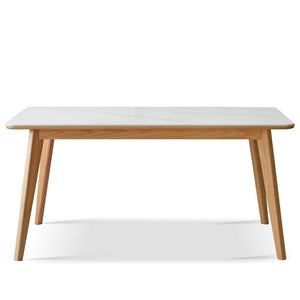
Sintered stone is a strong choice for homeowners who want a stone appearance with relatively simple everyday maintenance.
The material is manufactured from mineral-based materials under high heat and pressure. Depending on the exact slab and finish, it offers low liquid absorption and strong resistance to common dining-table wear.
Loft Home's current sintered stone dining collection includes regular, round, rectangular and extendable designs. :contentReference[oaicite:1]{index=1}
Why It Works for Everyday Dining
- Low liquid absorption
- Easy to wipe after meals
- Available in different stone-look patterns
- Works well with wood or metal bases
- Suitable for regular family use
You can compare different sintered stone dining tables if maintenance is one of your main buying concerns.
Sintered Stone vs Porcelain Tabletop
The terms are sometimes used loosely in furniture shopping, but they should not automatically be treated as identical materials.
Both can be mineral-based fired surfaces, but composition, manufacturing process, thickness and performance can differ between products.
If you are considering a porcelain dining table, check the manufacturer's exact tabletop specification instead of assuming it has the same properties as every sintered stone table.
Match the Material to Your Room and Table Size
Material matters, but a dining table with the wrong proportions will still be uncomfortable.
Small Dining Area
Consider a visually lighter table or an extendable design instead of buying a large table for occasional guests.
Useful OptionsGlass, slim wood tables or compact extendable tables.
Family Dining Area
Choose a surface that matches how often the table is used for meals, homework and other daily activities.
Useful OptionsWood or sintered stone depending on your maintenance preference.
Large Dining Room
A larger statement table can work when there is enough room for chairs and circulation.
Check FirstMeasure the full table, chairs and surrounding walkway.
Balcony Dining
Do not use an indoor dining table outdoors simply because it fits the space.
Check FirstConfirm that the materials and finish are rated for outdoor conditions.
What About a 2.4 m Dining Table?
A 2.4 m dining table gives you substantial seating and serving space, but the table itself is only part of the measurement.
You also need enough room to pull out chairs and walk behind seated guests.
For large tables, delivery access becomes especially important. Check your lift dimensions, corridor turns, entrance and dining-room doorway before ordering.
Does Colour Change the Material Choice?
No. A black dining table describes the finish or colour rather than the underlying material.
A black table could be wood, glass, sintered stone, marble-look material or metal. Always check both colour and construction separately.

What About Extendable Dining Tables?
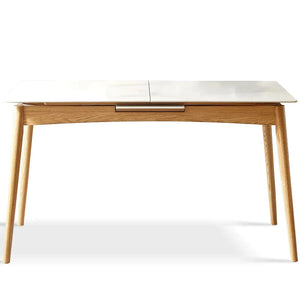
An extendable dining table is useful when your everyday household is smaller than the group you occasionally host.
Instead of keeping a large table in the room every day, you can use the smaller configuration for normal meals and extend it when family or friends visit.
Loft Home currently carries extendable dining tables in wood, sintered stone and mixed-material designs. :contentReference[oaicite:2]{index=2}
Explore extendable dining tables if your dining area needs to switch between everyday meals and larger gatherings.
Extendable vs Retractable Dining Table
These terms are sometimes used for similar space-saving concepts, but the mechanism can differ.
Some tables use:
- Sliding extensions
- Fold-out leaves
- Rotating extensions
- Hidden panels
Check how the individual table opens and where the extra tabletop sections go before buying.
Measure the Table Fully Extended
This is the important part.
A compact table may fit perfectly when closed but become too close to a wall, cabinet or kitchen walkway after extension.
Measure both configurations before ordering.
Simple Dining Table Buying Checklist
Before Buying Your Dining Table
Measure the dining area before choosing the table size.
Decide how many people use the table every day.
Think about meals, homework, work and entertaining.
Choose the material based on maintenance as well as appearance.
Check whether the tabletop is solid wood, veneer, marble, glass or engineered stone.
Measure an expandable table in both closed and open positions.
Check chair clearance and walking space around the table.
Measure lifts, corridors and doorways for delivery.
Common Material Mistakes
Choosing only by appearance: A tabletop that looks beautiful may require more maintenance than suits your household.
Assuming every stone-look table is marble: Check whether it is natural marble, sintered stone, porcelain or another engineered material.
Assuming all wood tables are solid wood: Check the material specification for solid timber, veneer and engineered components.
Buying a glass table without considering cleaning: Fingerprints and smudges may be more noticeable.
Buying a large table for occasional guests: An expandable dining table may use your everyday floor space more efficiently.
Ignoring the table base: Leg position affects where chairs fit even when the tabletop is large enough.
Using indoor furniture on a balcony: Always check whether the product is designed for outdoor exposure.
Forgetting delivery access: Marble, stone and large dining tables can be difficult to man oeuvre through narrow lifts and corridors.
Final Thoughts
The best dining table material depends on how you actually use the table.
Choose wood for warmth and natural character. Choose marble when unique natural stone is the priority. Choose glass when you want a lighter visual effect. Choose sintered stone when easy everyday maintenance is especially important.
Then look beyond the tabletop.
Check the overall size, chair position, extension mechanism, table base, delivery access and the amount of maintenance you are comfortable with.
A material that suits your lifestyle will usually matter more in the long run than choosing whichever surface happens to be trending.
Explore Loft Home's dining tables in Singapore to compare different materials, shapes, sizes and extendable designs.
Frequently Asked Questions
Simple answers to common questions about dining table materials.
What is the best material for a dining table?
There is no single best material. Wood is good for natural warmth, marble for natural stone character, glass for a lighter visual look, and sintered stone for easier everyday maintenance. Choose based on how you use and clean the table.
What is the most durable dining table material?
Durability depends on the exact material, construction and finish. Sintered stone is often chosen for resistance to common scratches, stains and heat, while a well-built wood table can also last for many years with suitable care.
Which wood is best for a dining table?
There is no single best species for every buyer. Oak, walnut, ash and other furniture woods have different grain, hardness, colour and price. Check the actual wood species, construction and finish rather than choosing by the word "wood" alone.
Is marble or sintered stone better for a dining table?
Choose marble if you prefer natural stone and unique veining. Choose sintered stone if lower liquid absorption and easier everyday maintenance are more important. They can look similar but are different materials.
Is glass good for a dining table?
Yes, especially when you want a dining area to feel visually open. Glass is easy to wipe, although fingerprints, smudges and dust are usually more visible than on wood or patterned stone.
How can I tell if a dining table is solid wood or MDF?
Check the product material specification rather than relying on appearance. Solid wood uses natural timber, while MDF is an engineered fibreboard. Some tables may also combine veneer, solid wood and engineered components.
What should I look for when buying a dining table?
Check the table size, seating capacity, tabletop material, base and leg position, cleaning requirements, chair clearance, delivery access and how the table will be used every day.
Finding the Right Dining Table Material?
Explore Loft Home dining tables and compare wood, glass, stone and mixed-material designs in different sizes, shapes and extendable options.
Explore Dining Tables




Leave a comment