















































































Extendable Kitchen Islands vs Drop-Leaf Carts: Which Space-Saving Solution Is Right For You?
Table Of Contents
- Introduction
- Understanding Extendable Kitchen Islands
- Exploring Drop-Leaf Carts
- Making the Right Choice
- Styling and Accessorizing
- Maintenance Tips
- Conclusion
In Singapore's compact urban homes, finding furniture that maximizes functionality without sacrificing style is essential. Two popular space-saving solutions for kitchens are extendable kitchen islands and drop-leaf carts. While both offer versatility for food preparation, dining, and storage, they differ significantly in design, functionality, and best use cases.
Whether you're renovating your kitchen or simply looking to add more workspace, understanding the differences between these two options can help you make an informed decision that suits your lifestyle, space constraints, and design preferences. This comprehensive guide explores the features, benefits, and limitations of both extendable kitchen islands and drop-leaf carts, helping you determine which solution is the perfect fit for your Singapore home.
Understanding Extendable Kitchen Islands
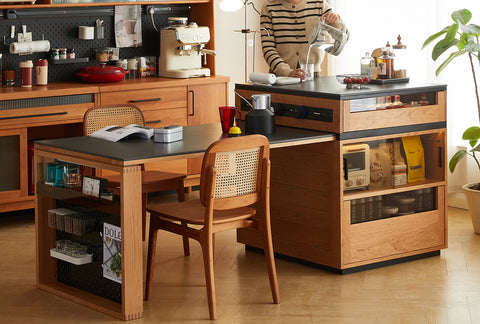
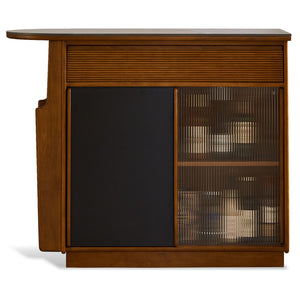
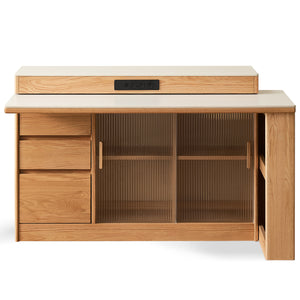
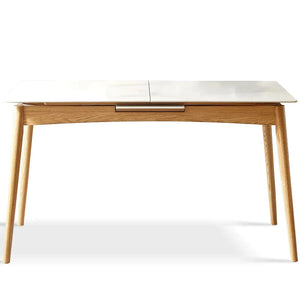
Extendable kitchen islands represent the perfect marriage of form and function, offering homeowners the ability to transform their kitchen workspace according to their changing needs. Unlike traditional fixed islands, these innovative pieces feature adjustable components that can be expanded when needed and compacted when space is at a premium.
Key Features
Extendable kitchen islands come with various expansion mechanisms. Some feature pull-out leaves or panels that extend the workspace horizontally. Others include fold-up surfaces that can be raised or lowered as needed. The most advanced models offer multi-directional expansion capabilities, allowing for customization in multiple dimensions.
Most extendable islands incorporate substantial storage solutions, including drawers, cabinets, and shelving. This functional aspect makes them particularly valuable in Singapore homes where storage space is often limited. Many models also feature built-in conveniences like towel racks, spice shelves, or wine storage, maximizing their utility in compact kitchens.
Popular Materials
The construction materials of extendable kitchen islands significantly impact both their appearance and durability. High-quality wooden islands, crafted from hardwoods like oak, maple, or walnut, offer timeless appeal and exceptional durability. These natural materials bring warmth and character to modern kitchens while promising years of reliable service.
For contemporary kitchens, islands with stainless steel or engineered stone countertops paired with painted wood or metal bases offer sleek, easy-to-clean surfaces. These materials stand up well to heavy use while complementing modern design aesthetics. Hybrid material islands, combining wood structures with marble or quartz countertops, deliver a perfect balance of warmth and practicality that works beautifully in transitional kitchen designs.
Design Styles
Contemporary extendable islands feature clean lines, minimal ornamentation, and often incorporate mixed materials like glass, metal, and engineered surfaces. Their streamlined appearance works beautifully in modern Singapore apartments, creating a sophisticated focal point without overwhelming the space.
Traditional designs showcase detailed woodwork, decorative moldings, and classic proportions. These islands bring a sense of warmth and familiarity to kitchen spaces, often serving as family gathering points. For homeowners seeking balance between modern functionality and traditional charm, transitional extendable islands blend elements from both design philosophies, offering versatile pieces that can complement various interior styles.
Benefits
The primary advantage of extendable kitchen islands is their adaptability to changing needs. For daily meal preparation, they provide a compact workspace that doesn't overwhelm the kitchen. When entertaining guests or preparing elaborate meals, the extended configuration offers generous surface area without requiring permanent dedication of floor space.
These islands create multi-functional zones within the kitchen, serving variously as prep stations, dining areas, work desks, or even casual bars. This versatility is particularly valuable in Singapore's compact homes, where spaces often need to serve multiple purposes. Additionally, a well-designed extendable island can significantly increase the value of your property, representing a smart investment in both functionality and aesthetics.
Limitations
Despite their advantages, extendable kitchen islands have some considerations to keep in mind. Even in their compact form, these islands require a minimum amount of permanent floor space, making them less suitable for very small kitchens where every square foot matters. The extension mechanisms, while engineered for durability, represent additional components that could potentially require maintenance over time.
Quality extendable islands often command premium prices, reflecting their complex construction and versatile functionality. This higher investment might be prohibitive for some homeowners, particularly those in temporary housing situations. Additionally, some models may have weight limitations on their extendable portions, restricting the placement of heavy appliances or equipment on these surfaces.
Exploring Drop-Leaf Carts
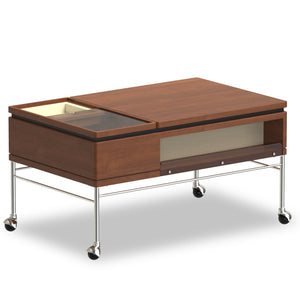
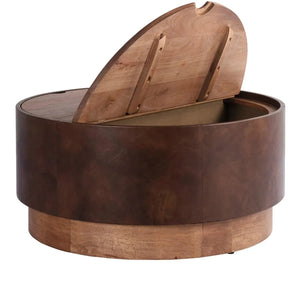
Drop-leaf kitchen carts offer exceptional flexibility for kitchens where space efficiency is paramount. These mobile workstations feature hinged side panels (the "leaves") that can be raised to create additional workspace or lowered when a more compact profile is needed. Their portability and adjustable nature make them highly adaptable solutions for Singapore's urban homes.
Defining Characteristics
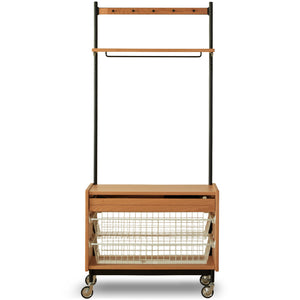
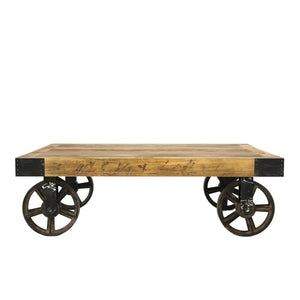
The most distinctive feature of drop-leaf carts is their mobility. Mounted on wheels (typically with locking mechanisms), these carts can be positioned wherever they're needed most, then tucked away when not in use. This flexibility allows homeowners to reconfigure their kitchen space on demand, adapting to changing requirements throughout the day.
Drop-leaf designs vary in configuration, with single-leaf models featuring one extendable side and double-leaf versions offering expansion on both sides. The hinged leaves are supported by brackets, swinging arms, or gate-leg mechanisms that provide stability when extended. Most carts also incorporate strategic storage elements like towel bars, shelving, drawers, or baskets, maximizing their utility despite their compact footprint.
Material Options
Wood remains the most popular material for drop-leaf carts, with solid hardwoods like maple, oak, and beech offering excellent durability and classic appeal. These natural materials develop character over time, becoming cherished kitchen companions. For more budget-conscious options, engineered woods with laminate or veneer finishes provide good performance at more accessible price points.
Modern kitchens often favor metal-framed carts with stainless steel, chrome, or powder-coated steel structures paired with wood or composite tops. These combinations offer excellent durability and easy maintenance while complementing contemporary design schemes. Some premium models feature butcher block tops, providing built-in cutting surfaces that are both practical and visually appealing.
Style Variations
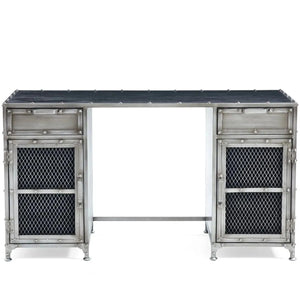
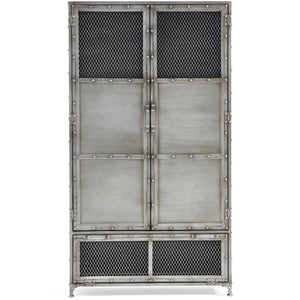
The visual versatility of drop-leaf carts allows them to complement virtually any kitchen design scheme. Industrial-style carts typically feature metal frames, mesh storage elements, and utilitarian finishes that emphasize function and raw materials. These pieces work beautifully in loft-style apartments or kitchens with exposed structural elements.
Cottage or farmhouse-inspired carts showcase painted finishes, beadboard details, and decorative hardware that create a warm, inviting presence. These charming pieces bring personality and character to contemporary kitchens. For design-conscious homeowners, minimalist drop-leaf carts offer clean lines, hidden storage, and monochromatic color schemes that integrate seamlessly into modern interiors without visual distraction.
Advantages
The most significant advantage of drop-leaf carts is their unmatched flexibility. Their mobility allows them to serve multiple functions throughout the home—from kitchen workspace to dining table, bar cart, or even temporary desk. This versatility makes them ideal for small apartments or homes with limited dedicated kitchen space, situations common in Singapore's urban landscape.
Drop-leaf carts typically represent a more affordable entry point than permanent kitchen islands, making them accessible options for renters or homeowners on tighter budgets. Their compact design when folded means they can fit in spaces where permanent islands would be impractical, such as galley kitchens or studio apartments. Additionally, they require no installation or permanent modification to your home, making them perfect for rental properties or those planning future renovations.
Drawbacks
While versatile, drop-leaf carts do have limitations to consider. Their mobile nature means they typically offer less stability than permanent islands, potentially making them less suitable for heavy-duty tasks like dough kneading or vigorous chopping. Even with locking wheels, they may not provide the rock-solid stability of fixed furniture.
The compact dimensions of most carts translate to limited storage capacity compared to larger kitchen islands. This constraint may require supplementary storage solutions for kitchen essentials. Additionally, the weight capacity of extended leaves is generally lower than that of permanent surfaces, requiring mindfulness about what items are placed on these extensions. Some users also note that frequent raising and lowering of leaves can stress hinges over time, potentially requiring maintenance in heavily-used carts.
Making the Right Choice
Selecting between an extendable kitchen island and a drop-leaf cart ultimately depends on your specific circumstances, preferences, and needs. By carefully evaluating several key factors, you can determine which option will best serve your Singapore home.
Space Considerations
Begin by accurately measuring your available kitchen space, accounting for clearance areas needed for comfortable movement and safe operation of appliances. As a general guideline, extendable islands require a minimum permanent footprint of approximately 1.2m x 0.6m, plus additional clearance of at least 1m on all operational sides to accommodate both the island and its extensions when deployed.
For exceptionally compact kitchens with less than 1.8m of available width, a drop-leaf cart may be the only viable option, as it can be positioned strategically when needed and stored elsewhere when not in use. In open-concept homes where the kitchen flows into living spaces, extendable islands can serve as elegant room dividers while providing functionality for both areas. Consider not just current space constraints but also future plans—a kitchen renovation might create space for a permanent island, while a move to a larger home could allow you to upgrade from a cart to an island.
Usage Patterns
Your typical kitchen activities should heavily influence your decision. Households where cooking is a primary hobby or frequent entertaining is the norm will benefit from the substantial workspace and storage of an extendable island. These larger pieces accommodate multiple cooks working simultaneously and provide generous surface area for food preparation and serving.
Conversely, individuals who cook simple meals or primarily order food delivery might find a drop-leaf cart perfectly adequate for their occasional needs. For multi-purpose homes where the kitchen area might need to transform for different activities throughout the day, the mobility of a cart offers valuable flexibility. Homes with elderly members might also prefer carts that can be positioned precisely where needed to minimize movement during food preparation.
Budget Factors
Financial considerations naturally play a significant role in your decision. Quality extendable kitchen islands typically represent a higher investment, with prices ranging from $800 to $3,000 or more depending on materials, construction quality, features, and size. This higher price point reflects their substantial construction, complex mechanisms, and larger material requirements.
Drop-leaf carts offer more accessible entry points, with good quality options available from $300 to $800. This price difference makes carts attractive options for those with limited renovation budgets or those in temporary housing situations. When evaluating costs, consider longevity as well—a well-constructed island may serve your kitchen for decades, potentially offering better long-term value despite higher initial costs. Some homeowners start with a quality cart and later transition to a permanent island as their circumstances and budgets evolve.
Design Integration
The aesthetic harmony between your chosen piece and your existing kitchen design contributes significantly to your satisfaction with the purchase. Extendable islands often serve as focal points within the kitchen, making their design impact more significant. Consider how the island's material, color, and style will complement your cabinetry, flooring, and overall design scheme.
Drop-leaf carts, while still visible elements, have a more temporary presence and can serve as accent pieces that introduce complementary or contrasting design elements. In newly developed homes with built-in features, permanent islands often achieve a more cohesive, architectural look that enhances the overall design value of the space. For rental properties where modifications are limited, a stylish cart can add personality without altering fixed elements. Consider consulting with a design professional to evaluate how each option might enhance your specific space.
Styling and Accessorizing
Regardless of whether you choose an extendable island or a drop-leaf cart, thoughtful styling can elevate its functionality and aesthetic contribution to your kitchen. Permanent islands benefit from carefully selected decorative elements like designer fruit bowls, potted herbs, or artisanal cutting boards that add personality without cluttering valuable work surfaces. Consider incorporating a statement pendant light or collection of hanging fixtures above the island to define the space visually and provide task lighting.
Drop-leaf carts can be transformed for different functions through strategic accessorizing. When serving as a prep station, organize essential tools in decorative containers that combine practicality with style. For entertaining purposes, add a tray with glassware, a compact ice bucket, and selected spirits to create an instant bar cart. When using the cart as additional dining space, incorporate placemats, coordinated napkins, and low profile centerpieces to create an inviting dining experience without overwhelming the compact surface.
Both islands and carts benefit from organizational accessories that maximize their utility. Consider adding under-counter hooks for kitchen towels, magnetic strips for knife storage, or specialized inserts for drawers to keep contents neatly arranged. These thoughtful additions enhance functionality while maintaining visual order, contributing to both the practical value and aesthetic appeal of your chosen piece.
Maintenance Tips
Proper care ensures your kitchen island or cart remains both beautiful and functional for years to come. For wooden components, regular dusting and cleaning with appropriate wood care products helps maintain their appearance and integrity. Avoid placing hot cookware directly on wooden surfaces, and promptly address any liquid spills to prevent staining or warping. Periodically apply food-safe mineral oil or beeswax to butcher block surfaces to maintain their moisture resistance and visual appeal.
For extendable mechanisms, regular inspection and lubrication of moving parts prevents stiffness and ensures smooth operation. Follow manufacturer guidelines for specific care requirements, particularly for specialized surfaces like marble, granite, or engineered stone. For carts with wheels, periodic cleaning of the casters removes accumulated debris that might affect mobility, while checking and tightening hardware maintains structural integrity during movement.
Both islands and carts benefit from preventive maintenance and prompt attention to any damage. Address chips, scratches, or loose components quickly to prevent deterioration. With proper care, quality kitchen islands and carts develop character over time while maintaining their functionality, becoming cherished elements of your home's culinary space.
Conclusion
When comparing extendable kitchen islands and drop-leaf carts, there's no universal right answer—only the best solution for your particular needs. Extendable islands offer substantial workspace, significant storage, and a permanent presence that anchors your kitchen design. They represent an investment in both your property's functionality and value, ideal for homeowners committed to their space and passionate about cooking and entertaining.
Drop-leaf carts excel in flexibility, affordability, and adaptability to changing circumstances. Their mobile nature makes them perfect for compact Singapore apartments, rental properties, or situations where versatility takes precedence over permanence. Many homeowners find that these options aren't mutually exclusive—a thoughtfully selected cart can complement an existing island or serve as an interim solution while planning for a larger kitchen renovation.
Whichever option you choose, prioritize quality construction, materials appropriate to your lifestyle, and design elements that harmonize with your existing space. By balancing practical considerations with aesthetic preferences, you'll select a piece that enhances both your cooking experience and your home's overall design coherence.
Explore Our Kitchen Islands & Carts Collection
Ready to transform your kitchen with the perfect space-saving solution? Discover Loft Home's curated selection of premium kitchen islands and carts, crafted from quality materials and designed to enhance both functionality and beauty in your Singapore home.





Leave a comment