















































































How Much Space Should You Leave Around a Bed?
Summarize with AI
Get a quick summary of this article using your preferred AI assistant.


Sometimes, your favorite bed could be fit well in your bedroom, but you need to sacrifice some place for larger side table or dressing table. These issues always happen after a new bed placement: the walkway become narrow, your options for bedside furniture become limited, or the whole room starts to feel crowded.
This matters especially in HDB and condo bedrooms, our guide below are teaching homeowners to plan the place around your bed. Save your place for walkway, storage furniture placement and daily living habits.
Before you buy a bed online, measure the complete bed frame and the space around it, not just the mattress.
How Much Space Should You Leave Around a Bed?
As a practical starting point, try to leave around 600 to 750 mm on the sides of the bed that you use regularly and around 600 to 750 mm at the foot.
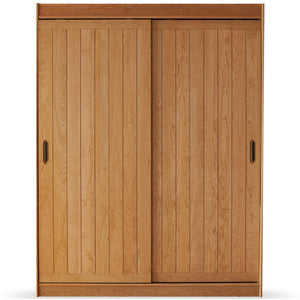
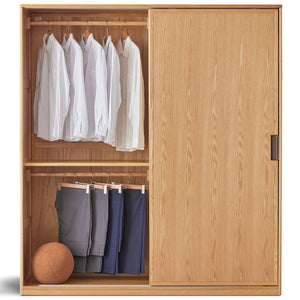
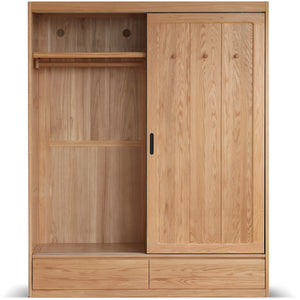
If one side is rarely used and in small bedroom, around 300 to 450 mm may be workable. If you plan to place a wardrobe in front of bed, aim for more space, generally around 750 to 900 mm, make sure the doors and drawers easy to open. Additional tips, you can buy sliding door wardrobe to save more place.
These are planning guides rather than strict rules. Your ideal clearance depends on the room shape, furniture, storage mechanism and how people move through the bedroom.
| Area | Practical Clearance | Why It Matters |
|---|---|---|
| Frequently Used Side | 600 to 750 mm | Walking, getting in and out of bed and changing sheets |
| Low Traffic Side | 300 to 450 mm | Can work when space is limited and regular access is not required |
| Foot of Bed | 600 to 750 mm | Comfortable circulation through the bedroom |
| In Front of Wardrobe | 750 to 900 mm | Allows room to stand and open doors or drawers |
| Main Route to Door | Around 750 mm or more | Keeps the main path through the bedroom easier to use |

Measure the Bed Frame, Not Just the Mattress
One of the easiest mistakes to make when shopping for a bed frame in Singapore is measuring only the mattress.
The mattress sits inside or on the frame. The actual furniture may be wider or longer because of:
- Headboard thickness
- Side rails
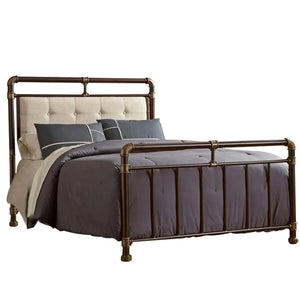
- Footboards
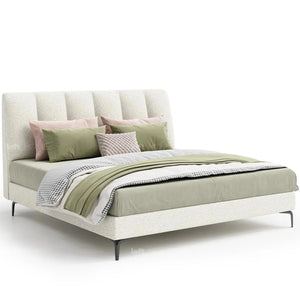
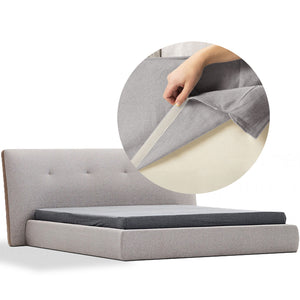
- Upholstered padding
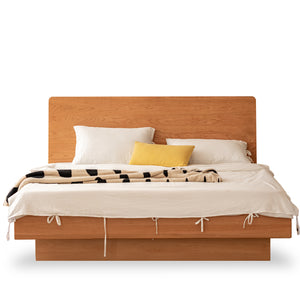
- Storage drawers
- Built-in shelves or bedside features
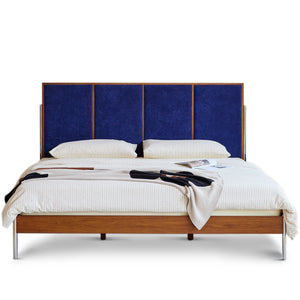
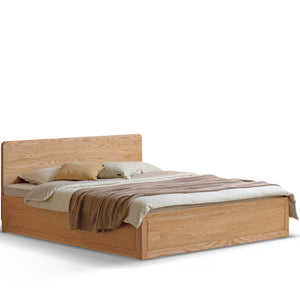
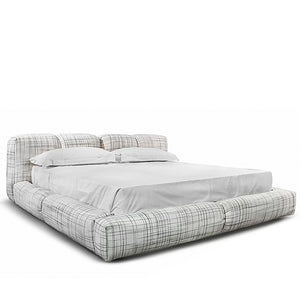
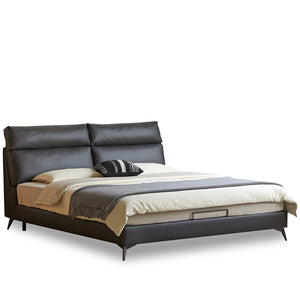
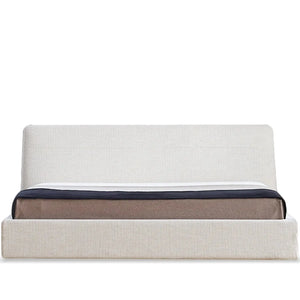
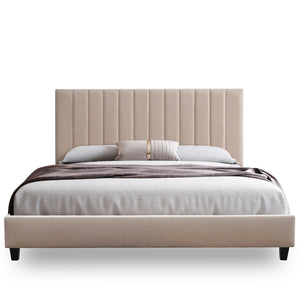
A slim wooden frame and a thick upholstered bed may support the same mattress size but occupy noticeably different amounts of floor space.
Check External Dimensions
Always use the product's complete external dimensions when planning your bedroom.
For example, if your mattress is 1500 mm wide but the complete frame is 1600 mm wide, calculate your remaining bedroom space using 1600 mm.
Do Not Forget the Mattress
The mattress still matters because the frame and mattress sizes need to match.
If you are comparing a bed frame with a BLUEBOX mattress, check the selected mattress dimensions and thickness against the exact frame variant before ordering.
Simple Bed Clearance Guide
The amount of space you need depends on what happens around each side of the bed.
Main Bedside
Allow enough room to get in and out comfortably and make the bed.
GuideAround 600 to 750 mm where possible.
Less Used Side
A tighter gap may work if that side is rarely used.
GuideAround 300 to 450 mm in a compact layout.
Foot of Bed
Leave enough space to walk past without constantly turning sideways.
GuideAround 600 to 750 mm where possible.
Wardrobe Zone
You need room for both the wardrobe opening and the person using it.
GuideAround 750 to 900 mm is more practical.

Check Wardrobes and Bedside Tables
Clearance around the bed cannot be planned separately from the rest of the bedroom.
Wardrobe at the Foot of the Bed
If your wardrobe is directly opposite the bed, measure from the end of the bed frame to the wardrobe front.
Then check how the wardrobe opens.
- Sliding wardrobe: does not project into the walkway when opened.
- Hinged wardrobe: needs additional door-opening space.
- Drawers: need enough space to extend plus room for you to stand in front.
A gap that feels comfortable for walking may become too tight once a wardrobe door is open.
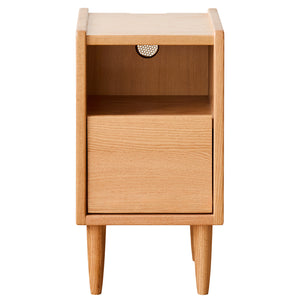
Bedside Tables Use Your Side Clearance
Do not calculate the bed clearance first and then add bedside tables afterwards.
Imagine a bedroom is 3000 mm wide and the external bed frame is 1600 mm wide.
You have 1400 mm left before adding anything else. If you add two 400 mm bedside tables, only 600 mm remains across both outer sides.
That is why a king bed plus two large bedside tables can make a room feel much tighter than the floor plan initially suggests.
In compact bedrooms, one bedside table, a narrower design or a wall-mounted shelf may be more practical.
Storage Beds Need Extra Planning
A storage bed can be useful in a smaller Singapore bedroom, but the storage mechanism changes how much free space you need.
Lift-Up Storage Bed
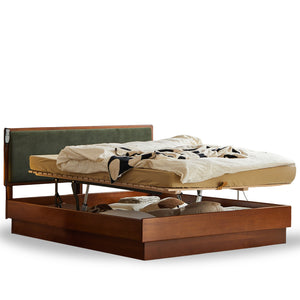
A lift-up bed opens upwards, so it does not require a drawer to extend into the side walkway.
This can work well when side space is limited. However, check:
- Overhead shelves
- Pendant lights
- Ceiling fans
- Mattress suitability
- Enough standing space to operate the mechanism comfortably
Drawer Storage Bed
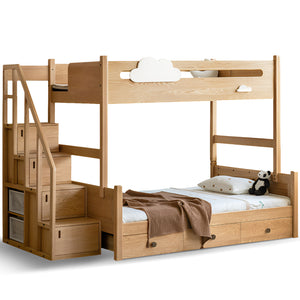
Drawers need clear space beside or at the foot of the bed.
If a drawer extends 500 mm, simply leaving a 500 mm gap is usually not enough. You also need somewhere to stand while opening and accessing it.
For a deeper comparison, read our storage bed size and bedroom clearance guide.
What If Your Bedroom Is Small?
If the room cannot provide generous clearance on every side, decide which areas matter most instead of forcing equal gaps around the bed.
Prioritise the Main Route
Keep the route from the bedroom door to the bed and wardrobe as open as possible.
Push One Side Closer to a Wall
For a single sleeper, placing one side closer to the wall can sometimes free more usable space elsewhere.
This is less convenient for two people sharing the bed because one person may need to climb across the mattress.
Choose a Smaller Bed Before Sacrificing the Whole Room
A king bed may technically fit, but a queen can sometimes create a much more practical bedroom once bedside tables, wardrobes and walking space are included.
Choose a Simpler Bed Frame
Large padded headboards, wide side rails and built-in shelving can increase the external footprint.
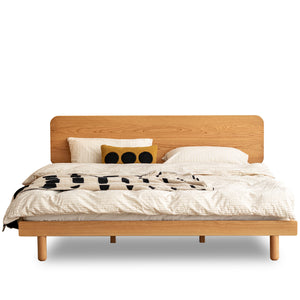
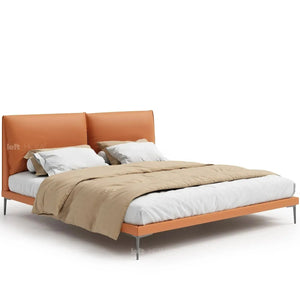
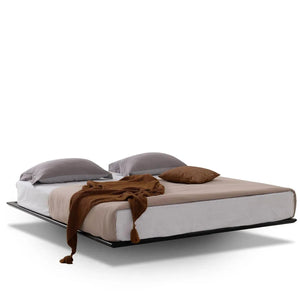
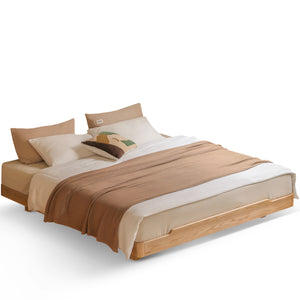
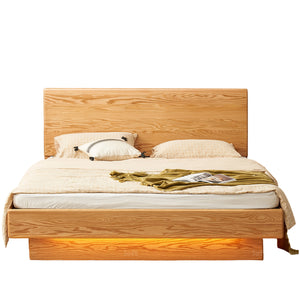
If space is tight, a slimmer platform or wooden bed frame may provide the mattress size you want with less furniture around it.
Think About Long-Term Daily Use
Do not choose a bedroom layout only because it looks good when everything is new.
Think about changing bedsheets, vacuuming, opening storage, reaching power points and getting ready in the morning. A little extra walking space often becomes more valuable than a slightly larger bed.
Bed Buying and Measuring Checklist
Before Ordering Your Bed
Measure the usable bedroom width and length.
Check the complete external bed frame dimensions.
Confirm the correct mattress dimensions.
Keep the main bedroom walkway clear.
Allow enough room for wardrobe doors and drawers.
Include bedside tables in your calculation.
Check storage drawer or lift-up opening space.
Measure the lift, corridor and doorway delivery route.
Try the Tape Test
Before placing an order, use masking tape to mark the complete external bed frame on your bedroom floor.
Then:
- Walk from the door to the bed
- Open your wardrobe
- Place your bedside table within the outline
- Check power points
- Imagine changing the bedsheets
- Test whether you can vacuum around the frame
This is a simple way to decide whether the bed merely fits or actually works in the room.
Online or Showroom?
If the dimensions are clear and you already know the style you want, it can be convenient to browse beds in Singapore online.
If you are unsure about headboard thickness, material, mattress feel or the visual size of the frame, seeing selected pieces in person can make the decision easier.
You can also visit Loft Home's furniture shop in Singapore to compare selected beds and mattresses in person before deciding.

Common Bed Layout Mistakes
Measuring only the mattress: The complete bed frame can be wider and longer.
Choosing the largest bed that fits: Fitting inside the room is not the same as leaving enough space to use the room comfortably.
Forgetting bedside tables: They reduce the available clearance beside the bed.
Ignoring wardrobe doors: A comfortable walkway may become blocked once the wardrobe opens.
Forgetting storage access: Drawer beds need more side clearance than lift-up designs.
Ignoring delivery access: Check the lift, corridor, entrance and bedroom doorway before ordering a large bed frame.
Choosing appearance before layout: Material and style matter, but the frame still needs to work with your bedroom every day.
Final Thoughts
For most bedrooms, aim for around 600 to 750 mm of comfortable walking space on the sides you use regularly and at the foot of the bed.
But there is no single number that works for every bedroom.
Check the external bed frame dimensions, wardrobe opening, bedside tables, storage mechanism and main walking route together. In a compact HDB or condo bedroom, protecting a comfortable walkway can be more useful than choosing the largest possible mattress.
When comparing a bed in Singapore, start with room measurements and function first. Then compare the material, style, comfort and budget once you know which bed size actually works.
Frequently Asked Questions
Simple answers to common questions about bed clearance and bedroom planning.
How much walking space should I leave beside a bed?
Around 600 to 750 mm is a useful target for a side you use regularly. A tighter 300 to 450 mm gap may work on a low-traffic side in a compact bedroom.
How much space should there be at the foot of a bed?
Around 600 to 750 mm is a practical target for comfortable movement. You may need more if a wardrobe or drawers are directly opposite the bed.
How much space should I leave between a bed and wardrobe?
Around 750 to 900 mm is useful where possible, especially for hinged doors or drawers. Always test the wardrobe in its fully open position.
Should I measure the mattress or the bed frame?
Use the complete external dimensions of the bed frame when planning the room. The headboard, side rails and upholstery can make the frame larger than the mattress.
Is a queen or king bed better for a small bedroom?
Choose the size that leaves enough room for walking, wardrobe access and bedside furniture. A queen may be more practical if a king makes the rest of the room difficult to use.
Ready to Find a Bed That Fits Your Bedroom?
Explore Loft Home bed frames in different sizes, materials and designs, and compare the complete dimensions before choosing the right fit for your Singapore home.
Explore Bed Frames






Leave a comment