















































































Japandi Curves: Round Coffee Tables that Save Space Without Sacrificing Style
Table Of Contents
- Introduction to Japandi Curves
- Why Round Coffee Tables Work in Small Spaces
- Key Features of Space-Saving Japandi Round Coffee Tables
- Top 5 Japandi Round Coffee Table Designs
- Styling Tips for Your Japandi Round Coffee Table
- How to Pair Your Round Coffee Table with Other Furniture
- Maintenance Tips for Japandi Coffee Tables
- Conclusion
In the ever-evolving world of interior design, some trends come and go, but others emerge as timeless approaches to creating beautiful, functional spaces. Enter Japandi style—a harmonious fusion of Japanese minimalism and Scandinavian functionality that has captured the hearts of design enthusiasts worldwide, particularly in space-conscious Singapore homes.
At the center of many living rooms sits the coffee table—a piece that must balance form and function, especially in compact spaces. This is where the magic of Japandi curves comes in: round coffee tables that save space without sacrificing style. These thoughtfully designed pieces offer a solution to the common challenge of furnishing small living areas while maintaining an elegant aesthetic.
In this comprehensive guide, we'll explore how round Japandi coffee tables can transform your living space, offering practical tips for selecting the perfect piece, styling ideas to complement your existing décor, and recommendations that marry space efficiency with the serene beauty that defines the Japandi aesthetic.
Japandi Curves: Space-Saving Round Coffee Tables
Where Japanese minimalism meets Scandinavian functionality
Top 5 Space-Saving Japandi Coffee Table Designs
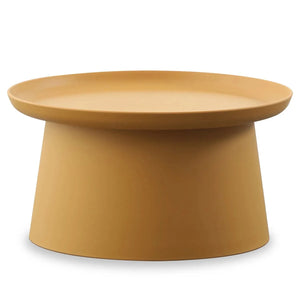
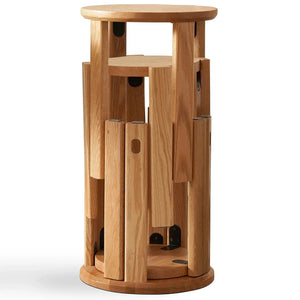
The Minimalist Drum
Perfect cylindrical shape with natural wood finish
The Two-Tier Wonder
Double the surface area within the same footprint
The Nested Trio
Three tables that stack together when not in use
Styling Your Japandi Coffee Table
Embrace Negative Space
Leave portions of your table empty. A thoughtfully arranged vignette on just part of your table creates more impact than scattered items.
Layer Natural Materials
Create depth through complementary natural materials. A wooden tray on a stone table creates subtle textural contrast.
Introduce Organic Elements
Add plants or dried botanicals. A small bonsai or a few stems in a minimalist vase connects indoor spaces to nature.
Material Care Guide
Wood
Dust regularly and apply wood oil every few months. Always use coasters for hot or wet items.
Stone
Seal stone surfaces every 6-12 months. Clean spills immediately with mild soap and avoid acidic cleaners.
Metal
Inspect joins periodically and wipe with appropriate cleaners to prevent tarnish or oxidation, especially in humid climates.
Perfect Balance of Form & Function
Round Japandi coffee tables exemplify the harmonious blend of beautiful design and practical functionality—proving you don't need to sacrifice style to maximize your space.
Discover our curated collection of space-saving Japandi furniture
Introduction to Japandi Curves
Japandi style represents the beautiful marriage of two distinct design philosophies: Japanese wabi-sabi—which embraces imperfection and natural beauty—and Scandinavian hygge—which celebrates comfort and contentment. The result is a design approach that values simplicity, natural materials, and functional beauty.
Within this aesthetic, curves play a particularly important role. Unlike the sharp angles often found in modern minimalist furniture, Japandi embraces soft, organic curves that echo shapes found in nature. These gentle contours create visual interest while maintaining the clean lines that are fundamental to both Japanese and Scandinavian design traditions.
Round coffee tables exemplify this principle perfectly. Their circular silhouettes introduce a sense of flow and harmony to living spaces, softening the overall look while serving as functional centerpieces. In Singapore homes, where space is often at a premium, these curved elements can make rooms feel more spacious and less rigid than their rectangular counterparts.
Why Round Coffee Tables Work in Small Spaces
The strategic advantage of round coffee tables in compact living areas can't be overstated. These circular designs offer several spatial benefits that make them ideal for smaller homes:
Improved Traffic Flow
Without sharp corners to navigate around, round coffee tables allow for smoother movement throughout the living area. This is particularly valuable in Singapore's apartment layouts, where living rooms often serve as thoroughfares to other areas of the home. The absence of corners means fewer hip bruises and more comfortable navigation, especially in tight spaces.
Visual Spaciousness
Round shapes take up less visual space than their rectangular counterparts. The curved perimeter creates an illusion of openness, making the surrounding area appear more spacious. This optical advantage is particularly valuable in compact living rooms where every visual cue that enhances spaciousness is worth considering.
Flexible Placement
Round tables can be positioned more flexibly within a room. They don't need to align with walls or other furniture pieces in the same way rectangular tables do. This adaptability makes them perfect for awkward spaces or rooms with non-standard layouts, giving homeowners greater freedom in furniture arrangement.
Social Enhancement
From a social perspective, round tables encourage more inclusive gatherings. Everyone seated around a circular table has equal access to the surface, making conversations and shared activities more fluid. This democratic quality makes round coffee tables particularly suited to homes where the living room serves as the primary social hub.
Key Features of Space-Saving Japandi Round Coffee Tables
Not all round coffee tables are created equal when it comes to space efficiency. True Japandi-inspired pieces incorporate specific design elements that maximize functionality while maintaining aesthetic harmony:
Integrated Storage Solutions
Many space-efficient Japandi coffee tables incorporate clever storage options without compromising their clean lines. Look for designs with discrete drawers, hidden compartments, or lower shelves that provide storage space without visual clutter. These features allow you to keep remote controls, magazines, and other living room essentials neatly tucked away while maintaining the table's minimalist appeal.
Lightweight Materials
Traditional Japanese design values lightness and mobility, qualities that translate beautifully to space-saving furniture. Japandi coffee tables often feature lightweight yet durable materials like white oak, bamboo, or ash wood. These materials allow for easy movement when needed—whether for cleaning underneath or reconfiguring your living space for different activities or gatherings.
Nesting Capabilities
Perhaps the ultimate space-saving feature, nested coffee tables provide adaptable surface area that can be expanded when needed and compacted when not in use. A set of two or three progressively smaller tables that tuck neatly under one another epitomizes functional Japandi design, offering flexibility without permanent spatial commitment—perfect for Singapore's compact homes.
Elevated Proportions
Many Japandi coffee tables feature slightly elevated heights and slimmer profiles than traditional coffee tables. This proportional adjustment creates more visual space beneath the table, contributing to an airier, less crowded feel. The negative space becomes as important as the table itself, embodying the Japanese concept of "ma"—the meaningful empty space that gives design elements room to breathe.
Top 5 Japandi Round Coffee Table Designs
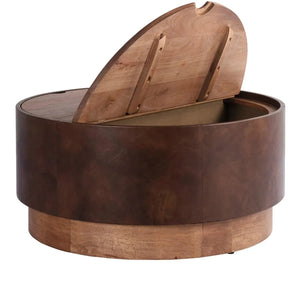
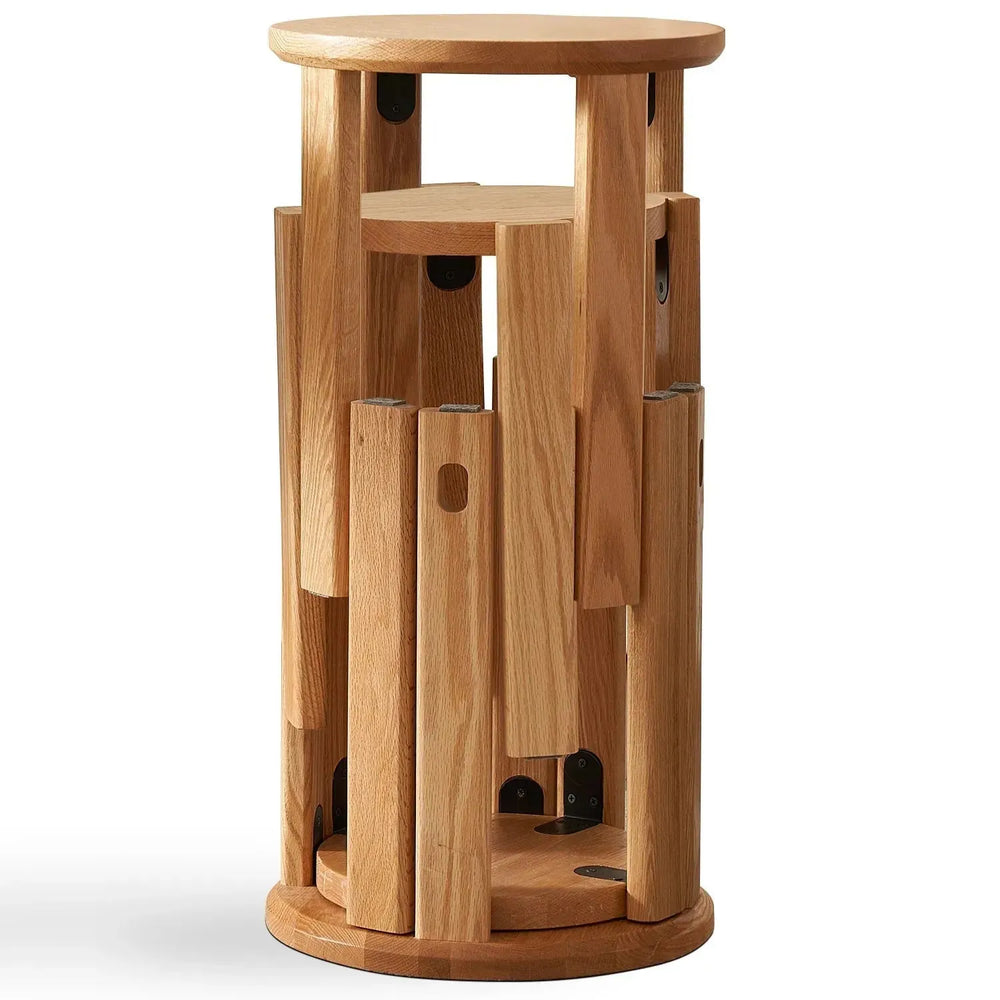
1. The Minimalist Drum
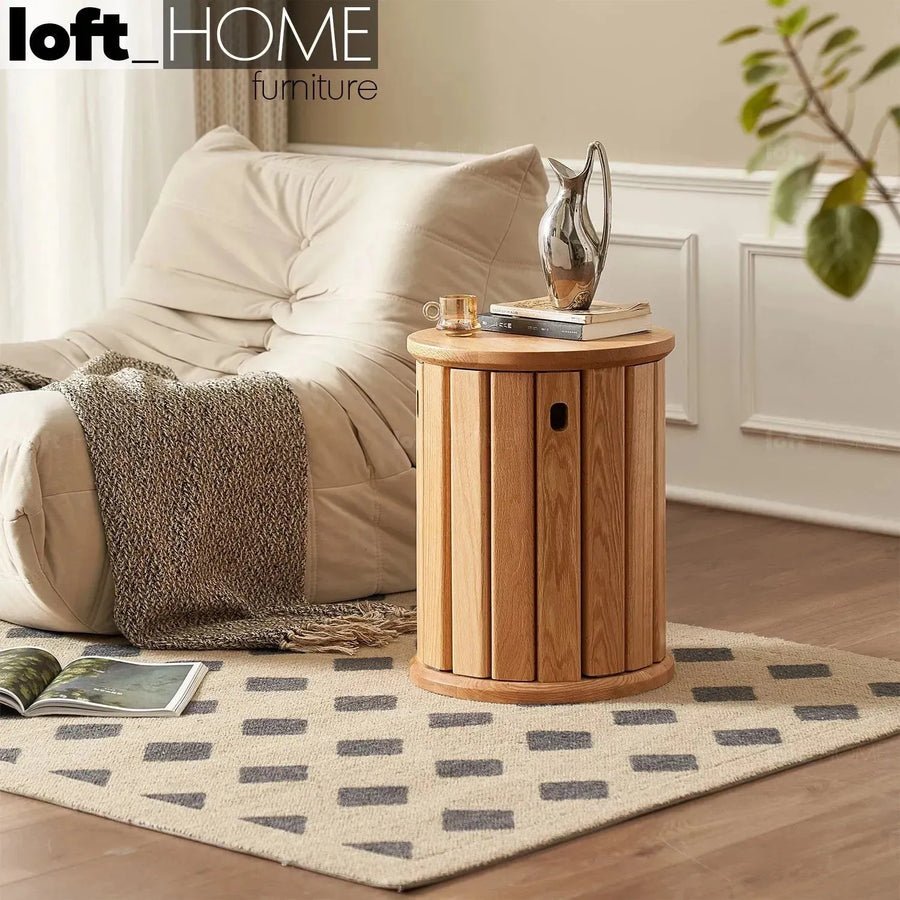
Characterized by its perfect cylindrical shape, the drum coffee table represents Japandi design at its most elemental. Typically crafted from solid wood with a natural finish, these pieces often feature subtle wood grain patterns that add visual interest without overwhelming the senses. What makes this design particularly space-efficient is its uninterrupted circular footprint, which occupies precisely the area needed without excess.
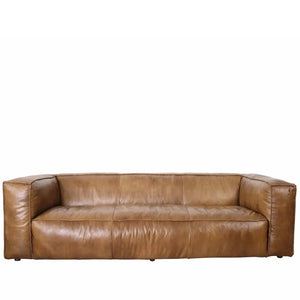
The drum design pairs beautifully with both fabric sofas and genuine leather sofas, offering a textural contrast that enhances the overall composition of your living space. Its substantial presence anchors the room while its curved form maintains visual lightness.
2. The Two-Tier Wonder
Two-tier round coffee tables exemplify functional Japandi design by providing twice the surface area within the same footprint. The upper level serves as your primary display and activity surface, while the lower tier offers convenient storage for books, magazines, or decorative items you want accessible but not always on display.
These tables often feature contrasting materials—perhaps a wood top with metal legs or a stone surface with a rattan shelf below—creating visual interest through material juxtaposition rather than ornate details. This dual-functionality makes them ideal companions to Scandinavian sofas or Japandi sofas, continuing the theme of beautiful utility throughout your living area.
3. The Nested Trio
Perhaps the ultimate space-saving solution, nested coffee tables consist of three matching tables in progressively smaller sizes that can be arranged together or separated as needed. When nested, they occupy minimal floor space; when deployed individually, they provide flexible surface areas throughout your living room.
The beauty of this arrangement lies in its adaptability. Hosting friends? Pull out all three tables to accommodate more drinks and snacks. Enjoying a quiet evening alone? Keep just the main table out and nest the others away. This versatility makes nested tables particularly valuable in multi-functional living spaces that must adapt to different scenarios.
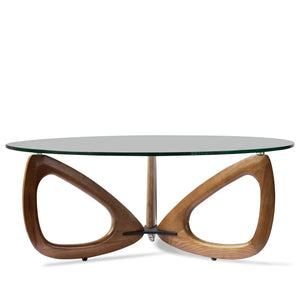
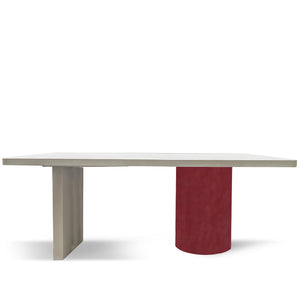
4. The Sculptural Statement
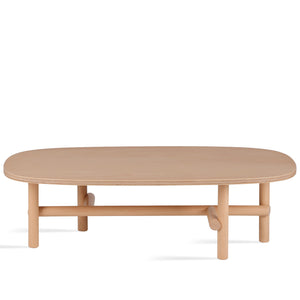
Some Japandi coffee tables elevate functionality to art through sculptural bases that create visual interest while maintaining clean lines. These pieces often feature asymmetrical supports or organic forms that reference natural elements like river stones or tree trunks.
Despite their artistic quality, these tables remain true to Japandi principles by avoiding excess ornamentation. Their beauty derives from thoughtful proportions and material quality rather than decorative elements. The sculptural base creates an engaging negative space beneath the tabletop, contributing to the sense of openness in the room while providing a subtle focal point that complements rather than competes with your minimalist sofas.
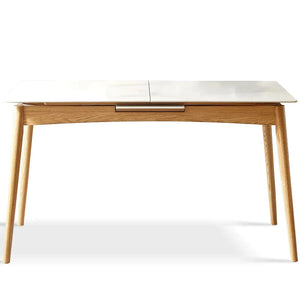
5. The Convertible Marvel
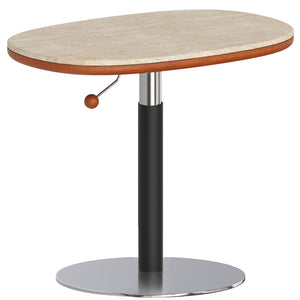
For the ultimate in space-saving ingenuity, convertible coffee tables offer transformative functionality. These ingenious pieces might adjust in height to serve alternatively as coffee tables or dining surfaces, or they might expand from compact circles to larger ovals when needed.
What distinguishes Japandi convertible tables from other transforming furniture is their commitment to elegant simplicity. The conversion mechanisms are discreet and intuitive, avoiding complex contraptions that might compromise aesthetic integrity. When paired with modular sofas, these adaptable tables create living spaces that can transform to meet different needs without sacrificing style or spatial efficiency.
Styling Tips for Your Japandi Round Coffee Table
The beauty of Japandi design lies not just in the furniture itself but in how it's styled and integrated into your living space. Here are expert recommendations for styling your round coffee table in accordance with Japandi principles:
Embrace Negative Space
Resist the urge to cover your entire coffee table with decorative objects. Japandi styling values negative space—the empty areas that allow design elements to breathe. A thoughtfully arranged vignette occupying just a portion of your table will create more visual impact than numerous scattered items. This restraint is particularly important in smaller spaces, where visual clutter can quickly make a room feel cramped.
Layer Natural Materials
Create depth through the layering of complementary natural materials. A wooden tray atop a stone table, or a ceramic vessel on a wooden surface, creates subtle textural contrasts that engage the eye without overwhelming it. These material conversations embody the Japandi appreciation for natural elements and craftsmanship.
Consider incorporating elements like a small wall art piece nearby that echoes the material palette of your coffee table arrangement, creating visual continuity throughout the room.
Introduce Organic Elements
Living plants or dried botanical arrangements introduce an essential organic element to your coffee table styling. A small bonsai, a few stems in a minimalist vase, or an artful branch can add life and movement to your arrangement. These natural inclusions connect indoor spaces to the natural world—a core tenet of both Japanese and Scandinavian design philosophies.
Consider Functional Beauty
Select decorative items that serve a purpose. A beautiful ceramic vessel that holds remote controls, a handcrafted box for small items, or artfully stacked books that reflect your interests all contribute to the Japandi principle of functional beauty. These thoughtfully selected items add character to your space while supporting daily living rather than merely decorating.
How to Pair Your Round Coffee Table with Other Furniture
Creating a harmonious Japandi living space involves thoughtful furniture pairings that balance and complement one another:
Sofa Selection
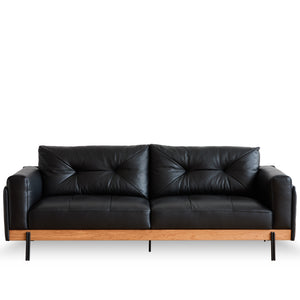
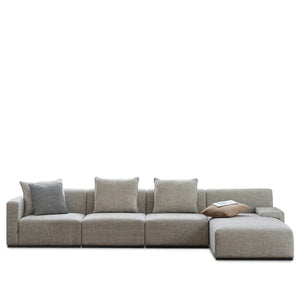
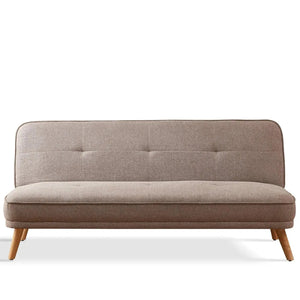
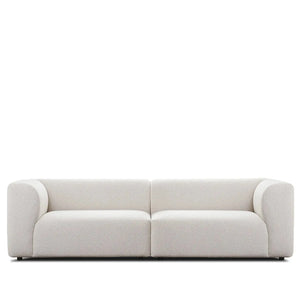
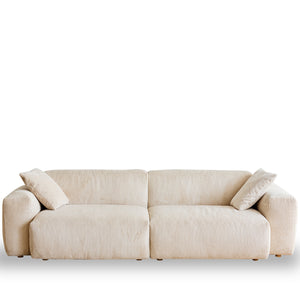
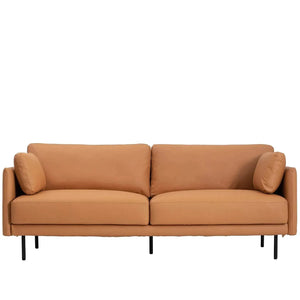
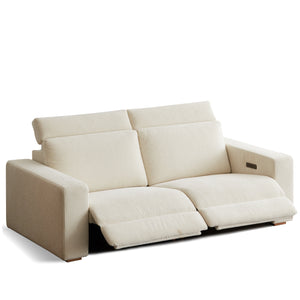
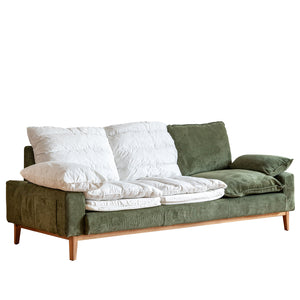
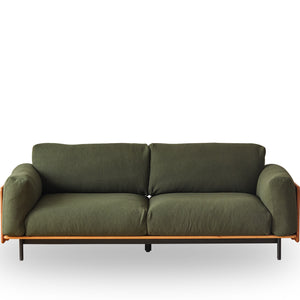
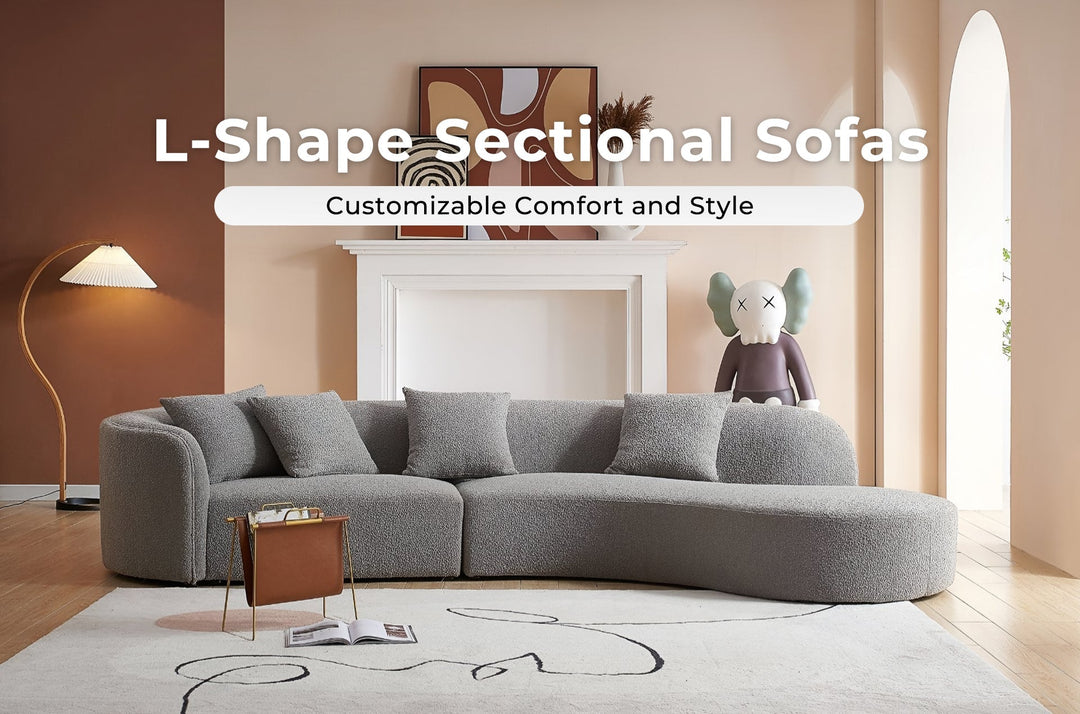
Round coffee tables pair beautifully with both linear and curved sofas. For smaller spaces, consider a 2-seater sofa with clean lines to create a pleasing contrast with your round table. In larger rooms, an L-shape sofa can create a sense of enclosure around your round coffee table, defining the conversation area while maintaining flow.
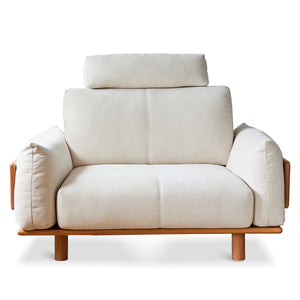
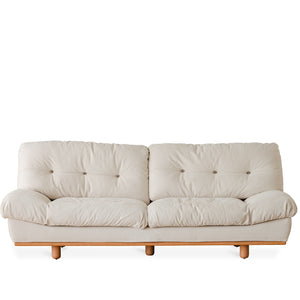
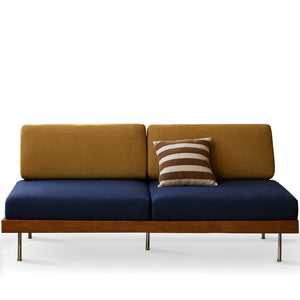
For a thoroughly Japandi aesthetic, look to sofas with visible wood frames, neutral upholstery, and minimal cushioning—designs that echo the restrained elegance of your coffee table.
Complementary Side Tables
When selecting side tables to accompany your round coffee table, consider pieces that echo elements of your main table without directly matching it. Perhaps they share a material, a finish tone, or a curved element. This creates a cohesive furniture collection that feels intentional rather than prescribed.
In smaller spaces, nesting side tables offer the same flexibility as nesting coffee tables, allowing you to expand your surface area when entertaining and contract it for daily living.
Area Rug Considerations
The relationship between your coffee table and area rug significantly impacts the room's overall composition. For round tables, both round and rectangular rugs can work beautifully. A round rug creates a pleasing shape echo, while a rectangular rug provides a contrasting geometric framework.
Size-wise, ensure your rug extends at least 18-24 inches beyond the edge of your coffee table in all directions, allowing for a proportional relationship that properly anchors the seating area while defining the conversation zone.
Maintenance Tips for Japandi Coffee Tables
The Japandi philosophy values longevity and sustainability, making proper care of your furniture an extension of the aesthetic itself:
Wood Care
For wooden coffee tables, regular dusting with a soft cloth prevents particle buildup that might scratch surfaces over time. Every few months, apply a thin coat of appropriate wood oil or wax to nourish the material and maintain its natural luster. Always use coasters for hot or wet items to prevent rings and water damage that might compromise both function and beauty.
Stone Maintenance
Stone surfaces like marble or travertine require special attention to prevent staining and etching. Seal your stone coffee table according to manufacturer recommendations—typically every 6-12 months. Clean spills immediately with a soft cloth and mild soap, avoiding acidic cleaners that can damage the stone's finish. Consider custom-cut glass toppers for additional protection that preserves the stone's beauty while enhancing its longevity.
Metal Elements
For coffee tables with metal components, periodic inspection of joins and connections ensures structural integrity. Wipe metal elements with appropriate cleaners to prevent tarnish or oxidation, maintaining the clean lines and subtle reflective qualities that contribute to the Japandi aesthetic. In Singapore's humid climate, this regular attention helps prevent corrosion that might compromise both appearance and function.
Conclusion
Round coffee tables in the Japandi style offer an elegant solution to the common challenge of furnishing smaller living spaces without sacrificing aesthetic quality. By embracing the curved forms, natural materials, and functional simplicity that define this design philosophy, you can create a living area that feels both spacious and sophisticated.
The beauty of these pieces lies not just in their space-saving proportions but in their contribution to the overall harmony of your home. Their gentle curves introduce an organic element that softens more angular furniture pieces, while their thoughtful functionality supports daily living in meaningful ways.
As Singapore homes continue to prioritize both style and spatial efficiency, Japandi round coffee tables represent a design choice that truly delivers both—proving that you need not choose between beautiful form and practical function when these elements can be so harmoniously united.
Round coffee tables in the Japandi style represent more than just furniture—they embody a philosophy of intentional living where beauty and utility are inseparable companions. Their space-saving profiles address the practical concerns of Singapore's urban dwellers, while their elegant curves and natural materials introduce a sense of calm and connection to nature that can transform the feeling of your entire living space.
Whether you're furnishing a compact apartment or simply seeking to create a more harmonious living environment, these thoughtfully designed pieces offer a compelling solution that honors both Japanese and Scandinavian design traditions while meeting contemporary needs. By embracing the principles of Japandi design—simplicity, natural materials, and functional beauty—you create not just a stylish home, but a sanctuary that supports your daily life with quiet elegance.
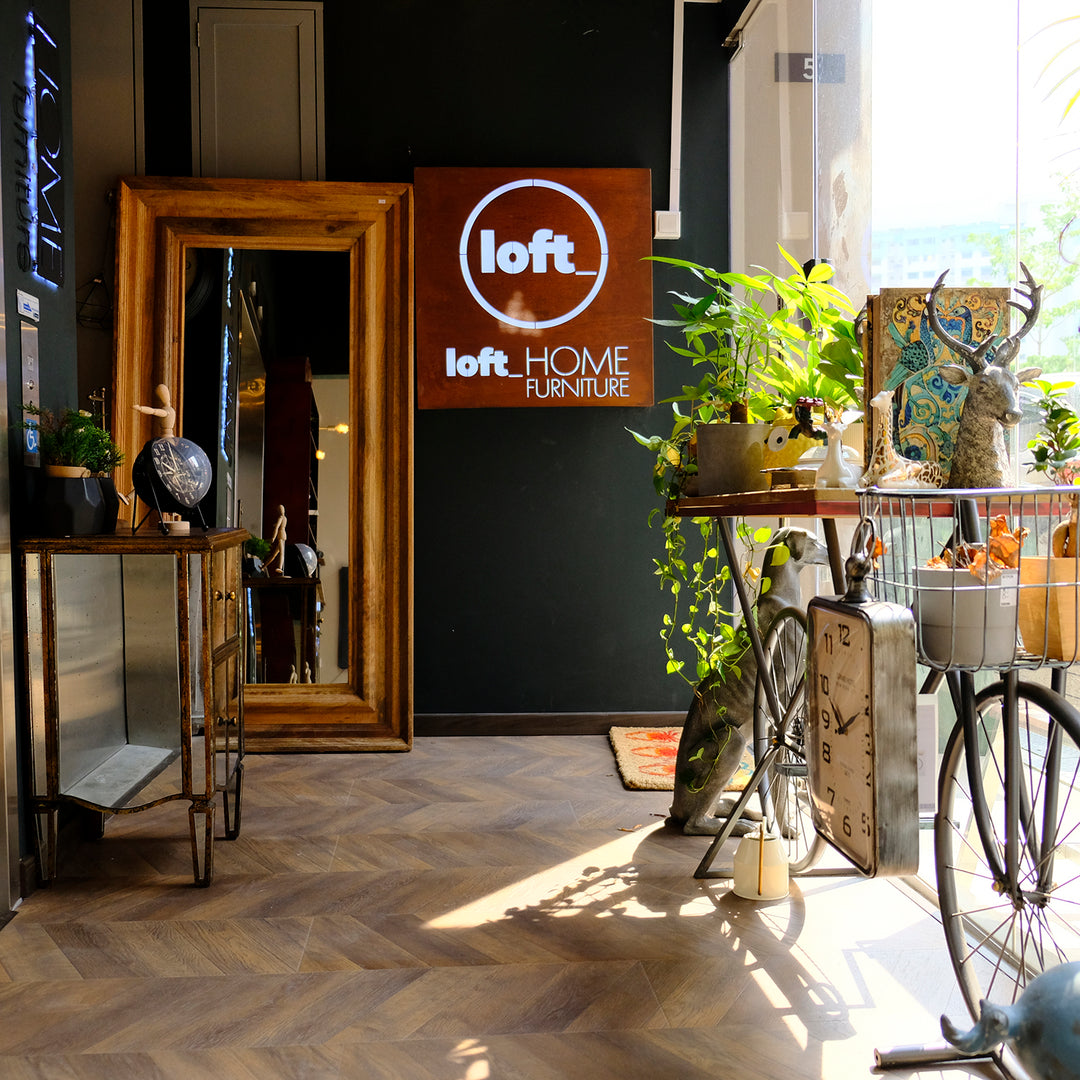
Discover our curated collection of space-saving Japandi coffee tables at Loft Home Furniture. Visit our showroom at Gambas Crescent or browse online to find the perfect piece for your Singapore home.




Leave a comment