












































































Leather Patina 101: Pull-Up vs Semi-Aniline Leather Explained
Table Of Contents
When investing in quality leather furniture, understanding how your sofa or chair will age over time is essential to making the right choice. Leather patina—the natural character that develops as leather ages—can transform your furniture from a simple piece into a personalized statement with rich depth and unique markings that tell the story of your home.
But not all leather develops patina in the same way. Two popular leather finishes for furniture—pull-up leather and semi-aniline leather—create dramatically different aging patterns and visual effects. Pull-up leather develops a distinctive two-tone appearance that changes with every touch and movement, while semi-aniline leather ages more subtly with a consistent, refined evolution.
In this comprehensive guide, we'll explore exactly what leather patina is, break down the unique characteristics of both pull-up and semi-aniline leathers, and help you determine which type best suits your lifestyle, aesthetic preferences, and furniture needs. Whether you're selecting a genuine leather sofa for your living room or considering leather dining chairs, understanding these differences will ensure your investment ages beautifully for years to come.
What Is Leather Patina?
Leather patina refers to the natural changes in appearance that genuine leather develops over time through use, exposure to light, and interaction with natural oils from human contact. Unlike synthetic materials that simply wear down or fade, quality leather actually improves aesthetically as it ages, developing richer colors, subtle variations in tone, and a soft, supple texture that can't be replicated in new leather.
This aging process occurs because leather is a natural material with porous fibers that absorb oils, shift in response to movement, and react to environmental conditions. When you sit on a leather sofa, the warmth and natural oils from your skin gradually penetrate the surface, darkening certain areas while others remain lighter. Sunlight exposure causes subtle color shifts, and the mechanical action of sitting, stretching, and flexing creates character marks that add depth and visual interest.
The development of patina is generally considered desirable among leather enthusiasts and furniture connoisseurs because it creates a one-of-a-kind piece that reflects your unique usage patterns and lifestyle. However, the speed, intensity, and appearance of patina development varies significantly based on the leather type and finishing process used during manufacturing.
Understanding Pull-Up Leather
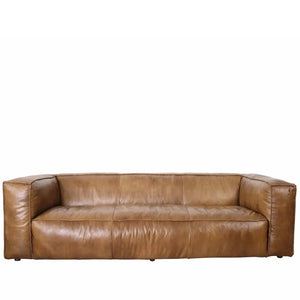
Pull-up leather gets its distinctive name from a unique visual effect: when you pull, stretch, or press the leather, it temporarily lightens in color at the stress point, creating a dramatic two-tone appearance. This happens because pull-up leather is treated with a high concentration of oils and waxes during the tanning process, which migrate within the leather fibers when the material is flexed or compressed.
The manufacturing process for pull-up leather involves tumbling the hides in drums filled with natural oils and waxes, allowing these conditioning agents to deeply penetrate the leather structure. This creates a leather that's exceptionally soft, supple, and responsive to touch from the moment it's produced. The high oil content also makes pull-up leather naturally water-resistant to a degree, as the oils help repel moisture.
Key Characteristics of Pull-Up Leather
Dramatic Color Variation: The defining feature of pull-up leather is its ability to show lighter tones when stretched or compressed. If you run your hand across a pull-up leather sofa cushion, you'll see temporary lighter streaks that gradually fade back to the base color as the oils redistribute.
Rich, Natural Appearance: Pull-up leather typically has minimal surface coating, allowing the natural grain patterns and characteristics of the hide to remain visible. This gives furniture an organic, authentic look that showcases the leather's natural beauty, including subtle variations, wrinkles, and markings that prove its genuine origin.
Soft, Supple Texture: The high oil content makes pull-up leather feel incredibly soft and buttery from day one. This luxurious hand-feel is one of the primary reasons many furniture buyers prefer pull-up leather for sofas and chairs where comfort is paramount.
Visible Patina Development: Pull-up leather develops patina quickly and noticeably. High-contact areas like armrests, seat cushions, and headrests will darken significantly over time, creating a beautiful contrast with less-used areas. This accelerated aging creates vintage-looking furniture relatively quickly, which appeals to those who appreciate the lived-in aesthetic.
Understanding Semi-Aniline Leather
Semi-aniline leather represents a middle ground between fully aniline leather (which has almost no protective coating) and pigmented leather (which has a heavy surface treatment). During production, semi-aniline leather receives a light coating of pigments and protective sealants that add a degree of durability and stain resistance while still allowing much of the natural leather character to show through.
The tanning process for semi-aniline leather begins similarly to aniline leather, using soluble dyes that penetrate the hide without obscuring the natural grain. However, manufacturers then apply a thin protective topcoat that helps resist spills, staining, and wear. This coating is significantly lighter than what you'd find on heavily pigmented leathers, meaning the leather retains much of its natural breathability and authentic appearance.
Key Characteristics of Semi-Aniline Leather
Balanced Durability and Natural Beauty: Semi-aniline leather offers practical protection for everyday use while maintaining an authentic leather look and feel. The light topcoat helps repel spills and resist staining better than unprotected leathers, making it ideal for households with children or pets.
Consistent Color Appearance: Unlike pull-up leather's dramatic color shifts, semi-aniline leather maintains a more uniform appearance. While you can still see natural grain patterns and variations in the hide, the color remains relatively stable when the leather is stretched or compressed, creating a more refined, consistent look.
Moderate Softness: Semi-aniline leather feels softer and more natural than heavily pigmented leathers but typically isn't quite as supple as pull-up leather due to the protective topcoat. The texture strikes a balance between luxury and practicality, offering comfort without sacrificing durability.
Gradual Patina Development: Semi-aniline leather develops patina more slowly and subtly than pull-up leather. The protective coating somewhat limits how quickly oils and environmental factors can affect the leather's appearance. Over time, you'll notice gentle deepening of color and increased suppleness, but the transformation happens gradually over years rather than months.
Patina Development: Pull-Up vs Semi-Aniline
The way these two leather types develop patina differs dramatically, affecting both the timeline and the final appearance of your furniture. Understanding these differences helps set appropriate expectations and guides you toward the leather type that matches your aesthetic preferences.
Speed of Patina Formation
Pull-up leather develops visible patina remarkably quickly—often within the first few months of regular use. You'll notice darkening on armrests where you rest your hands, deeper tones on seat cushions, and characteristic wear patterns that create a vintage appearance. This rapid transformation appeals to those who want their furniture to develop personality quickly, but it may concern buyers who prefer a consistently new appearance.
Semi-aniline leather takes a much more measured approach to aging. The protective topcoat slows the absorption of oils and limits environmental effects, meaning your leather sofa will look relatively similar to its original state for the first year or two. Patina development becomes more noticeable after several years of use, resulting in a refined evolution rather than a dramatic transformation.
Visual Characteristics of Aged Leather
Aged pull-up leather exhibits high contrast between frequently touched areas and protected zones. A well-used pull-up leather sofa might show rich, dark brown tones on the seat and armrests while maintaining lighter shades on the back cushions and sides. The overall effect is rustic, organic, and highly individual—no two pieces age identically because usage patterns differ in every home.
Aged semi-aniline leather presents a more uniform, sophisticated patina. The entire piece darkens gradually and evenly, with only subtle variations between high-use and low-use areas. The natural grain becomes slightly more pronounced over time, and the leather develops a gentle sheen from accumulated oils, but the overall appearance remains refined and consistent. This controlled aging suits contemporary and minimalist interiors where dramatic variation might feel out of place.
Texture Evolution
Both leather types become softer and more supple with age, but they start from different baselines. Pull-up leather begins extremely soft due to its high oil content and becomes even more buttery over time, developing a luxurious, broken-in quality similar to a favorite leather jacket. The leather conforms to your body's contours, creating custom comfort zones that feel uniquely molded to you.
Semi-aniline leather starts with a slightly firmer feel due to its protective coating but gradually softens as the topcoat flexes and microscopic amounts of oil penetrate the surface. The transformation is less dramatic but still noticeable, resulting in furniture that maintains structural integrity while gaining comfort over the years.
Durability and Maintenance Considerations
When choosing between pull-up and semi-aniline leather for your furniture investment, practical considerations around durability, stain resistance, and maintenance requirements play a crucial role alongside aesthetic preferences.
Stain and Spill Resistance
Semi-aniline leather has a clear advantage when it comes to stain resistance. The protective topcoat creates a barrier that prevents most liquids from immediately soaking into the leather fibers, giving you time to wipe up spills before they can cause permanent damage. This makes semi-aniline an excellent choice for family rooms, dining areas with leather dining chairs, or any space where accidental spills are likely.
Pull-up leather, with its minimal surface protection and porous structure, absorbs liquids more readily. While the natural oils provide some water resistance, spills can darken the leather or leave marks if not addressed quickly. However, many pull-up leather enthusiasts view these marks as adding to the leather's character and authentic patina rather than seeing them as defects.
Scratch and Wear Resistance
Interestingly, pull-up leather handles minor scratches and scuffs better than you might expect. When the leather surface is scratched, you can often rub the area with your finger to redistribute the oils, which helps the scratch blend back into the surrounding leather. Deep scratches will remain visible but typically integrate into the overall patina rather than appearing as obvious damage.
Semi-aniline leather's protective coating provides good resistance to surface scratches and general wear. However, if the topcoat is scratched through to the underlying leather, the damage may be more noticeable because it creates a contrast between the protected and exposed areas. That said, the coating significantly reduces the likelihood of such damage occurring in the first place.
Maintenance Requirements
Pull-up leather requires occasional conditioning to replenish the oils that give it characteristic properties. Depending on your climate and usage patterns, you might need to apply leather conditioner every 6-12 months to prevent the leather from drying out. Regular dusting and gentle cleaning with a slightly damp cloth handle routine maintenance, while the high oil content means you'll rarely need specialized cleaning products.
Semi-aniline leather demands less frequent conditioning due to its protective coating, though it still benefits from occasional treatment to maintain suppleness. Regular cleaning involves wiping with a slightly damp cloth and using pH-neutral leather cleaners for tougher stains. The protective layer means you can be slightly more aggressive with cleaning when necessary, whereas pull-up leather requires a gentler touch to avoid stripping away its beneficial oils.
Choosing the Right Leather for Your Furniture
Selecting between pull-up and semi-aniline leather ultimately depends on your lifestyle, aesthetic preferences, and how you want your furniture to evolve over time. Consider these factors when making your decision.
Lifestyle Compatibility
Choose pull-up leather if: You appreciate authentic, rustic aesthetics and view marks and variations as desirable character rather than damage. Pull-up leather suits homes where a lived-in, vintage appearance aligns with your interior design vision. It's ideal for child-free households or spaces where you can embrace the accelerated patina development without worrying about rapid visible changes to your furniture's appearance.
Choose semi-aniline leather if: You have young children, pets, or high-traffic areas where stain resistance and durability are priorities. Semi-aniline works beautifully in formal living rooms, contemporary spaces, or any environment where you want leather's luxury and comfort with added practical protection. It's also the better choice if you prefer furniture that maintains a relatively consistent appearance for several years.
Aesthetic Preferences
Pull-up leather creates dramatic, high-contrast patina that gives furniture a distinctive, antique-inspired character. This works exceptionally well with industrial, rustic, and vintage interior styles where imperfection and authenticity are celebrated design elements. The visual depth created by varied tones adds warmth and personality to casual, comfortable spaces.
Semi-aniline leather maintains a more refined, consistent appearance that complements modern, contemporary, and minimalist design schemes. The controlled patina development ensures your furniture remains elegant and polished while still developing the soft, luxurious quality that makes leather special. This consistency works particularly well in formal settings or carefully curated interiors where dramatic variation might disrupt the overall aesthetic.
Furniture Type Considerations
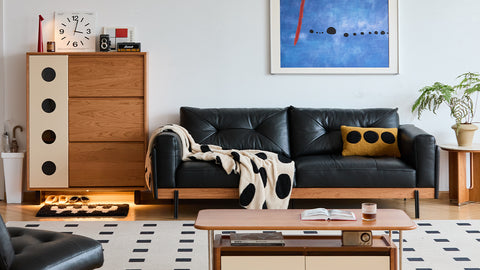
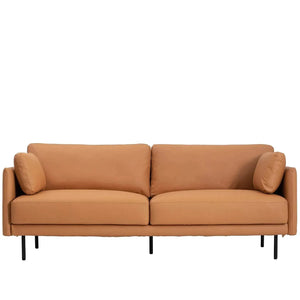
For sofas and sectionals that serve as the centerpiece of your living room, your choice should reflect how prominently the patina development will be displayed. Pull-up leather creates a bold statement piece that becomes more distinctive over time, while semi-aniline provides luxury seating that ages gracefully without dominating the room's visual identity.
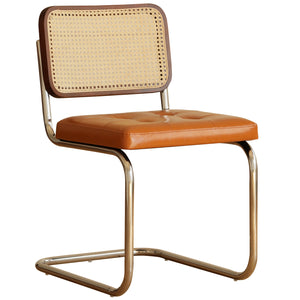
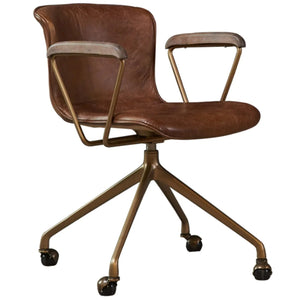
For dining chairs and office chairs that experience frequent, concentrated use, semi-aniline's stain resistance offers practical advantages, especially in dining areas where food and beverage spills are inevitable. However, pull-up leather can work beautifully in these applications if you're committed to prompt spill cleanup and embrace the unique wear patterns that develop from regular use.
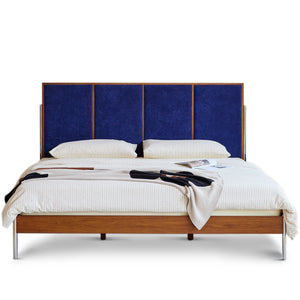
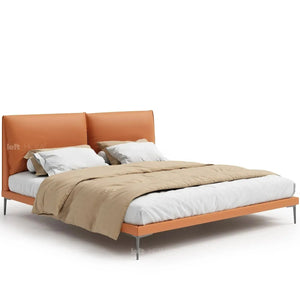
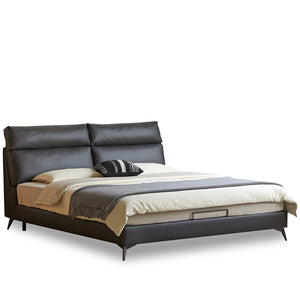
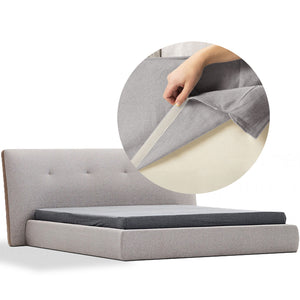
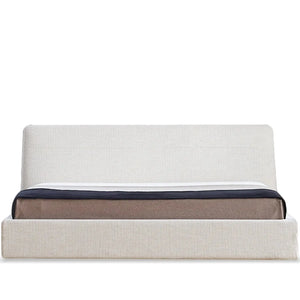
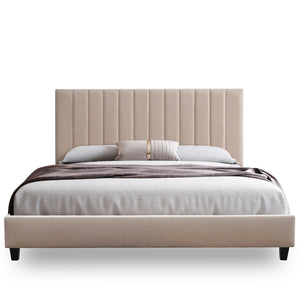
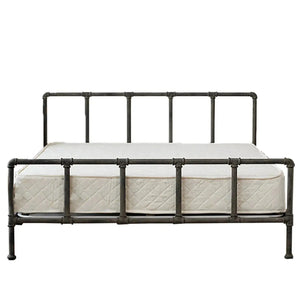
For bed frames and low-contact furniture pieces, either leather type works well since patina development will be minimal regardless. In these cases, base your decision on texture preferences and overall aesthetic alignment with your bedroom design.
How to Care for Your Leather's Patina
Regardless of which leather type you choose, proper care ensures beautiful, even patina development that enhances rather than detracts from your furniture's appearance.
Regular Maintenance Routine
Weekly dusting: Use a soft, dry cloth to remove dust and debris from your leather furniture. This prevents particles from grinding into the leather surface and causing premature wear. Pay special attention to crevices and seams where dust accumulates.
Monthly conditioning (pull-up leather): For pull-up leather, assess the surface every month. If the leather feels dry or looks dull, apply a high-quality leather conditioner according to the product instructions. This replenishes natural oils and maintains the leather's supple texture. Semi-aniline leather typically needs conditioning only 2-3 times per year.
Immediate spill response: Blot liquid spills immediately with a clean, absorbent cloth—never rub, as this spreads the liquid and drives it deeper into the leather. For pull-up leather, the stain may become part of the patina. For semi-aniline, quick action usually prevents any permanent marking.
Environmental Considerations
Position leather furniture away from direct sunlight, which can cause uneven fading and accelerate patina development in exposed areas while leaving protected sections lighter. This creates harsh contrast lines rather than the organic, gradual variations that characterize beautiful patina. Use curtains or blinds to filter intense afternoon sun, especially in Singapore's tropical climate where UV exposure is significant year-round.
Maintain consistent indoor humidity levels between 40-60% to prevent leather from drying out or becoming overly moist. Singapore's high humidity can actually benefit leather by keeping it supple, but air-conditioned rooms can create dry conditions that require more frequent conditioning. Consider using a humidifier in heavily climate-controlled spaces.
Embracing Natural Aging
The most important aspect of caring for leather patina is adjusting your mindset to appreciate natural aging as an enhancement rather than deterioration. Small scratches, slight color variations, and the gradual darkening of high-use areas aren't defects—they're the hallmarks of genuine leather living and breathing in your home. These characteristics prove authenticity and create furniture that tells your family's unique story.
With pull-up leather especially, resist the urge to over-clean or try to maintain a uniform appearance. The beauty lies in the contrast and variation. For semi-aniline leather, embrace the subtle evolution knowing that your furniture is developing depth and character that synthetic materials could never achieve.
Understanding the differences between pull-up and semi-aniline leather empowers you to make an informed decision that aligns with both your practical needs and aesthetic vision. Pull-up leather offers dramatic, rapid patina development with a rustic, characterful appearance that celebrates authenticity and imperfection. Semi-aniline leather provides a more controlled aging process with enhanced stain resistance and a refined, consistent look that suits contemporary interiors.
Neither option is objectively better—they simply serve different purposes and appeal to different preferences. Pull-up leather rewards those who appreciate visible history and authentic materials, while semi-aniline satisfies those who want leather's luxury with added practical protection and subtle evolution.
Whichever leather type you choose, proper care and realistic expectations ensure your furniture ages beautifully, developing the rich patina that makes quality leather one of the most enduring and beloved materials in furniture design. Your investment will reward you with years of comfort, beauty, and character that only improves with time.
Ready to Find Your Perfect Leather Furniture?
Explore Loft Home's curated collection of genuine leather sofas, chairs, and beds crafted with quality materials and designer aesthetics at accessible prices.
Shop Leather Furniture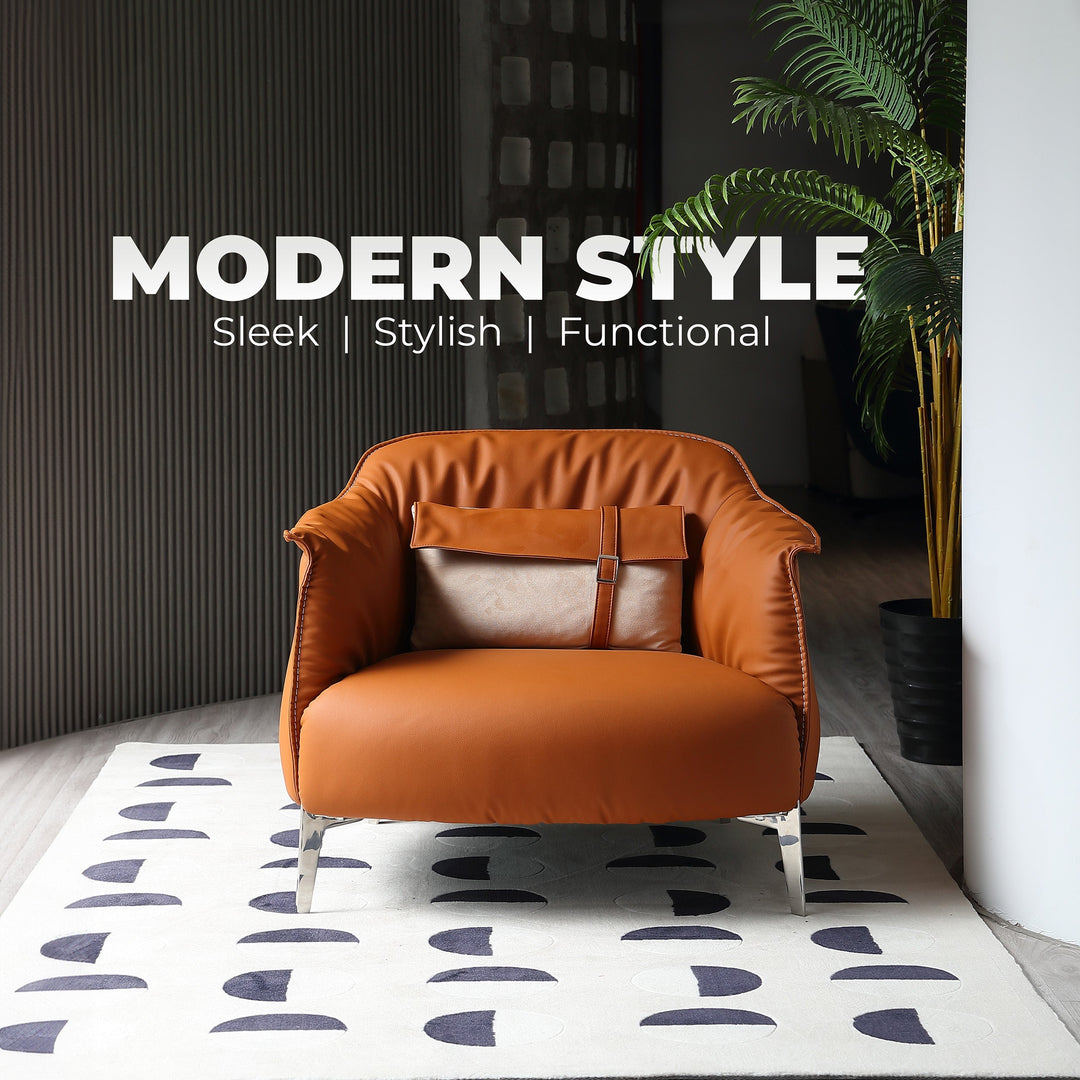


Leave a comment