













































































Modular Sofa Blocks: How to Reconfigure Your Space in 5 Simple Steps
Table Of Contents
- Understanding Modular Sofas: The Building Blocks of Modern Living
- Benefits of Modular Sofas for Singapore Homes
- Step 1: Assess Your Space and Needs
- Step 2: Disconnect and Prepare Your Modular Blocks
- Step 3: Experiment with Different Layouts
- Step 4: Secure and Stabilize Your New Configuration
- Step 5: Style and Accessorize Your Newly Arranged Sofa
- Popular Modular Sofa Configurations for Various Occasions
- Maintenance Tips for Modular Sofas
- Conclusion: Embracing the Versatility of Modular Sofas
The way we use our living spaces is constantly evolving. One day you're hosting a movie night with friends, the next you're creating a cozy reading nook, and then you're accommodating overnight guests. This dynamic lifestyle demands furniture that can keep up with your changing needs—enter the modular sofa. Unlike traditional fixed sofas, modular designs offer unparalleled versatility through individual blocks or sections that can be rearranged to suit different occasions and spatial requirements.
At Loft Home Furniture, we've seen firsthand how modular sofas have revolutionized Singapore homes, especially in apartments where space optimization is crucial. These adaptable pieces allow you to reconfigure your living area without investing in entirely new furniture, making them both a practical and economical choice for modern homeowners.
This comprehensive guide will walk you through five simple steps to reconfigure your modular sofa blocks, transforming your living space with minimal effort. Whether you've just purchased your first modular sofa or are looking to reimagine your existing setup, these steps will help you unlock the full potential of this versatile furniture piece.
Modular Sofa Transformation Guide
Transform your living space with these 5 simple steps to reconfigure your modular sofa blocks
Assess Your Space
- Measure your room dimensions
- Consider traffic flow patterns
- Define your purpose (entertaining, relaxing, etc.)
Disconnect Modules
- Clear the area of cushions and décor
- Release connecting mechanisms between blocks
- Use furniture sliders to protect flooring
Experiment With Layouts
- Try L-shaped configurations for corners
- U-shaped layouts for conversation areas
- Consider creating separate seating groups
Secure & Stabilize
- Align modules precisely
- Reconnect all fastening mechanisms
- Test stability by gently pressing sections
Style & Accessorize
- Arrange cushions in groups of odd numbers
- Add throws for texture and warmth
- Reposition complementary furniture pieces
Popular Configurations
L-Shaped
Perfect for corner spaces and defining separate areas
U-Shaped
Creates intimate conversation space for entertaining
Movie Night
Arrange in a slight curve facing the TV for optimal viewing
Maintenance Tips for Long-Lasting Modular Sofas
Vacuum Weekly
Pay special attention to seams, crevices, and connector areas
Inspect Connectors
Regularly check connecting mechanisms and replace damaged parts
Rotate Modules
Periodically swap positions of identical modules to ensure even wear
Avoid Direct Sunlight
Position away from windows or use window treatments to prevent fading
Unlock Your Space's Potential
Modular sofas are the perfect solution for Singapore's dynamic living environments
Understanding Modular Sofas: The Building Blocks of Modern Living
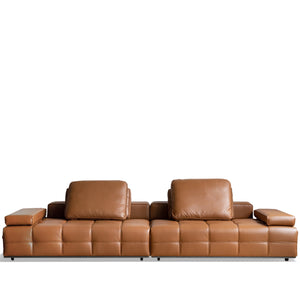
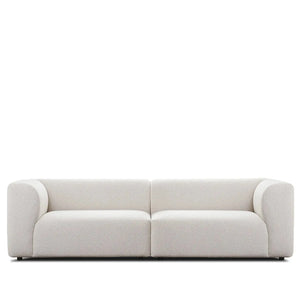
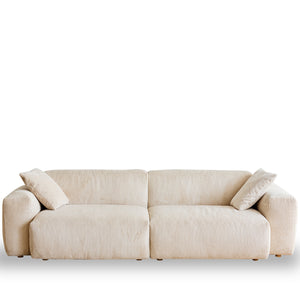
Modular sofas represent a revolution in furniture design, offering a solution that adapts to your lifestyle rather than forcing you to adapt to your furniture. At their core, modular sofas consist of individual sections or "blocks" that can function independently or connect to form larger seating arrangements.
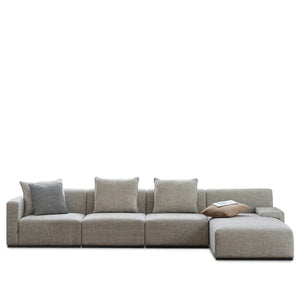
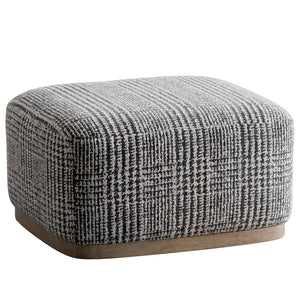
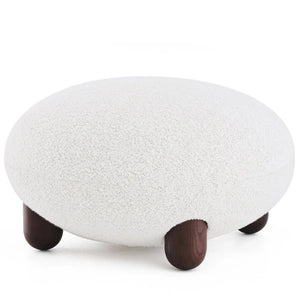
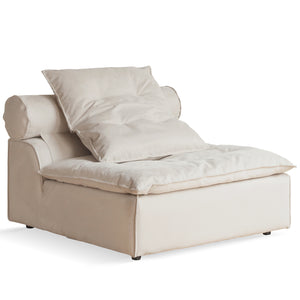
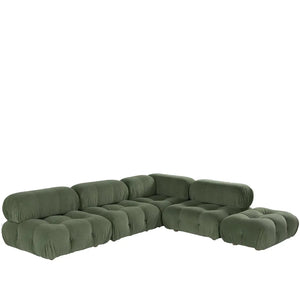
These building blocks typically include corner pieces, armless sections, ottomans, and chaise lounges. The beauty of this system lies in its flexibility—each piece is designed to connect securely with others, allowing you to create countless configurations from the same set of components.
What sets high-quality modular sofas apart is their connecting mechanism. Premium models, like those available at Loft Home's modular sofa collection, feature sturdy, user-friendly connectors that ensure your arrangement stays firmly in place once assembled. This engineering detail is crucial for both stability and longevity, especially in homes with children or pets.
Benefits of Modular Sofas for Singapore Homes
Singapore's living spaces often present unique challenges: compact floor plans, multifunctional rooms, and the need to accommodate both daily family life and entertaining. Modular sofas offer several advantages that directly address these concerns:
Space Optimization: In apartment living, every square meter counts. Modular sofas can be reconfigured to fit different room dimensions, allowing you to make the most of available space without compromising on comfort or style.
Adaptability: As your needs change, so can your sofa. Hosting overnight guests? Transform your L-shaped arrangement into a comfortable bed. Need more intimate conversation areas for a gathering? Break your sofa into smaller seating groups.
Investment Value: Quality modular pieces represent better long-term value than traditional sofas. Rather than replacing entire furniture sets when you move or redecorate, you can simply reconfigure or add new modules to suit your changing space.
Design Flexibility: Whether your taste leans toward contemporary, Scandinavian, or minimalist styles, modular sofas can be arranged to complement your aesthetic while maintaining functionality.
Step 1: Assess Your Space and Needs
Before you start rearranging your modular sofa blocks, take time to evaluate both your space and how you plan to use it. This thoughtful approach will save you time and effort in the long run.
Measure Your Space
Start with precise measurements of your room, noting the dimensions and any architectural features that might impact furniture placement, such as windows, doorways, or built-in elements. In Singapore homes, where space is often at a premium, accurate measurements are particularly important.
Create a simple floor plan on paper or use a room planning app to visualize different arrangements. This helps you avoid the frustration of discovering mid-rearrangement that your new configuration won't fit the intended space.
Consider Traffic Flow
Think about how people move through your space. Ensure that your new arrangement doesn't obstruct natural pathways or create awkward bottlenecks. In open-concept Singapore apartments, consider how your sofa configuration might help define distinct areas while maintaining a sense of openness.
Define Your Purpose
Are you reconfiguring for everyday family use, entertaining guests, creating a home theater setup, or maximizing seating capacity? Your answer will guide your arrangement decisions. For instance, a conversational setup might prioritize face-to-face seating, while a media-focused arrangement would orient all seats toward the television.
Step 2: Disconnect and Prepare Your Modular Blocks
Once you've planned your new arrangement, it's time to disassemble your current configuration. This process requires care to protect both your furniture and your flooring.
Clear the Area
Remove all cushions, throws, and decorative items from your sofa. Store them safely away from your work area to prevent accidental damage. If possible, clear additional space around your sofa to give yourself room to maneuver the individual blocks.
Locate and Release the Connectors
Different modular sofa systems use various connecting mechanisms. Common types include:
- Hook-and-eye fasteners
- Interlocking brackets
- Velcro strips
- Metal clamps
- Plastic clips
Locate these connectors between the modules and carefully disconnect them according to the manufacturer's instructions. If you've purchased your modular sofa from Loft Home Furniture, you can refer to the product manual or contact our customer service team for specific guidance on your model.
Protect Your Floors
Before moving any modules, place furniture sliders or thick blankets under each piece to prevent scratching your floors. This is especially important for hardwood or parquet flooring common in many Singapore homes.
Step 3: Experiment with Different Layouts
With your modules disconnected and ready to move, this is your opportunity to get creative with various arrangements. Consider these popular configurations that work well in different Singapore home settings:
L-Shaped Configuration
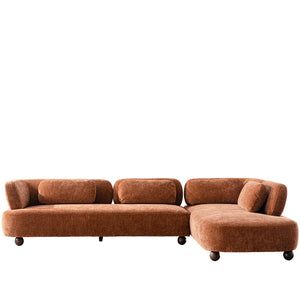
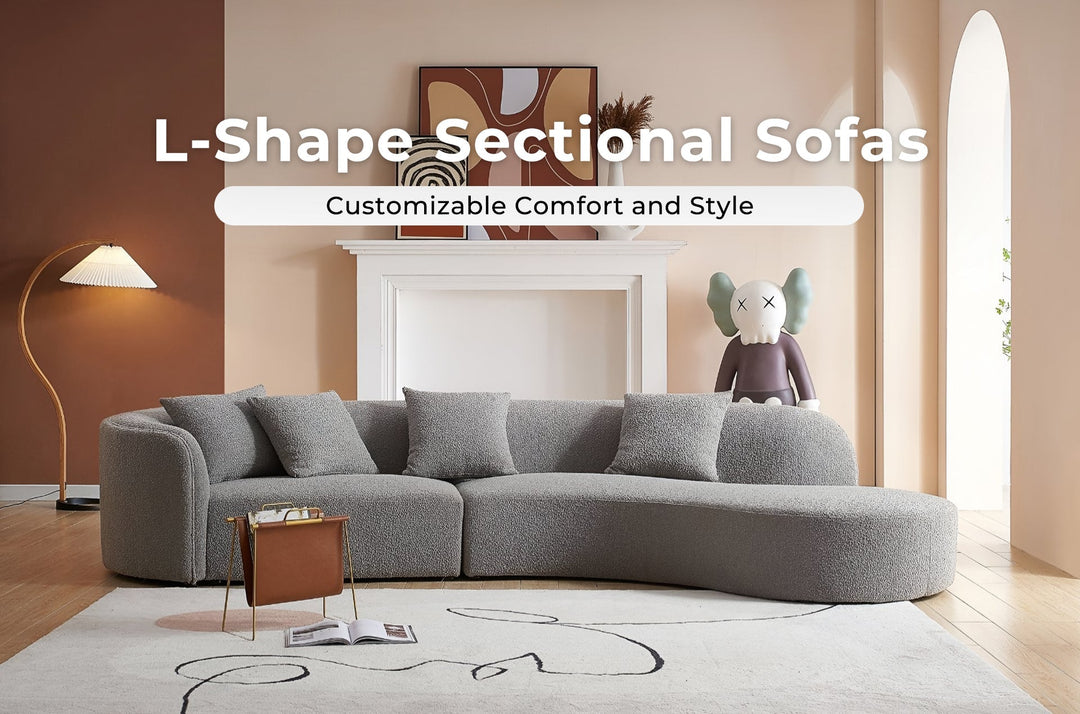
This classic arrangement fits perfectly into corners, making it ideal for defining separate areas in open-concept apartments. An L-shape sofa works well against walls and creates a natural conversation area when paired with a coffee table.
U-Shaped Configuration
For larger living rooms or when entertaining is a priority, a U-shaped arrangement creates an intimate space perfect for conversation. This setup encloses three sides of a central area, creating a self-contained social zone.
Island Configuration
In spacious rooms, consider placing your modular pieces in the center of the space rather than against walls. This creates a floating "island" that can help divide larger areas while maintaining an open feel.
Separate Seating Groups
Don't feel obligated to keep all your modules connected. Sometimes, creating multiple smaller seating arrangements can better serve multifunctional spaces. For example, you might position a three-seater section for TV viewing while creating a separate reading nook with a single module and ottoman.
During this experimental phase, don't be afraid to try unexpected configurations. Move the pieces around, step back to assess the look and feel, and adjust as needed until you find an arrangement that feels right for your space and needs.
Step 4: Secure and Stabilize Your New Configuration
Once you've settled on your preferred arrangement, it's time to ensure everything is properly connected and stable. This step is crucial for safety and comfort.
Align the Modules
Carefully position each module exactly where you want it, ensuring all pieces are flush against each other. Pay special attention to corners and transitions between different types of modules. Even slight misalignments can affect both the appearance and stability of your arrangement.
Reconnect the Fasteners
Once aligned, reconnect all the fastening mechanisms between modules. Whether your sofa uses clips, hooks, or another system, ensure each connection is secure. For systems with adjustable connectors, make sure they're tightened appropriately—firm enough to prevent shifting but not so tight that you risk damaging the frame.
Check for Stability
After connecting all modules, test the stability of your new arrangement by gently pressing on different sections. There should be minimal movement between connected pieces. If you notice any wobbling or separation, double-check those connections and adjust as needed.
For configurations that include floating pieces or unusual angles, additional stability measures might be necessary. Non-slip pads under key contact points can provide extra security, especially on smooth flooring surfaces.
Step 5: Style and Accessorize Your Newly Arranged Sofa
The final step in reconfiguring your modular sofa is styling it to enhance both aesthetics and comfort. This is where you can truly personalize your space and make it feel cohesive despite the recent changes.
Replace and Arrange Cushions
Return your seat and back cushions to their proper positions. This is also an opportunity to refresh your look—consider rearranging decorative pillows in a new pattern or grouping. For a coordinated appearance, follow the odd-number rule: grouping pillows in sets of three or five often creates the most visually appealing arrangement.
Add Textural Elements
Introduce throws, blankets, or additional pillow cushions to add texture and warmth to your new configuration. In Singapore's climate, lightweight cotton or linen throws provide both style and practical comfort for air-conditioned environments.
Adjust Surrounding Furniture
Your new sofa arrangement may require repositioning other furniture pieces like coffee tables, side tables, or floor lamps. Ensure these complementary pieces are properly positioned for both functionality and balanced design. A coffee table should typically be positioned 30-45 cm from the sofa edge for comfortable reach.
Consider the Bigger Picture
Step back and assess how your newly arranged sofa interacts with the room as a whole. Consider how it affects sightlines, conversation flow, and the overall balance of the space. Make final adjustments to create a harmonious environment that serves your practical needs while reflecting your personal style.
Popular Modular Sofa Configurations for Various Occasions
Different situations call for different furniture arrangements. Here are some purpose-specific configurations that Singapore homeowners find particularly useful:
Movie Night Setup
For the perfect home cinema experience, arrange your modules in a slight curve facing the television or projector screen. This creates optimal viewing angles for everyone. Include chaise sections or ottomans where possible to allow for comfortable reclining positions.
Entertaining Configuration
When hosting gatherings, consider a conversation-focused arrangement where seats face inward around a central point, such as a coffee table. U-shaped or circular configurations work well for this purpose, creating an inclusive environment that encourages interaction.
Overnight Guest Accommodation
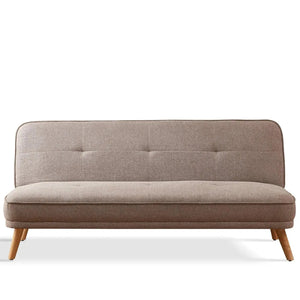
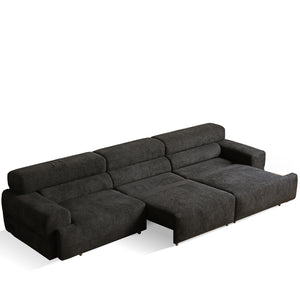
Many modular sofas can be reconfigured into a comfortable sleeping space for guests. For maximum comfort, create a large, flat surface by aligning seat modules of the same height. Some sofa beds and modular systems are specifically designed with this function in mind, featuring pull-out mechanisms or cushions that can be rearranged to form a mattress-like surface.
Maintenance Tips for Modular Sofas
To ensure your modular sofa remains in optimal condition through multiple reconfigurations, follow these maintenance guidelines:
Regular Cleaning
Vacuum your sofa weekly using an upholstery attachment to remove dust and debris. Pay special attention to seams, crevices, and the areas where modules connect, as these tend to collect more dirt. For fabric sofas, consider seasonal deep cleaning with appropriate upholstery cleaners.
Connector Maintenance
Periodically inspect the connecting mechanisms between modules. Keep metal connectors clean and occasionally apply a small amount of lubricant if they become difficult to operate. Replace any damaged connectors promptly to prevent structural issues.
Rotation and Repositioning
Even with modular sofas that you reconfigure regularly, certain modules may see more use than others. Periodically rotate cushions and, if possible, swap the positions of identical modules to ensure even wear over time.
Protect from Environmental Factors
In Singapore's climate, protect your sofa from direct sunlight, which can cause fabric to fade over time. Position your arrangement away from windows or use window treatments to filter harsh daylight. Also, maintain consistent humidity levels to prevent issues with wooden frames or certain upholstery materials.
Conclusion: Embracing the Versatility of Modular Sofas
Modular sofas represent the perfect marriage of form and function for Singapore's dynamic living environments. By following the five steps outlined in this guide—assessing your space, preparing your modules, experimenting with layouts, securing your configuration, and styling your arrangement—you can transform your living area to suit any occasion or need.
The beauty of modular furniture lies not just in its adaptability but in the freedom it gives you to evolve your space as your life changes. Whether you're accommodating a growing family, adapting to a new home, or simply refreshing your interior design, your modular sofa can change with you.
At Loft Home Furniture, we understand that furniture is an investment in your lifestyle. That's why we offer a diverse range of high-quality modular options designed to provide both aesthetic appeal and practical functionality. Our modular sofa collection features pieces crafted with attention to detail, durable materials, and connecting systems that stand the test of time and repeated reconfiguration.
We invite you to visit our showroom at Gambas Crescent to experience our modular sofa options firsthand. Our design consultants can help you select the perfect modules to create a versatile seating solution tailored to your specific space and lifestyle needs.



Leave a comment