

































































































Rattan & Cane Cabinet Doors: Expert Guide to Repair & Maintenance
Table Of Contents
- Understanding Rattan and Cane Materials
- Common Types of Damage to Rattan & Cane Cabinet Doors
- Professional Repair Techniques for Damaged Doors
- Preventative Maintenance Tips
- Proper Cleaning Methods for Longevity
- Finishing and Protection Options
- When to Repair vs. When to Replace
- Styling Tips for Rattan & Cane Cabinet Doors
Rattan and cane cabinet doors bring a timeless, natural texture to any space, adding warmth and visual interest to both modern and traditional interiors. These beautiful natural materials have been used in furniture making for centuries, prized for their lightweight yet durable qualities and distinctive appearance. However, despite their resilience, rattan and cane elements require specific care to maintain their beauty and structural integrity over time.
Whether you've recently invested in a stunning rattan piece for your home or have inherited vintage cane-front cabinetry that needs some attention, understanding how to properly repair and maintain these natural materials is essential. This comprehensive guide will walk you through everything you need to know about caring for your rattan and cane cabinet doors—from identifying different types of damage to implementing professional-grade repairs and establishing a maintenance routine that will extend the life of your furniture for years to come.
Understanding Rattan and Cane Materials
Before diving into repair techniques, it's important to understand the distinction between rattan and cane, as these terms are often used interchangeably despite being different materials requiring slightly different care approaches.
Rattan is a type of palm that grows in Southeast Asia, Africa, and other tropical regions. When harvested, the entire stem of the rattan palm can be used in furniture construction. The outer skin of the rattan stem is peeled away to create cane, while the inner core is used to make wicker furniture. Rattan is known for its incredible strength and flexibility, making it ideal for furniture frames and structured elements.
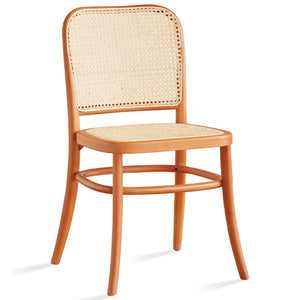
Cane, on the other hand, refers specifically to the outer skin of the rattan palm, which is peeled away, processed, and woven into the characteristic open-weave patterns we often see on chair seats and cabinet door panels. Cane is prized for its tight, uniform appearance and surprising durability despite its delicate appearance.
Both materials are natural fibers that respond to environmental conditions. They can expand and contract with changes in humidity and temperature, which is an important consideration when planning repairs and maintenance routines.
Common Types of Damage to Rattan & Cane Cabinet Doors
Identifying the type of damage your rattan or cane cabinet doors have sustained is the first step toward effective repairs. Here are the most common issues you might encounter:
Breakage and Tears
Perhaps the most obvious form of damage is physical breakage of the cane strands or rattan pieces. This can occur from impact, excessive weight, or simply age and use over time. Small tears might be barely noticeable at first but can quickly expand if not addressed promptly.
Loosening Weave
Cane webbing can loosen over time, especially in environments with fluctuating humidity. As the material expands and contracts repeatedly, the once-tight weave may become slack, creating an uneven surface and potentially leading to further damage if left unattended.
Discoloration and Staining
Being natural materials, both rattan and cane are susceptible to discoloration from sun exposure, which can cause yellowing or fading. Stains from water, food, or other substances can also mar the appearance of your cabinet doors if not cleaned properly and promptly.
Mold and Mildew
In humid environments or after exposure to moisture, rattan and cane can develop mold or mildew, which appears as dark spots or a powdery substance on the surface. Besides being unsightly, this can weaken the material and create unpleasant odors.
Drying and Cracking
Conversely, in extremely dry conditions or with age, these natural materials can become brittle and prone to cracking. Once cracking begins, the structural integrity of the piece is compromised, making repairs more urgent.
Professional Repair Techniques for Damaged Doors
When your rattan or cane cabinet doors show signs of damage, timely repairs can prevent further deterioration. Here are professional-grade repair techniques for different types of damage:
Repairing Broken Strands
For small breaks in individual strands of cane webbing, you can use a simple splicing technique. Cut a small piece of matching cane slightly longer than the damaged area. After soaking both the repair piece and the damaged area in warm water for about 30 minutes to increase flexibility, weave the new piece into place, following the existing pattern. Secure the ends with a tiny amount of wood glue and clamp until dry.
For larger tears or multiple broken strands, you may need to replace an entire section of the webbing. This is a more complex repair that might require professional assistance, especially for intricate patterns or if the cane is pre-woven and set into a groove in the cabinet door frame.
Tightening Loose Weave
If your cane webbing has become loose but isn't torn, you can often restore its tension with a simple water treatment. Dampen the cane thoroughly (but not dripping wet) using a spray bottle filled with warm water. As the cane dries, it will naturally contract and tighten. For optimal results:
Apply the water to both sides of the cane panel evenly. Place the cabinet door flat and allow it to dry naturally—preferably in a warm room with good air circulation but away from direct heat sources or sunlight, which can cause uneven drying and potential warping. The drying process may take 24-48 hours, during which time the cane will tighten considerably.
Replacing Entire Cane Panels
For severely damaged cane panels, full replacement is often the best solution. This process involves:
Carefully removing the old cane panel by clearing out the existing spline (the flexible material that holds the cane in the groove). Purchase pre-woven cane webbing that matches the pattern and size of your cabinet doors. Soak the new cane in warm water for 30-60 minutes until pliable. While the cane is still damp and flexible, press it into the groove of the cabinet door frame. Secure it with a new spline, which is pressed into the groove on top of the cane edges. Trim any excess cane after the installation has dried completely.
This replacement process requires patience and careful work but can completely restore the appearance and functionality of your cabinet doors.
Addressing Structural Issues
Sometimes, the frame or structure holding the cane may also be damaged. If your cabinet door frames are loose or damaged, these should be repaired before addressing the cane elements. Use wood glue and clamps to secure loose joints, and wood filler for any small cracks or chips in the frame. Allow all structural repairs to cure completely before working on the cane elements.
Preventative Maintenance Tips
Preventing damage is always easier and more cost-effective than repairing it. Here are essential maintenance practices to keep your rattan and cane cabinet doors in optimal condition:
Humidity Control
Since rattan and cane are natural fibers that respond to environmental changes, maintaining consistent humidity levels is crucial. Aim for relative humidity between 40-60% in your home. In dry climates or during winter heating season, consider using a humidifier. In humid environments, a dehumidifier may be beneficial. These measures prevent the extreme expansion and contraction that lead to loosening or cracking.
Sunlight Protection
Direct sunlight can fade and weaken natural fibers over time. Position rattan and cane furniture away from windows with harsh direct sunlight, or use window treatments to filter the light. If relocating the furniture isn't possible, consider applying a UV-protective finish to the cane (more on finishes below).
Weight Distribution
While not as relevant for vertical cabinet doors as it is for chair seats, it's still important to avoid placing heavy objects against cane door panels, as this can stress and eventually break the fibers. Be mindful when storing items inside cabinets with cane doors to prevent items from pressing against the inside of the panel.
Regular Inspection
Make it a habit to inspect your rattan and cane furniture periodically for early signs of damage. Look for loosening strands, small tears, or discoloration. Early intervention can prevent minor issues from becoming major repairs.
Proper Cleaning Methods for Longevity
Regular cleaning is essential for maintaining both the appearance and structural integrity of rattan and cane cabinet doors. Follow these guidelines for safe and effective cleaning:
Routine Dust Removal
Dust accumulation can be abrasive to natural fibers and can dull the appearance of your cabinet doors. Use a soft-bristled brush attachment on your vacuum cleaner at low suction, or dust with a soft, dry cloth weekly. For intricate weave patterns, a clean paintbrush can help reach dust in crevices without damaging the fibers.
Deep Cleaning Process
For more thorough cleaning, which should be done every 3-6 months or as needed:
Mix a gentle solution of warm water with a few drops of mild dish soap. Lightly dampen a soft cloth in the solution and wring it out well—the cloth should be barely damp, not wet. Gently wipe the rattan or cane surfaces, following the direction of the weave. For stubborn dirt in crevices, use a soft toothbrush dipped in the solution and very gently scrub. Immediately follow with a clean, damp cloth to remove any soap residue. Dry thoroughly with a clean towel, then allow the piece to air dry completely before use.
Stain Removal
For specific stains on rattan or cane:
Water stains: Mix equal parts white vinegar and water. Apply lightly with a cloth and blot dry immediately. Food or beverage stains: Create a paste with baking soda and water. Apply gently to the stain, let sit for 5-10 minutes, then wipe clean with a damp cloth. Mold or mildew: Mix one part white vinegar to four parts water with a few drops of tea tree oil or lemon oil. Apply with a soft cloth, allow to sit for 5 minutes, then wipe clean and dry thoroughly.
Always test any cleaning solution on an inconspicuous area first to ensure it doesn't cause discoloration.
Finishing and Protection Options
Applying the right finish to your rattan and cane cabinet doors can significantly extend their lifespan and enhance their appearance. Here are the best options:
Natural Oil Finishes
Linseed oil and tung oil are excellent choices for finishing rattan and cane as they penetrate the fibers to provide protection from within. These oils enhance the natural color of the material while adding flexibility and moisture resistance. To apply:
Ensure the surface is clean and completely dry. Apply a thin coat of oil using a soft cloth, working in the direction of the weave. Allow to penetrate for 15-20 minutes, then wipe away any excess with a clean cloth. For maximum protection, apply 2-3 coats, allowing 24 hours drying time between each.
Clear Lacquer or Shellac
For a more durable finish that creates a protective barrier on the surface, clear lacquer or shellac can be applied. These finishes are particularly good for cabinet doors in kitchens or bathrooms where moisture exposure may be higher. Apply using a spray can for the most even coverage, as brushing can be difficult on woven surfaces. Apply several thin coats rather than one heavy coat, allowing proper drying time between applications.
UV-Protective Finishes
If your rattan or cane furniture is exposed to sunlight, consider a marine-grade varnish or a clear finish with UV inhibitors. These specialized products help prevent the yellowing and deterioration caused by sun exposure. Follow the manufacturer's instructions for application, typically involving multiple thin coats with sanding between layers for the best results.
Reapplication Schedule
To maintain protection, plan to reapply finishes periodically:
Natural oils: Every 6-12 months, depending on use and exposure. Clear lacquer or shellac: Every 2-3 years, or when the finish begins to look dull or worn. UV-protective finishes: Every 1-2 years, especially in sunny locations.
Before reapplying any finish, lightly clean the surface and ensure it's completely dry.
When to Repair vs. When to Replace
While many rattan and cane issues can be repaired, sometimes replacement is the more practical option. Here's how to make that determination:
Consider Repair When:
The damage is limited to a small area. The overall structure of the cabinet door is sound. You have the time and patience for detailed work (or the budget to hire a professional). The furniture piece has significant monetary or sentimental value.
Consider Replacement When:
The damage is extensive, affecting more than 25% of the cane panel. The cane has become severely brittle with age and breaks easily when touched. Repair attempts have failed multiple times in the same area. The cost of professional repair approaches or exceeds the value of the piece.
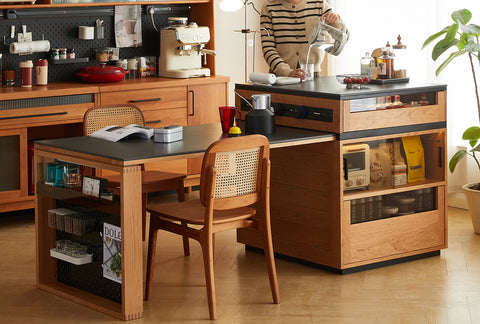
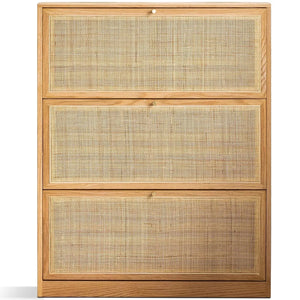
If you decide to replace cabinet doors entirely, consider whether you want to maintain the rattan or cane aesthetic or switch to a different material. For those committed to the natural texture and appearance, rattan storage solutions from quality suppliers like Loft Home Furniture offer modern interpretations of this classic material.
Styling Tips for Rattan & Cane Cabinet Doors
Once you've repaired and maintained your rattan and cane cabinet doors, you'll want to showcase them effectively in your space. Here are some design insights to highlight these beautiful natural elements:
Complementary Elements
Rattan and cane work beautifully with other natural materials. Consider pairing your cabinet doors with:
Natural wood tones in wooden tables or flooring. Textural elements like jute rugs, linen curtains, or pillow cushions with natural fabrics. Plants that echo the organic quality of the rattan or cane. The combination creates a cohesive, nature-inspired aesthetic that feels both timeless and contemporary.
Color Palettes
The natural honey tones of rattan and cane pair well with several color schemes:
Neutrals: Whites, creams, and beiges create a serene, spa-like atmosphere. Earth tones: Terracottas, olive greens, and warm browns enhance the natural feel. Blues and greens: Navy, teal, or sage provide beautiful contrast while maintaining an organic feel.
Lighting Considerations
Thoughtful lighting can highlight the texture and pattern of your rattan and cane cabinet doors. Consider:
Strategic accent lighting to cast interesting shadows that emphasize the woven patterns. Warm-toned lighting that enhances the natural color of the materials. Avoiding harsh direct lighting that might create excessive contrast or visual distortion of the patterns.
By combining proper care and maintenance with thoughtful styling, your rattan and cane cabinet doors can become standout features in your home, adding texture, warmth, and timeless appeal to any room.
Conclusion
Rattan and cane cabinet doors add distinctive character and natural warmth to home interiors, bridging traditional craftsmanship with contemporary design sensibilities. While these natural materials do require specific care and occasional maintenance, the beauty and texture they bring to your space make the effort worthwhile.
With the repair techniques, cleaning methods, and preventative maintenance strategies outlined in this guide, you can extend the life of your rattan and cane cabinet doors significantly. Remember that minor repairs addressed promptly can prevent more extensive damage, and regular cleaning and conditioning will preserve both the appearance and structural integrity of these natural fibers.
Whether you're restoring a vintage piece with cane detailing or maintaining newer rattan elements in your home, the time invested in proper care will reward you with furniture that maintains its beauty and functionality for generations. These natural materials develop a rich patina over time that only enhances their appeal, making them truly sustainable choices for thoughtful home design.
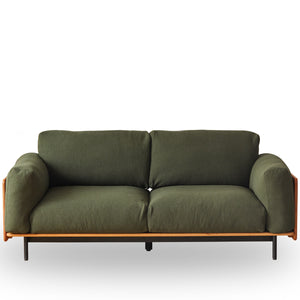
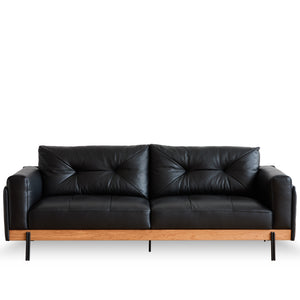
Ready to explore more natural material options for your home? Discover Loft Home Furniture's collection of premium rattan storage solutions and rattan sofas that blend timeless craftsmanship with contemporary design. Visit our website or our showroom at Gambas Crescent to see our full range of designer-inspired furniture at accessible prices.








Leave a comment