

































































































Rattan Care Kit: Complete Guide to Mold Prevention in 90% Humidity
Table Of Contents
- Understanding Rattan and Humidity
- Essential Components of a Rattan Care Kit
- Step-by-Step Rattan Cleaning Guide
- Preventative Maintenance Strategies
- Dealing with Existing Mold
- Seasonal Care Considerations in Singapore
- Natural vs. Commercial Cleaning Solutions
- Extending the Lifespan of Your Rattan Furniture
Living in Singapore's tropical climate means dealing with humidity levels that regularly soar to 90% and beyond. While this creates a lush, green environment, it also presents unique challenges for homeowners—particularly when it comes to maintaining rattan furniture. The natural beauty and lightweight durability of rattan make it a perfect choice for Singapore homes, but without proper care, high humidity can lead to mold growth, discoloration, and structural damage.
At Loft Home Furniture, we understand the delicate balance between enjoying the aesthetic appeal of rattan sofas and other rattan pieces while protecting them from Singapore's humid climate. Whether you've recently invested in a stunning rattan piece from our collection or are looking to preserve existing rattan furniture, this comprehensive guide will equip you with everything needed to prevent mold and maintain the beauty of your rattan furniture for years to come.
RATTAN CARE GUIDE
Protecting Your Furniture in Singapore's 90% Humidity
Why Rattan Needs Special Care
- Naturally porous material absorbs moisture from air
- Can develop mold in as little as 2-3 weeks in high humidity
- Fibers expand and contract with humidity changes
- Without proper care, can lead to structural damage
Essential Care Kit Components
- Cleaning: Soft brushes, microfiber cloths, mild soap
- Protection: Furniture oil (lemon/tung), clear polish with UV protection
- Prevention: Silica gel packets, hygrometer, dehumidifier
- Natural solutions: White vinegar, tea tree oil dilution
Maintenance Schedule
WEEKLY
- Gentle dusting with microfiber cloth
- Check for early signs of mold
MONTHLY
- Deep clean with mild soap solution
- Ensure complete drying after cleaning
QUARTERLY
- Apply protective oil treatment
- Check structural integrity
3-Step Mold Removal Process
Identify
Look for black, green, or white spots, especially in crevices and woven areas
Treat
Apply 1:1 white vinegar solution with soft brush, scrub gently along the grain
Protect
Thoroughly dry in well-ventilated area, then apply protective oil barrier
Monsoon Season Adjustments
- Increase cleaning frequency to every two weeks
- Apply protective treatments every six weeks
- Position furniture at least 10cm from walls for airflow
- Use dehumidifiers in rooms with rattan pieces
Target Humidity: 50-65%
Monitor with a hygrometer
Optimal Furniture Placement
AVOID
- Direct sunlight exposure
- Air conditioning vents
- Bathroom proximity
- Wall contact (condensation)
IDEAL
- Well-ventilated areas
- Consistent temperature zones
- Near ceiling fans for circulation
- Living areas with controlled humidity
SPACING
- 10cm minimum from walls
- Space between multiple pieces
- Elevate from floor if possible
- Allow air to circulate underneath
Rattan Lifespan with Proper Care
Quality rattan furniture with consistent maintenance can last 20+ years even in Singapore's high-humidity climate
Understanding Rattan and Humidity
Rattan is a naturally porous material harvested from palm species native to tropical regions. Its lightweight yet durable characteristics make it ideal for furniture, but these same properties also make it vulnerable in extremely humid environments. When humidity levels reach 90% or higher—common in Singapore—rattan absorbs moisture from the air, creating favorable conditions for mold and mildew growth.
This relationship between rattan and humidity is important to understand: unlike synthetic materials that repel moisture, rattan's natural fibers actually expand and contract with humidity fluctuations. This quality gives rattan its flexibility and comfort, but also requires special attention to prevent damage in Singapore's climate.
In environments with consistent high humidity, untreated rattan can begin showing signs of mold in as little as 2-3 weeks. The spores typically appear as dark spots, often starting in crevices and woven areas where air circulation is limited. Without intervention, these spots can spread quickly, leading to not only aesthetic issues but potential structural weakening of the furniture.
Essential Components of a Rattan Care Kit
Creating a dedicated rattan care kit will streamline your maintenance routine and ensure you have all necessary supplies on hand. Here's what your kit should include:
Cleaning Supplies
Begin with a soft-bristled brush or toothbrush for reaching between woven sections. Include microfiber cloths that won't snag on the rattan fibers, and prepare a gentle cleaning solution by mixing one tablespoon of mild dish soap with one liter of warm water. For deeper cleaning, keep white vinegar on hand—its natural acidity makes it effective against mold while being gentle on rattan.
Protective Products
A quality furniture oil specifically formulated for rattan is essential. Look for products containing natural oils like lemon oil or tung oil that nourish the fibers while creating a moisture barrier. Additionally, include a can of clear furniture polish with UV protection to shield your rattan from sun damage, particularly important for pieces placed near windows or in outdoor areas.
Mold Prevention Tools
Silica gel packets or dehumidifier bags should be placed near or under rattan furniture to absorb excess moisture. A small humidity meter (hygrometer) is also valuable for monitoring the conditions around your furniture, allowing you to take action before humidity levels become problematic. For larger rattan pieces or rooms with multiple rattan furniture items, consider a portable dehumidifier to maintain optimal humidity levels.
Step-by-Step Rattan Cleaning Guide
Regular cleaning is the foundation of effective rattan maintenance, especially in Singapore's climate. Follow this comprehensive process every 2-4 weeks:
Weekly Dusting
Begin with gentle dusting using a microfiber cloth or a vacuum with a soft brush attachment on low power. Pay special attention to the woven sections where dust accumulates. For rattan sofas, remove cushions first and vacuum all surfaces, including underneath and behind the piece where air circulation may be limited.
Deep Cleaning Process
For monthly deep cleaning, begin by testing your cleaning solution on an inconspicuous area. Then dip your soft brush in the soapy water, shake off excess moisture, and gently scrub the rattan in the direction of the grain. Follow with a clean, slightly damp cloth to remove soap residue. The key is controlling moisture—the rattan should be only slightly damp during cleaning, never saturated.
After cleaning, position the furniture in a well-ventilated area to dry completely. You can use fans to accelerate drying time, which is crucial in Singapore's humid environment. Avoid placing freshly cleaned rattan in direct sunlight, as this can cause uneven drying and potential warping.
Applying Protective Treatments
Once your rattan furniture is completely dry, apply a thin layer of furniture oil using a soft cloth. Work in the direction of the grain, ensuring even coverage with special attention to joints and crevices. Allow the oil to penetrate for 15-20 minutes, then buff with a clean cloth to remove excess. This treatment should be applied quarterly, or more frequently for pieces in particularly humid areas.
Preventative Maintenance Strategies
Prevention is always more effective than remediation when it comes to rattan care. Implement these strategies to minimize moisture-related issues:
Optimal Placement
Position rattan furniture away from areas with extreme humidity fluctuations. Avoid placing rattan pieces directly against walls where condensation might occur, and ensure at least 10cm of space for air circulation. For homes with multiple rattan chairs or other pieces, arrange them with sufficient spacing to allow airflow around all sides.
Climate Control Methods
Maintaining consistent indoor humidity is essential. While Singapore's climate makes this challenging, aim to keep indoor humidity between 50-65% when possible. Use air conditioning strategically, especially during monsoon seasons when humidity peaks. For homes without extensive air conditioning, consider running dehumidifiers for a few hours daily in rooms with rattan furniture.
Ceiling fans can significantly improve air circulation, helping to prevent moisture from settling on rattan surfaces. For particularly valuable pieces like artisanal rattan bed frames, consider humidity-controlled storage solutions during extremely wet seasons if they're not in regular use.
Dealing with Existing Mold
Despite best prevention efforts, mold may still develop on rattan furniture in Singapore's climate. When this occurs, prompt action is essential:
Identifying Mold Growth
Mold on rattan typically appears as small black, green, or white spots that may be fuzzy or powdery in texture. Early detection is crucial—check your furniture weekly, paying special attention to undersides, cushion contact areas, and intricate woven sections where air circulation is limited.
Safe Mold Removal Techniques
For light mold, create a solution of one part white vinegar to one part water. Using a soft brush, gently apply this mixture to affected areas and scrub carefully along the grain. For more established mold, you may need to increase the vinegar concentration or consider commercial mold removers specifically formulated for natural fibers.
After treatment, it's essential to dry the furniture thoroughly—ideally in sunshine if possible, as UV rays have natural antimicrobial properties. Once dry, apply a preventative oil treatment to create a moisture barrier that will help prevent future mold growth.
Seasonal Care Considerations in Singapore
Singapore's climate patterns require adjusting your rattan care routine throughout the year:
Monsoon Season Preparations
During Singapore's wettest months (November to January), increase your cleaning frequency to every two weeks. Apply protective oil treatments more frequently—every six weeks rather than quarterly. Consider supplementary dehumidification methods during this period, such as moisture-absorbing products placed near or under furniture.
Dry Season Adjustments
During drier periods, while humidity remains high by global standards, rattan may still benefit from occasional light misting—particularly if air conditioning is running constantly. This prevents the fibers from becoming too brittle. Continue regular dusting but reduce deep cleaning to monthly sessions during these relatively drier periods.
Natural vs. Commercial Cleaning Solutions
Both natural and commercial products have their place in rattan care:
Effective Natural Remedies
Beyond vinegar, other natural options include a paste made from baking soda and water for spot treatments, or a solution of one part lemon juice to one part olive oil as a natural polish. Tea tree oil diluted in water (10 drops per liter) offers natural antifungal properties particularly suited to Singapore's humid conditions. These natural solutions are gentle on rattan fibers while being environmentally friendly.
Recommended Commercial Products
When selecting commercial rattan cleaners, look for pH-balanced formulas specifically designed for natural fibers. Avoid harsh chemicals like bleach or ammonia that can damage rattan's structure. For protective treatments, specialized rattan sealants create effective moisture barriers without the need for frequent reapplication—ideal for busy households or particularly humid environments.
Extending the Lifespan of Your Rattan Furniture
With proper care, quality rattan furniture can last for decades, even in Singapore's challenging climate:
Professional Maintenance Services
Consider professional cleaning and restoration annually, particularly for antique or high-value pieces. Professional services can reach deeper into the rattan's structure and often have specialized treatments that provide longer-lasting protection against humidity damage.
When to Refinish or Repair
Watch for signs that your rattan furniture needs refinishing—including persistent discoloration, visible wearing of protective coatings, or increased water absorption. Minor structural issues should be addressed promptly before humidity causes further deterioration. Small breaks can be repaired with specialized rattan glue and matching binding materials, potentially extending your furniture's lifespan by many years.
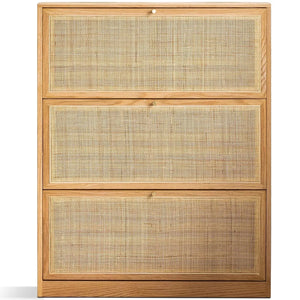
For valuable pieces from collections like our rattan storages line, periodic refinishing every 3-5 years helps maintain both structural integrity and aesthetic appeal, ensuring these pieces remain functional and beautiful despite Singapore's challenging climate conditions.
Maintaining Rattan Beauty in Singapore's Climate
Living with rattan furniture in Singapore's high-humidity environment requires dedication to regular maintenance, but the rewards are substantial. With proper care, your rattan pieces will not only remain structurally sound but will develop a rich patina over time that enhances their natural beauty.
The key principles to remember are consistent cleaning, proper positioning, humidity control, and timely intervention when issues arise. By incorporating these practices into your regular home maintenance routine, you'll ensure your rattan furniture remains a stunning and durable element in your home décor for years to come.
At Loft Home Furniture, we're committed to helping our customers enjoy beautiful, lasting furniture that stands up to Singapore's unique climate challenges. Our collection of premium rattan pieces is selected not only for their aesthetic appeal but also for their quality construction that, when properly maintained, will provide exceptional durability even in high-humidity environments.
Visit Loft Home Furniture to explore our complete collection of quality rattan furniture designed to bring natural elegance to your Singapore home. Our furniture specialists can provide additional advice on selecting rattan pieces that best suit your specific living environment and maintenance preferences.






Leave a comment