












































































Round Extendable Tables: Best for Small Condo Corners
Table Of Contents
- Why Round Tables Work Better in Tight Corners
- The Extendable Advantage: Flexibility for Singapore Living
- Choosing the Right Round Extendable Table
- Corner Placement Tips That Maximize Space
- Styling Your Round Dining Space
- Material Matters: What Works Best for Small Spaces
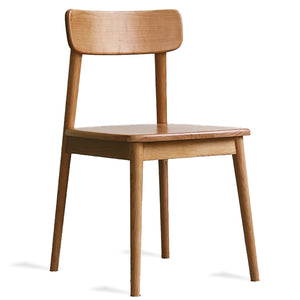
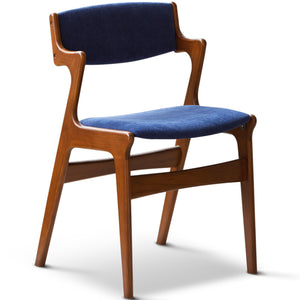
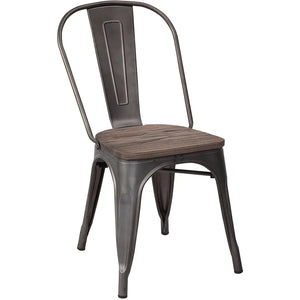
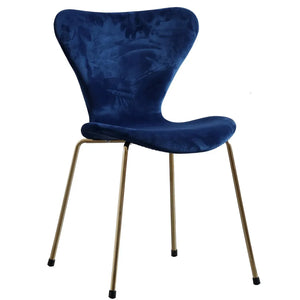
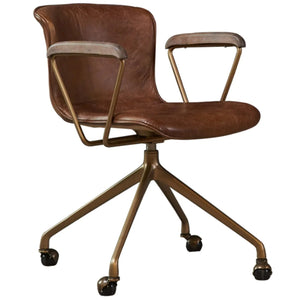
- Pairing Chairs with Your Round Table
- Keeping Your Extendable Table in Perfect Condition
Living in a Singapore condo often means making smart choices about every square foot. That awkward corner in your dining area? It's not wasted space—it's prime real estate waiting for the right furniture piece. Round extendable tables have become the go-to solution for homeowners who refuse to compromise between everyday functionality and entertaining capability.
Unlike their rectangular counterparts that demand centered placement and dedicated floor area, round tables nestle beautifully into corners while maintaining their social appeal. When guests arrive, the extendable feature transforms your intimate two-seater into a proper dining setup without permanently claiming valuable space. This flexibility resonates deeply with Singapore's compact living reality, where a 700-square-foot condo needs to accommodate daily meals, work-from-home setups, and occasional dinner parties.
In this guide, we'll explore why round extendable tables outperform traditional dining furniture in small corners, how to select the perfect piece for your space, and the styling secrets that make these versatile tables look intentional rather than compromised. Whether you're furnishing your first BTO or upgrading your executive condo, understanding these principles will help you create a dining area that's both beautiful and brilliantly functional.
Why Round Tables Work Better in Tight Corners
The geometry of round tables creates inherent advantages for corner placement that rectangular designs simply cannot match. Without sharp corners jutting into walkways, a round table allows smoother traffic flow around its perimeter—crucial when you're navigating between your kitchen and living area in a compact condo layout.
This circular design eliminates the "head of the table" hierarchy, making every seat equally accessible and comfortable. In a corner position, this means you can tuck the table closer to walls without creating awkward "trapped" seats that guests struggle to reach. The curved edge maintains comfortable seating access from all angles, unlike rectangular tables where corner seats become problematic when pushed against walls.
Round tables also create a more intimate dining experience, bringing everyone closer together. In Singapore's social dining culture where sharing dishes is common, this proximity makes serving and conversation flow more naturally. The lack of corners means you can comfortably seat one more person in a pinch—something particularly valuable during festive gatherings when relatives visit.
Space efficiency becomes apparent when you measure actual floor coverage. A round table seating four typically requires less total area than a rectangular equivalent, and when positioned in a corner, it utilizes space that would otherwise remain empty. This is especially valuable in L-shaped living-dining configurations common in modern condos.
The Extendable Advantage: Flexibility for Singapore Living
The extendable mechanism transforms your dining table from a space-saving everyday piece into an entertainment-ready centerpiece. This dual functionality eliminates the need to choose between daily practicality and hosting capability—you simply adjust based on your current needs.
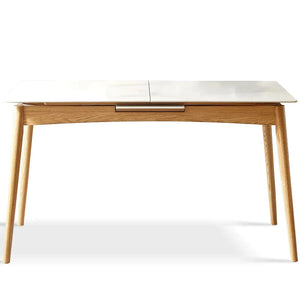
Modern extension systems have evolved significantly from the cumbersome add-a-leaf designs of the past. Today's extendable tables feature smooth mechanisms that one person can operate in seconds. Some use butterfly leaf systems that fold and store within the table itself, while others employ ingenious sliding mechanisms that maintain the table's aesthetic integrity when collapsed.
For Singapore households, this flexibility addresses a specific lifestyle pattern: intimate family dinners on weeknights, expanded gatherings on weekends, and special occasion hosting during festivals. Rather than permanently dedicating floor space to maximum seating capacity you use occasionally, an extendable table right-sizes itself to daily life while remaining ready for company.
Financial practicality matters too. Instead of purchasing both a small everyday table and a larger entertaining piece, one well-chosen extendable table serves both purposes. This consolidated approach not only saves money but also eliminates the storage challenge of keeping a second table for occasional use—a luxury most condo dwellers cannot afford.
Common Extension Mechanisms
- Butterfly Leaf: A hidden leaf folds up from beneath the table surface, expanding the diameter while maintaining the round shape
- Drop Leaf: Semi-circular sections flip up from the sides, converting a round table to an oval shape with increased seating
- Insert Leaf: The table separates at the center, allowing you to insert additional sections before rejoining the halves
- Sliding Track: The tabletop slides apart along concealed tracks, revealing stored leaves that lift into position
Choosing the Right Round Extendable Table
Selecting the perfect table requires balancing multiple factors—size, mechanism type, aesthetic appeal, and practical durability. Start by measuring your designated corner space, accounting not just for the table footprint but for comfortable chair clearance. Design experts recommend 36 inches from the table edge to the nearest wall or obstacle, though 30 inches can work in especially tight quarters.
When collapsed, your table should accommodate your household's daily needs comfortably. A general rule: allow 24 inches of circumference per person for comfortable dining. A 40-inch diameter table seats four people comfortably for everyday meals, while a 48-inch version provides more generous spacing or accommodates five.
The extended size deserves equal consideration. Measure your space with the table fully expanded—can you still navigate around it reasonably? Will extended leaves block doorways or interfere with other furniture? Some tables extend from seating four to eight people, but ensure your room can actually handle that configuration for the few times you'll use it.
Mechanism quality separates tables that last from those that frustrate. Test the extension system in the showroom before purchasing. It should operate smoothly without requiring excessive force, and leaves should lock securely with no wobble when extended. Check that the expanded table feels stable—some poorly designed mechanisms create flex or instability when weight is applied to the added sections.
Size Recommendations for Common Condo Layouts
- Studio or 1-BR (500-650 sq ft): 36-40 inch diameter, extending to 48-52 inches
- 2-BR (650-850 sq ft): 42-48 inch diameter, extending to 54-60 inches
- 3-BR (850-1,100 sq ft): 48-54 inch diameter, extending to 60-72 inches
- 4-BR or larger (1,100+ sq ft): 54-60 inch diameter, extending to 72-84 inches
Corner Placement Tips That Maximize Space
Strategic placement transforms a good table into a perfect room solution. In corner positioning, resist the urge to push the table completely into the corner—you'll create awkward seating that guests avoid. Instead, position the table so its edge sits 18-24 inches from each wall, allowing chairs to pull out comfortably while still reading as a corner arrangement.
Consider sightlines from your main living area. A thoughtfully placed dining table should integrate visually with your overall space rather than appearing crammed into leftover area. If your corner faces the living room, this visibility becomes a design opportunity—the table and chairs should complement your broader aesthetic.
Lighting placement matters enormously but often gets overlooked. A pendant light centered over your table when collapsed might hang awkwardly off-center when extended. Opt for adjustable fixtures or consider the extended position as your centering reference if you entertain frequently. Some homeowners solve this with track lighting or multiple smaller pendants that illuminate the entire potential table area.
Traffic flow patterns should guide final positioning. Walk through your typical movements: kitchen to living room, entrance to bedroom, balcony access. Your table placement shouldn't create obstacles in these pathways. Sometimes shifting a table 12 inches in any direction dramatically improves daily circulation while maintaining the corner-placement benefits.
The Corner Dining Zone Checklist
- Minimum 30 inches clearance from table edge to walls or furniture
- Clear pathway of at least 36 inches for main traffic routes
- Adequate lighting coverage for both collapsed and extended positions
- Easy access to kitchen or serving area without crossing main living space
- Visual harmony with adjacent furniture and décor elements
Styling Your Round Dining Space
A round table in a corner creates unique styling opportunities that rectangular setups cannot replicate. The curved form softens the geometric angles of the corner, creating visual interest through contrast. This organic shape allows you to introduce flowing design elements that balance the architectural linearity of walls and windows.
Anchor your corner dining zone with a thoughtfully sized rug. For round tables, choose a round or square rug that extends at least 24 inches beyond the table edge on all sides—this ensures chairs remain on the rug when pulled out. In corner placements, you might angle a square rug or use a round rug that appears to "float" the table away from the walls, reinforcing the intentional nature of the arrangement.
Wall décor transforms a corner table from afterthought to focal point. Consider a statement art piece or mirror on one of the adjacent walls, positioned to create visual weight that anchors the dining zone. A mirror particularly benefits corner placements by reflecting light and creating the illusion of expanded space—valuable in compact condos.
Centerpiece strategy differs for extendable tables. Avoid tall, elaborate arrangements that must be relocated when extending the table. Instead, opt for low-profile décor: a simple bowl, a cluster of candles, or a small plant collection. Some homeowners maintain a "centerpiece drawer" in nearby storage furniture, making it easy to clear the table for extension without hunting for places to temporarily stash décor items.
Styling Elements for Corner Dining Zones
- Layered Lighting: Combine a statement pendant with wall sconces or a nearby floor lamp for adjustable ambiance
- Floating Shelves: Install on adjacent walls to display serving pieces or decorative items, adding functional storage
- Plants and Greenery: A tall plant in the corner behind the table adds height and softens the junction of walls
- Textural Contrast: If your table is smooth wood or stone, introduce texture through woven placemats or fabric chair cushions
- Color Coordination: Echo your table's finish in other room elements to create visual cohesion
Material Matters: What Works Best for Small Spaces
Material selection impacts both aesthetics and practicality in corner dining setups. The right choice depends on your lifestyle, maintenance tolerance, and design preferences. Each material brings distinct advantages to small-space living.
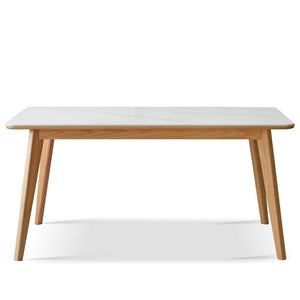
Sintered stone has emerged as a premium choice for Singapore homes. This engineered material resists heat, stains, and scratches while offering luxurious marble-like aesthetics. Sintered stone tables maintain their appearance despite Singapore's humidity, and they're remarkably easy to clean—crucial when table surface area is limited and spills inevitable. The material's durability justifies the investment for families who use their dining table heavily.
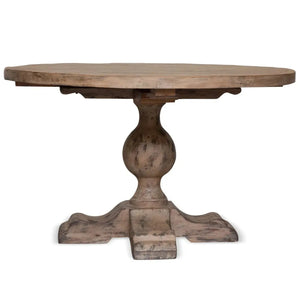
Solid wood brings warmth and timeless appeal to corner dining zones. Options like oak, walnut, and rubberwood develop character over time, with minor wear contributing to a lived-in aesthetic many homeowners love. Wooden tables work particularly well in Scandinavian, Japandi, or minimalist interiors. However, wood requires more maintenance in Singapore's climate—regular conditioning prevents drying and cracking, and coasters become non-negotiable to prevent ring marks.
Tempered glass creates visual lightness that benefits small spaces. The transparent surface doesn't visually claim floor space the way solid materials do, making rooms feel larger. Glass tables pair beautifully with contemporary and modern design schemes. The practical downsides include visible fingerprints requiring frequent cleaning and the colder, harder surface that some find less inviting for extended meals.
Marble and luxury stone options deliver undeniable elegance. Marble tables and travertine stone tables create sophisticated focal points in corner placements. Natural stone's unique veining ensures your table is genuinely one-of-a-kind. These materials require sealing and careful maintenance to prevent staining, making them better suited to households without young children or for those committed to protective measures like placemats and immediate spill cleanup.
Pairing Chairs with Your Round Table
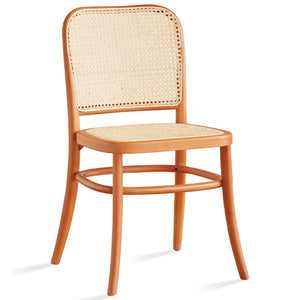
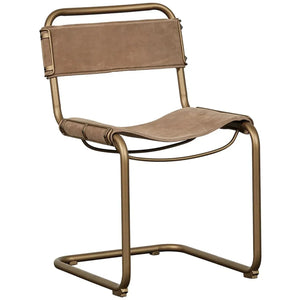
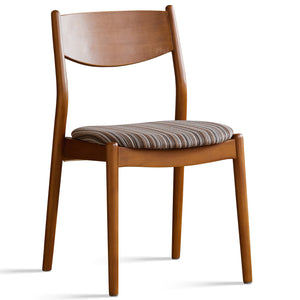
Chair selection dramatically impacts how your corner dining zone functions and feels. With round tables, you have more flexibility than rectangular setups—the curved edge means chairs don't need to align perfectly, allowing for mixing styles or quantities.
For everyday use around your collapsed table, consider the number of chairs carefully. Four chairs for a four-person table is standard, but in tight corners, some homeowners opt for three chairs plus a small bench that tucks completely under the table when not in use. This configuration maximizes floor space while maintaining flexibility.
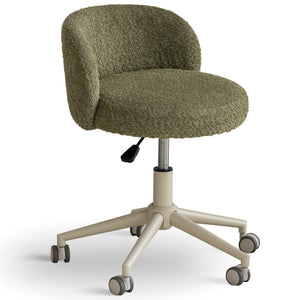
When the table extends, where do additional chairs live? This practical question deserves consideration before purchase. Some solutions include stackable chairs that nest in a closet, foldable chairs that hang on wall hooks, or attractive dining chairs that serve double duty as desk chairs or accent seating in bedrooms when not needed at the table.
Scale proportions matter more with round tables. The chairs should relate visually to the table's curved form—overly bulky chairs overwhelm small round tables, while delicate chairs can look lost around substantial tables. Test the visual balance in person when possible, ensuring the complete dining set feels cohesive.
Chair Features for Corner Dining
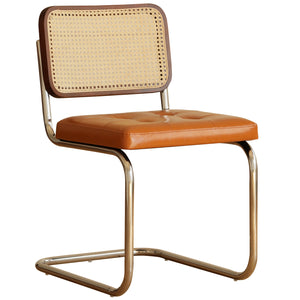
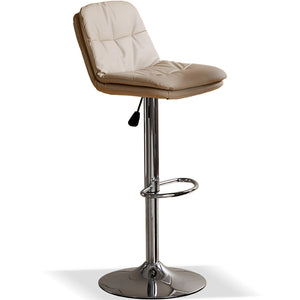
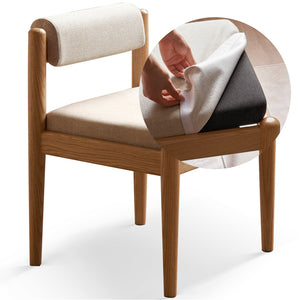
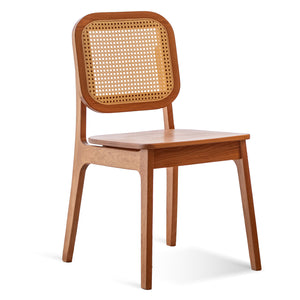
- Armless Designs: Chairs without arms tuck completely under round tables, maximizing space when not in use
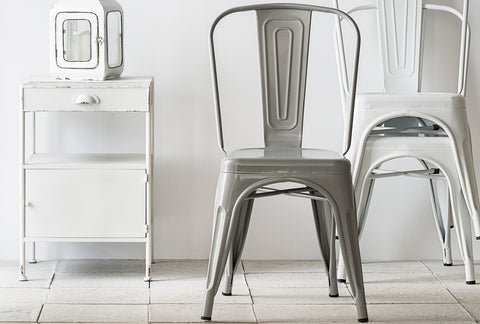
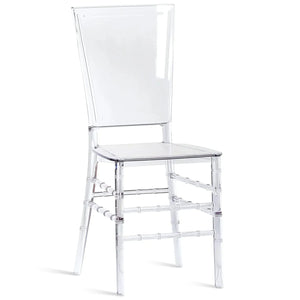
- Visual Weight: Consider transparent or light-colored chairs that don't visually clutter your corner zone
- Comfortable Backs: Since corner seating often means extended meals and conversation, prioritize comfort over pure aesthetics
- Easy Mobility: Chairs should slide smoothly on your flooring type without being so light they feel unstable
Keeping Your Extendable Table in Perfect Condition
The extension mechanism requires periodic attention to maintain smooth operation. Approximately every six months, clean the tracks, slides, or hinges depending on your table's system. Remove any accumulated dust or debris, then apply a small amount of appropriate lubricant—furniture wax for wood components, or silicone spray for metal mechanisms. This simple maintenance prevents the frustrating resistance that develops when mechanisms are neglected.
When extending or collapsing your table, support the leaves properly throughout the motion. Don't force mechanisms that resist—check for obstructions and ensure you're following the correct sequence of operations. Some systems require unlocking before sliding, or lifting before rotating. Consult your manufacturer's instructions and keep them accessible for household members who might use the table infrequently.
Surface care depends on your table's material. For most finishes, use coasters religiously and clean spills immediately. Hot dishes require trivets or heat-resistant mats, even on supposedly heat-resistant surfaces—temperature extremes can damage finishes over time. Avoid dragging objects across the surface, which creates micro-scratches that accumulate into visible wear.
Humidity management particularly matters for wooden tables in Singapore's climate. Maintain consistent indoor humidity using air conditioning or dehumidifiers. Extreme humidity fluctuations cause wood to expand and contract, potentially affecting the fit of extension mechanisms and creating gaps or sticking issues. If your table has removable leaves stored separately, keep them in the same climate-controlled environment as the main table.
Quick Maintenance Schedule
- Daily: Wipe surface with appropriate cleaner; use coasters and placemats
- Weekly: Vacuum or sweep underneath and around table legs; dust chair backs and legs
- Monthly: Operate extension mechanism to prevent seizing; check all hardware for tightness
- Quarterly: Deep clean mechanism tracks; condition wood surfaces if applicable
- Annually: Professional inspection of mechanism if heavily used; reseal stone surfaces as needed
Your corner dining zone represents one of your condo's hardest-working areas. A round extendable table maximizes this space's potential, adapting to daily routines while remaining ready for special occasions. The initial investment in a quality piece pays dividends through years of flexible functionality—morning coffee for two, family dinners for four, celebration meals for eight, all from the same thoughtfully chosen table.
The key lies in selecting a table that matches your specific space constraints, lifestyle patterns, and aesthetic preferences. Measure carefully, test mechanisms thoroughly, and choose materials that align with your maintenance willingness. When these elements align, your corner dining zone becomes a source of daily satisfaction rather than a compromise necessitated by limited space.
Round extendable tables solve one of Singapore condo living's most persistent challenges: creating functional dining areas without sacrificing precious floor space. Their curved forms nestle naturally into corners while maintaining social accessibility, and their extendable mechanisms provide entertaining flexibility without permanent spatial commitment.
The difference between a corner that feels like leftover space and one that feels intentionally designed often comes down to furniture selection. A well-chosen round extendable table transforms awkward areas into inviting gathering spots that serve your household beautifully every single day. As Singapore's compact living trend continues, this furniture category will only grow more relevant—offering the adaptability that modern urban living demands.
Whether you're furnishing your first home or optimizing a long-term residence, investing in a quality round extendable table delivers returns that extend far beyond the dining experience. It's about reclaiming space, enabling hospitality, and proving that small-footprint living doesn't mean compromising on the experiences that make a house feel like home.
Ready to Transform Your Corner Dining Space?
Explore Loft Home's curated collection of round extendable tables designed specifically for Singapore living. From contemporary sintered stone designs to warm wooden classics, find the perfect piece that balances style, function, and space efficiency.
Shop Dining Tables NowEnjoy professional delivery, 30-day returns, and our price-match guarantee on all furniture.



Leave a comment