



































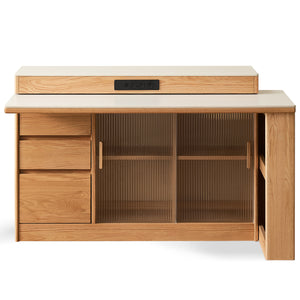


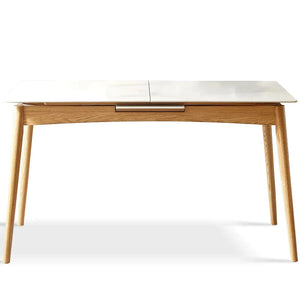











































Statement Stone Sideboards: Choosing Between Onyx, Marble or Sintered Stone
Table Of Contents
- Introduction
- What Are Statement Stone Sideboards?
- Onyx Sideboards: Translucent Luxury
- Marble Sideboards: Timeless Elegance
- Sintered Stone Sideboards: Modern Durability
- Comparing Stone Types: Which is Right for You?
- Styling Tips for Stone Sideboards in Different Spaces
- Maintenance and Care for Stone Sideboards
- Conclusion
The sideboard, once a purely functional storage piece, has evolved into one of the most striking statement pieces in contemporary interior design. Among the various materials available today, stone sideboards—crafted from onyx, marble, or sintered stone—stand apart as true works of art that combine functionality with unparalleled aesthetic appeal.
Stone sideboards don't merely serve as storage solutions; they anchor a room, create visual interest, and elevate your interior design from ordinary to extraordinary. The natural patterns, rich textures, and timeless quality of stone make these pieces investment-worthy additions to any Singapore home.
If you're considering a statement stone sideboard but find yourself wondering about the differences between onyx, marble, and sintered stone options, this comprehensive guide will walk you through everything you need to know—from the unique characteristics of each material to practical considerations about durability, maintenance, and styling.
Statement Stone Sideboards Guide
Discover the perfect statement stone sideboard for your Singapore home
Onyx
Translucent Luxury
- Distinctive: Semi-translucent with dramatic flowing patterns
- Special Feature: Can be backlit for ethereal glow effect
- Durability: Most delicate option, requires careful maintenance
- Best For: Low-traffic showcase areas
Marble
Timeless Elegance
- Distinctive: Classic veining with sophisticated character
- Special Feature: Develops beautiful patina over time
- Durability: Moderate, requires annual sealing
- Best For: Versatile use across design styles
Sintered Stone
Modern Durability
- Distinctive: Engineered for consistency and durability
- Special Feature: Non-porous, stain and scratch resistant
- Durability: Exceptional, minimal maintenance required
- Best For: High-use areas and busy households
| Feature | Onyx | Marble | Sintered Stone |
|---|---|---|---|
| Maintenance | High (6-12 month sealing) | Medium (annual sealing) | Low (no sealing required) |
| Visual Impact | Dramatic & Theatrical | Classic & Elegant | Contemporary & Consistent |
| Stain Resistance | Low | Medium | High |
| Price Point | Premium | Mid to Premium | Mid-Range |
| Ideal Location | Formal entertainment spaces | Versatile across settings | High-traffic family areas |
Styling Your Statement Stone Sideboard
In the Dining Room
Position perpendicular to your dining table with symmetrical lighting. Create balance with carefully curated serveware and decorative pieces that complement your stone's natural colors.
In the Living Room
Balance technology with organic elements that complement your stone's character. Consider sculptural plants, artisanal ceramics, or curated books to create visual harmony.
In the Entryway
Make a powerful first impression with a statement mirror above your sideboard. Add warm ambient lighting and an edited collection of meaningful objects for functionality and style.
Essential Care Tips
Daily Maintenance
Dust regularly with a soft cloth. Clean with mild, pH-neutral soap and water. Address spills immediately by blotting, not wiping.
Protection
Use coasters, trivets, and placemats. Apply appropriate sealants for natural stone. Position away from areas with high moisture or condensation.
When selecting a stone sideboard, balance visual impact with practical considerations about maintenance and how you'll use the piece in your Singapore home.
What Are Statement Stone Sideboards?
Statement stone sideboards are furniture pieces that feature natural or engineered stone as their primary surface material—typically on the top, but sometimes extending to the façade or structural elements. Unlike conventional wooden or metal sideboards, stone sideboards command attention through their distinctive veining, color variations, and light-reflecting properties.
These pieces serve multiple functions in modern homes: they provide essential storage in dining rooms, living areas, or entryways; they display decorative objects; and they act as serving surfaces during gatherings. However, what truly sets them apart is their ability to transform a room's ambiance through the inherent beauty and presence of stone.
Stone sideboards are available in various designs, from minimalist contemporary pieces with clean lines to more elaborate designs that showcase the stone's natural characteristics. Many luxury homes in Singapore now feature these stone statements as centerpieces in their design schemes, creating visual anchors that define the character of entire rooms.
Onyx Sideboards: Translucent Luxury
Onyx stands as perhaps the most dramatic option among stone sideboard materials, offering a theatrical presence that few other natural materials can match. This semi-precious stone is distinguished by its translucent quality, allowing light to penetrate its surface and creating an ethereal, backlit effect when properly illuminated.
Distinctive Characteristics of Onyx
Onyx is a variety of chalcedony, a crystalline form of silica. What makes it truly special is its banded appearance and exceptional translucency. The stone forms when water containing minerals slowly drips and deposits these minerals in caves, creating distinctive layers that capture its formation history. This process results in striking, fluid-like patterns that seem to flow across the surface.
The color palette of onyx is breathtaking—ranging from honey ambers and creamy whites to rich greens and dramatic blacks. Each piece is unique, with distinctive veining and color transitions that cannot be precisely replicated, ensuring that your onyx sideboard is truly one-of-a-kind.
Advantages of Onyx Sideboards
The most captivating quality of onyx is undoubtedly its interaction with light. When paired with strategic lighting (either from beneath or behind), onyx transforms into a luminous, glowing statement that changes character from day to night. This quality makes onyx sideboards particularly spectacular in entertaining spaces where ambient lighting plays a significant role.
Beyond its visual impact, onyx offers a sense of exclusivity. Its relative rarity and the complexity involved in working with this delicate stone make onyx sideboards luxury pieces that signal refined taste and appreciation for natural materials.
Considerations for Onyx
While visually stunning, onyx requires careful consideration. It ranks lower on the hardness scale compared to other stone options, making it more susceptible to scratches and damage. Additionally, its porous nature means it requires proper sealing to prevent staining, particularly in dining areas where spills may occur.
Onyx sideboards also represent a significant investment due to the material's rarity and the craftsmanship required to work with it. However, for those seeking a truly showstopping piece that transforms space through its interaction with light, few materials can rival onyx's theatrical presence.
Marble Sideboards: Timeless Elegance
Marble has been synonymous with luxury and refinement for millennia, adorning everything from ancient temples to modern penthouses. As a material for sideboards, marble brings classical elegance and sophisticated character that has proven timeless across countless design trends and eras.
Distinctive Characteristics of Marble
Marble is a metamorphic stone composed primarily of recrystallized carbonate minerals. Its formation process, involving extreme heat and pressure deep within the earth, creates the distinctive veining patterns that have captivated designers and homeowners throughout history.
The stone is available in a stunning array of varieties, from the pristine whites of Carrara and Calacatta to the dramatic blacks of Nero Marquina and the warm honey tones of Emperador. Each marble variety offers unique veining patterns, color variations, and character, allowing you to select a sideboard that perfectly complements your interior design vision.
Advantages of Marble Sideboards
Marble's enduring appeal lies in its unmatched elegance and versatility. While it certainly makes a statement, marble possesses a chameleon-like quality that allows it to complement virtually any design aesthetic. Whether in a contemporary minimalist apartment, a traditional colonial bungalow, or a Scandinavian-inspired space, marble sideboards integrate seamlessly while elevating the overall design.
The material's natural cooling properties also make marble sideboards practical choices for Singapore's climate, particularly when used for serving or displaying temperature-sensitive items. Additionally, well-maintained marble develops a patina over time that adds character and depth, allowing the piece to evolve beautifully as it ages.
Considerations for Marble
Despite its many virtues, marble requires thoughtful care. The stone is susceptible to etching when exposed to acidic substances (like citrus juices or wine), and its porosity means proper sealing is essential to prevent staining. Regular maintenance is necessary to preserve its beauty, particularly in high-use areas.
Marble is also a relatively heavy material, which means your sideboard will likely be a permanent fixture once positioned. However, for many homeowners, these considerations are far outweighed by marble's timeless beauty and the way it elevates any space it occupies.
Sintered Stone Sideboards: Modern Durability
Sintered stone represents the cutting edge of stone technology, offering a compelling alternative to natural stone that combines aesthetic appeal with remarkable practical benefits. For the modern Singapore home where both style and functionality are priorities, sintered stone sideboards provide an innovative solution.
What is Sintered Stone?
Unlike marble and onyx which form naturally over millennia, sintered stone is engineered through a sophisticated manufacturing process that mimics the natural formation of stone but accelerates it dramatically. Raw materials similar to those found in natural stone are exposed to extreme heat and pressure, causing them to undergo a transformation called sintering.
This process creates a dense, non-porous material that can be manufactured to resemble natural stones like marble and onyx, or created with entirely unique patterns and colors not found in nature. Leading brands like Dekton, Neolith, and Lapitec have pioneered this technology, offering an expanding range of design possibilities.
Advantages of Sintered Stone Sideboards
The primary advantage of sintered stone is its exceptional durability and resistance to the challenges that affect natural stone. It is virtually non-porous, making it highly resistant to staining—a significant benefit for sideboards that may be used for serving or in high-traffic areas of the home.
Sintered stone also boasts impressive scratch resistance, can withstand high temperatures, and is UV stable, meaning it won't fade even when placed near windows with direct sunlight—a common concern in bright Singapore apartments. These practical benefits make sintered stone sideboards particularly well-suited to busy households where beauty must be balanced with functionality.
From a design perspective, sintered stone offers consistent patterning that can be controlled during manufacturing. This allows for book-matched effects and seamless integration across larger surfaces, creating a cohesive look that's difficult to achieve with natural stone's inherent variations.
Considerations for Sintered Stone
While sintered stone addresses many practical concerns, some design purists prefer the unique, one-of-a-kind quality of natural stone with its inherent variations and character. Sintered stone, despite its advanced manufacturing, cannot fully replicate the depth and subtle variations found in stones formed over thousands of years.
Additionally, while the technology continues to advance rapidly, the range of appearances available in sintered stone is still more limited than the vast diversity found in natural marble or onyx. However, for many homeowners, the practical benefits and consistent appearance outweigh these considerations.
Comparing Stone Types: Which is Right for You?
Selecting between onyx, marble, and sintered stone involves balancing aesthetic preferences with practical considerations about how you'll use your sideboard and your lifestyle needs. Here's a comparative breakdown to help guide your decision:
Durability and Maintenance
Onyx: The most delicate of the three options, onyx requires careful handling and regular maintenance. It's best suited for low-traffic areas where it won't face heavy use or potential impacts. Proper sealing is essential, and cleaning should be done with gentle, pH-neutral products.
Marble: More durable than onyx but still requiring attentive care, marble sideboards need regular sealing (typically annually) and prompt cleaning of spills to prevent staining or etching. With proper maintenance, however, marble can last for generations while developing a beautiful patina.
Sintered Stone: Offering superior durability, sintered stone requires minimal maintenance and can withstand challenges that would damage natural stone. It doesn't need sealing and can be cleaned with standard household products, making it ideal for busy households or areas where the sideboard will see frequent use.
Aesthetic Impact
Onyx: Creates the most dramatic visual impact, particularly when backlit. Its translucent quality and flowing patterns make it an artistic showpiece that becomes a room's focal point. Ideal for those seeking a truly unique, conversation-starting piece.
Marble: Offers timeless elegance with its classic veining patterns. Marble sideboards provide sophisticated impact while remaining versatile enough to complement various design styles from contemporary to traditional.
Sintered Stone: Provides a clean, consistent appearance with the ability to mimic natural stones or create entirely new aesthetics. Its uniform appearance makes it well-suited to minimalist and modern design schemes where precision matters.
Investment and Value
Onyx: Generally the most expensive option due to its rarity and the craftsmanship required to work with this delicate material. An onyx sideboard represents a significant investment but offers unmatched visual drama.
Marble: Typically mid-range in pricing (though certain rare varieties can exceed onyx in cost). Marble offers excellent value considering its timelessness and enduring appeal, which allows it to maintain its allure despite changing design trends.
Sintered Stone: Often the most accessible option price-wise, particularly when considering its durability and low maintenance requirements. The total cost of ownership over time makes sintered stone an economical choice for many homeowners.
Your final decision should balance these factors against how you plan to use the sideboard. For a rarely-used statement piece in a formal dining room, the visual impact of onyx might be worth the extra care required. For a busy family home where the sideboard will see daily use, sintered stone's practicality might be the deciding factor.
Styling Tips for Stone Sideboards in Different Spaces
A stone sideboard makes a powerful statement on its own, but thoughtful styling enhances its impact while integrating it into your overall design scheme. Here are tailored recommendations for incorporating stone sideboards into different rooms of your Singapore home:
In the Dining Room
In dining spaces, sideboards traditionally serve both decorative and functional purposes. Position your stone sideboard against a wall opposite or perpendicular to your dining table to create balance while providing a serving surface during gatherings.
Style the top with a mix of practical and decorative elements—perhaps a pair of substantial table lamps at each end to create symmetry, with a carefully curated arrangement of serving pieces or decorative objects between them. Consider how the stone's colors can be echoed in your accessories: a white marble sideboard might be complemented by metallic accents in silver or brass, while warm-toned onyx pairs beautifully with copper or gold elements.
If your stone sideboard features particularly striking patterns, consider keeping wall décor minimal above it, allowing the stone to be the focal point. Alternatively, a large mirror or artwork that picks up colors from the stone can create a cohesive look while enhancing your dining room's sense of space.
In the Living Room
Living room sideboards often serve as display areas and storage for entertainment essentials. For a cohesive living room design, consider how your stone sideboard relates to other major pieces like your sofa and coffee table.
If your sideboard serves as a media console, balance the technology (television, speakers) with organic elements that complement the stone—perhaps sculptural plants, handcrafted ceramics, or carefully selected books. The natural character of stone pairs beautifully with other natural materials, so consider incorporating wood, rattan, or textural fabrics in your styling.
For maximum impact in contemporary living spaces, consider a floating wall-mounted stone sideboard, which creates a sense of lightness despite the material's substantial nature. This modern approach works particularly well with sintered stone pieces in minimalist interiors.
In the Entryway
A stone sideboard makes a powerful first impression in an entryway, setting the tone for your entire home. In this context, functionality and beauty should merge seamlessly—the piece should provide convenient storage for everyday items while creating an aesthetically pleasing welcome.
Style your entryway sideboard with a statement mirror above it (particularly useful for last-minute appearance checks before leaving home) and a table lamp that provides warm ambient lighting. A carefully edited collection of objects—perhaps a distinctive tray for keys and mail, a meaningful sculpture, or a small arrangement of fresh flowers—completes the look without creating clutter.
In smaller Singapore apartments where space is at a premium, consider a narrower stone console table rather than a full sideboard. The visual weight of stone still creates impact even in a more streamlined form, making the most of limited entryway space.
Maintenance and Care for Stone Sideboards
Proper maintenance is essential for preserving the beauty and integrity of your stone sideboard, especially in Singapore's humid climate. While specific care requirements vary by stone type, these general guidelines will help extend the life of your investment piece:
Daily and Regular Care
For all stone types: Dust regularly with a soft, dry cloth to prevent particles from scratching the surface. For cleaning, use a damp cloth with mild, pH-neutral soap and water solution, then dry thoroughly with a soft cloth to prevent water spots.
Avoid: Acidic cleaners (including vinegar, lemon-based products), abrasive cleaning tools, and harsh chemicals that can damage the stone's surface or sealer. Also avoid placing hot items directly on the stone without trivets or coasters, as thermal shock can damage some stone surfaces.
Spill response: Address spills immediately, especially for marble and onyx. Blot rather than wipe to avoid spreading the liquid, then clean with your mild soap solution and dry thoroughly.
Protective Measures
Sealing: Both marble and onyx require periodic sealing to protect against stains and moisture penetration. The frequency depends on use and exposure, but generally:
- Onyx may need sealing every 6-12 months due to its higher porosity
- Marble typically requires sealing annually
- Sintered stone doesn't require sealing, offering maintenance advantages
Physical protection: Use coasters, placemats, and trivets to protect stone surfaces from scratches, heat damage, and potential staining agents. Consider custom-fit protective pads for the undersides of any items that will permanently sit on the sideboard.
Environmental considerations: In Singapore's humidity, ensure your stone sideboard isn't positioned where condensation might regularly form. While properly sealed stone should resist moisture damage, prolonged exposure to dampness can eventually compromise sealants.
Professional Maintenance
For natural stone sideboards, consider professional maintenance every few years to address any developing issues:
Deep cleaning: Professional stone cleaning can remove accumulated residues and restore the stone's natural beauty without damaging the surface.
Polishing: If your marble sideboard develops minor scratches or etching over time, professional polishing can restore its smooth, lustrous finish.
Repair: Address any chips or damage promptly through professional repair to prevent further deterioration. Small issues can often be resolved with specialized stone fillers that match your specific stone.
With proper care, your stone sideboard will remain a stunning focal point in your home for many years, developing character while maintaining its essential beauty. The investment in quality maintenance protects both the aesthetic and financial value of your statement piece.
Conclusion
A statement stone sideboard represents more than just a furniture purchase—it's an investment in your home's character and your personal design legacy. Whether you choose the dramatic translucency of onyx, the timeless elegance of marble, or the modern resilience of sintered stone, these pieces transcend trends to become enduring elements in your interior design story.
Each material offers its own distinctive combination of visual impact and practical considerations. Onyx dazzles with its luminous quality and one-of-a-kind patterning. Marble brings classical refinement and a rich design heritage. Sintered stone delivers contemporary performance with impressive durability for modern lifestyles.
The perfect choice ultimately depends on your specific needs, aesthetic preferences, and how you'll use the piece in your Singapore home. By considering the unique properties of each stone type alongside your lifestyle requirements, you can select a statement sideboard that will bring you joy for years to come—a functional work of art that anchors your space while expressing your personal style.
With proper care and thoughtful styling, your stone sideboard will evolve with your home, potentially becoming a cherished piece that moves with you through life or even passes to future generations—a testament to the enduring appeal of natural materials in our increasingly digital world.
Ready to explore statement stone sideboards for your Singapore home? Visit Loft Home Furniture to view our curated collection of luxury stone furniture pieces, including onyx, marble and sintered stone options that combine striking aesthetics with exceptional craftsmanship. Our design consultants are available to help you select the perfect statement piece for your space.




Leave a comment