












































































Styling Rugs Under Sofas: Complete Size Guide & Inspiring Mood Boards
Table Of Contents
A beautifully chosen sofa deserves the perfect rug to anchor it. Yet one of the most common questions interior designers hear is: "What size rug should I put under my sofa?" Getting this decision wrong can make even the most expensive furniture look awkward and disconnected, while the right choice creates a cohesive, polished living space that feels intentionally designed.
The relationship between your sofa and rug goes beyond aesthetics. It defines your conversation area, protects your flooring, adds warmth and texture, and can even make a small room feel more spacious when done correctly. Whether you've just invested in a 3 seater sofa or you're styling an expansive L shape sofa, understanding the fundamental sizing rules will transform your living room from disjointed to designer-worthy.
In this comprehensive guide, we'll break down the exact measurements you need, show you three proven placement techniques that work in any space, and provide inspiring mood boards across different interior styles. You'll learn how to avoid the most common rug sizing mistakes and discover special considerations for Singapore homes where space optimization is essential. By the end, you'll have the confidence to select and position rugs like a professional interior stylist.
Why Rug Placement Under Sofas Matters
Before diving into specific measurements, it's worth understanding why proper rug placement is so critical to your living room's overall success. A rug serves as the foundation of your seating area, quite literally grounding your furniture arrangement and creating visual boundaries within open-plan spaces.
When a rug is too small, it creates a disconnected, floating effect that makes furniture pieces look like they're drifting apart. Your living room loses cohesion, and the space can actually feel smaller and more cluttered. Conversely, when sized and positioned correctly, a rug unifies your sofas, coffee tables, and seating into a defined conversation zone that feels intentional and inviting.
From a practical standpoint, rugs add a layer of comfort underfoot, reduce noise in hard-surfaced rooms, and protect high-traffic areas of your flooring. In Singapore's tropical climate where air conditioning is constant, rugs also add warmth and texture that balances the cool, sleek surfaces common in contemporary interiors. The right rug transforms a beautiful sofa from a standalone piece into part of a thoughtfully curated living environment.
Essential Size Rules for Rugs Under Sofas
Professional interior designers follow specific guidelines when selecting rug sizes for living rooms. These aren't arbitrary rules but principles developed through years of spatial design experience that ensure proper proportion and visual balance.
The Front Legs On Rule
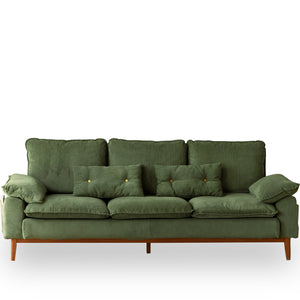
This is the gold standard for rug placement in most living rooms. The rug should be large enough that the front legs of all your seating furniture rest on it, while the back legs remain on the floor. This creates a cohesive seating group without requiring an oversized rug that dominates the entire room. For a standard 3 seater sofa measuring approximately 200cm wide, you'd typically need a rug that extends at least 30-45cm beyond each side of the sofa.
The All Legs On Rule
In larger spaces or more formal living rooms, having all furniture legs rest completely on the rug creates maximum impact and luxury. This approach works beautifully with sectional sofas or when you have multiple seating pieces forming a conversation area. The rug should extend 30-60cm beyond the furniture on all sides, creating a substantial island of comfort within the room.
Minimum Clearance Guidelines
Regardless of which placement style you choose, maintain these minimum clearances:
- 15-30cm of rug visible in front of and beside the sofa creates proper framing
- 30-45cm between rug edge and walls prevents the cramped look of an oversized rug
- Coffee table entirely on the rug ensures functional cohesion in your seating arrangement
- Equal extension on both sides of the sofa maintains symmetry and balance
How to Measure Your Space Correctly
Accurate measurements are the foundation of successful rug selection. Many homeowners rush this step and end up with rugs that are slightly too small or awkwardly proportioned for their space.
Step 1: Measure Your Sofa Dimensions – Start by measuring the full width and depth of your sofa, including any protruding arms or legs. For an L shape sofa, measure both the longest length and the depth of the chaise or extension section. Write these measurements down clearly.
Step 2: Map Your Furniture Arrangement – Sketch a simple floor plan showing where your sofa sits in relation to other furniture pieces like coffee tables, accent chairs, and side tables. Include the distances between pieces, as these gaps need to be accommodated on your rug.
Step 3: Calculate Your Ideal Rug Size – Add 60-90cm to your sofa's width (30-45cm per side) and 45-60cm to its depth (accounting for the front extension and space behind). For example, a 200cm wide sofa would need a rug that's 260-290cm wide at minimum.
Step 4: Consider Room Proportions – Your rug should complement the room size, not overwhelm or underwhelm it. In a 4m x 5m living room, a 240cm x 300cm rug typically works well for standard sofa arrangements, while smaller rooms may need more modest proportions.
Step 5: Use Painter's Tape to Visualize – Before purchasing, mark out your calculated rug dimensions on the floor using painter's tape. This lets you see exactly how the rug will interact with your furniture and traffic flow, allowing you to adjust sizing if needed.
Three Main Placement Techniques Explained
Beyond just sizing, how you position your rug relative to your sofa dramatically affects the room's functionality and aesthetic. Each technique suits different room sizes, furniture arrangements, and design goals.
Centered Placement
This classic approach centers the rug directly under your seating arrangement with equal space extending on all sides. It works exceptionally well with symmetrical furniture layouts featuring a sofa and matching chairs arranged around a central coffee table. The centered approach creates formality and balance, making it ideal for traditional or contemporary living rooms where order and proportion are priorities.
Floating Placement
In open-plan spaces or very large living rooms, floating your furniture grouping on a rug that doesn't touch any walls creates a defined zone within the larger area. This technique is perfect for separating living areas from dining spaces in combined rooms. The rug becomes an island that visually anchors your modular sofa while leaving clear floor borders that guide traffic flow around the seating area.
Layered Placement
For added texture and visual interest, designers sometimes layer rugs by placing a smaller, decorative rug partially under a coffee table while a larger neutral rug sits beneath the entire furniture grouping. This works beautifully in eclectic or bohemian spaces and allows you to introduce pattern without overwhelming the room. The technique requires careful attention to proportion so the layers enhance rather than compete with each other.
Sizing for Different Sofa Types
Different sofa configurations require adjusted rug sizing strategies to achieve that polished, proportional look designers achieve effortlessly.
For 2-Seater and 3-Seater Sofas
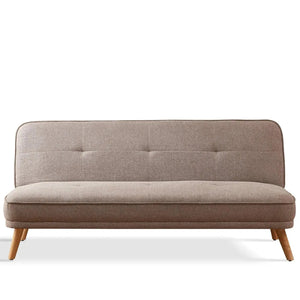
Standard 2 seater sofas and 3 seater sofas work best with rectangular rugs measuring 200cm x 290cm or 240cm x 300cm. These dimensions accommodate the sofa's front legs plus a coffee table and provide adequate visual framing. If you have accent chairs flanking the sofa, consider sizing up to 270cm x 360cm to ensure all front legs rest on the rug surface.
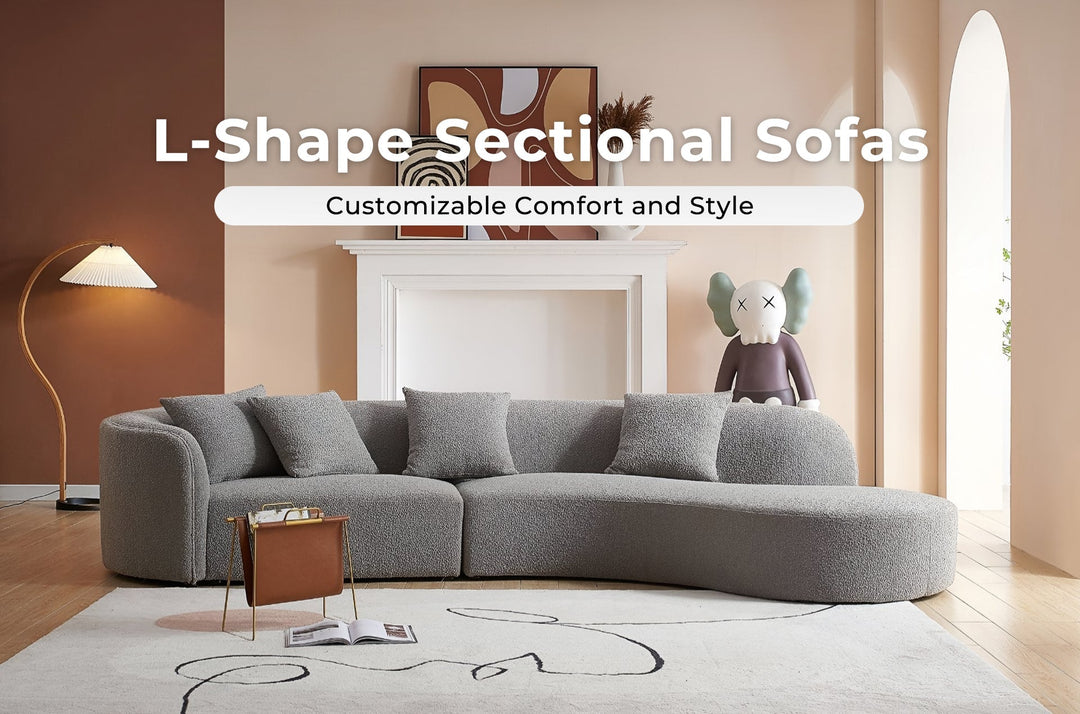
For L-Shaped and Sectional Sofas
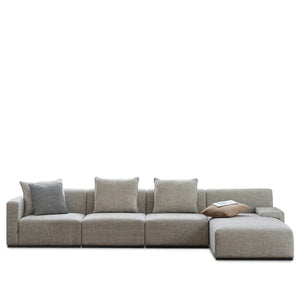
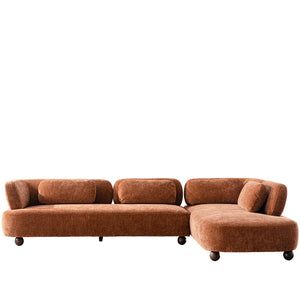
The extended footprint of L shape sofas and sectional sofas demands larger rugs, typically starting at 270cm x 360cm and going up to 300cm x 400cm for substantial configurations. Pay special attention to the corner section where the two sofa segments meet. This junction should sit comfortably on the rug without hanging off any edge. Square or nearly square rugs often complement L-shaped arrangements better than long rectangles.
For Single Sofas and Loveseats
Compact spaces with 1 seater sofas or small loveseats can use more modest rug proportions while still following the same front-legs-on principle. A 170cm x 240cm rug often suffices, creating an intimate conversation nook without overwhelming limited floor space. These smaller arrangements work particularly well in bedrooms, home offices, or reading corners where a full living room setup isn't needed.
For Sofa Beds and Multifunctional Pieces
If you're working with sofa beds or other convertible furniture, ensure your rug accommodates both the closed and extended positions. Measure the sofa bed in its fully extended position and select a rug that works for this larger footprint. When closed, the extra rug space simply provides more generous framing, which still looks intentional rather than oversized.
Inspiring Mood Boards by Style
Seeing how different rug styles complement various sofa designs helps crystallize abstract sizing rules into tangible design visions. These curated combinations demonstrate how material, pattern, and color work together to create cohesive living spaces.
Scandinavian Minimalism
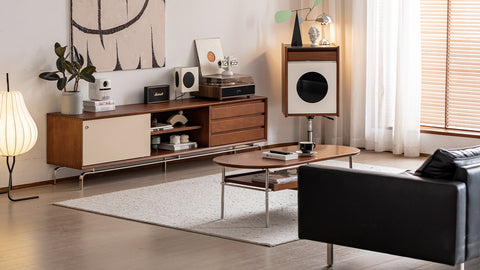
The Scandinavian aesthetic pairs beautifully with natural fiber rugs in cream, beige, or soft gray tones. Picture a streamlined Scandinavian sofa in light gray linen sitting on a textured wool rug with subtle geometric patterns. The rug extends generously on all sides, creating that signature airy, uncluttered feel. Add a simple wooden coffee table, a sheepskin throw, and minimal accessories for the complete Nordic look that emphasizes light, space, and natural materials.
Modern Contemporary Elegance
Contemporary spaces benefit from bold contrasts and clean lines. Envision a sleek contemporary sofa in charcoal or navy upholstery anchored by a plush, solid-colored rug in cream or taupe. The monochromatic palette creates sophistication, while metallic accent tables and structured cushions add visual interest. The rug should have a thick pile that adds luxury underfoot, contrasting with the sofa's crisp tailoring and reinforcing the room's refined, polished character.
Japandi Serenity
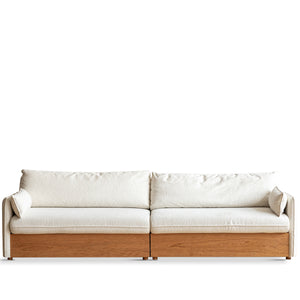
The Japandi fusion style combines Japanese minimalism with Scandinavian warmth. A low-profile Japandi sofa in natural oak and neutral upholstery pairs exquisitely with a handwoven rug in organic materials like jute, sisal, or cotton. Choose earthy tones like warm sand, soft sage, or muted terracotta. The texture becomes the statement rather than pattern, creating a calming, grounded atmosphere that celebrates natural imperfection and mindful simplicity.
Industrial Edge
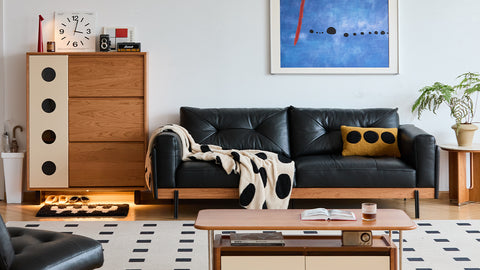
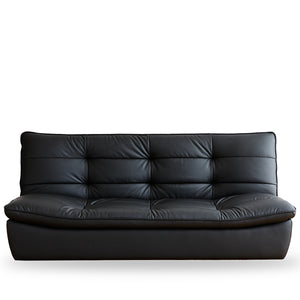
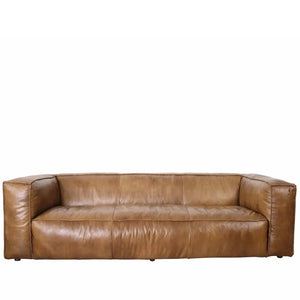
Industrial interiors embrace raw materials and urban aesthetics. An industrial sofa with leather upholstery and metal legs looks striking against a distressed or vintage-inspired rug with muted patterns. Think faded Persian designs in rust and indigo, or geometric tribal prints in black and cream. The deliberately worn appearance of the rug echoes the industrial philosophy of celebrating age and authenticity, while providing softness that balances the room's harder metal and concrete elements.
Bohemian Layered Comfort
Bohemian spaces thrive on texture, pattern, and collected charm. A relaxed bohemian sofa in rich jewel tones or natural linen becomes the foundation for layered rugs with vibrant patterns. Start with a large neutral jute rug as the base layer, then add a smaller vintage kilim or colorful Moroccan rug partially underneath the coffee table. Mix in floor cushions, woven baskets, and plants to complete the eclectic, well-traveled aesthetic that makes bohemian spaces feel so inviting and personal.
Common Mistakes to Avoid
Even with the best intentions, certain rug placement errors crop up repeatedly in home styling. Recognizing and avoiding these pitfalls will save you from costly mistakes and buyer's remorse.
Choosing a Rug That's Too Small
This is by far the most common error. A rug that only fits under the coffee table or barely touches the sofa's front legs looks like an afterthought rather than an intentional design choice. It fragments your furniture grouping instead of unifying it, and can actually make your room feel smaller by breaking up the floor space. When in doubt, size up rather than down. The visual and functional benefits of a properly proportioned rug far outweigh the minimal cost difference between sizes.
Pushing Furniture Against Walls
Many people instinctively push all furniture against walls to maximize floor space, but this often backfires with rug placement. When your sofa sits flush against the wall, you can't achieve the ideal 30-45cm of rug extension behind it. Instead, pull your fabric sofa or other seating 10-15cm away from the wall. This creates better proportion, improves acoustics, and makes the room feel more intentionally designed rather than pushed to the perimeter.
Ignoring Traffic Patterns
Your rug shouldn't block natural pathways through the room or create tripping hazards where flooring transitions to rug edges. Consider how people move through the space when positioning your rug. Main walkways should either cross the rug's center (where it's secured by furniture weight) or stay completely off the rug. Edges that fall in natural walking paths create both safety issues and accelerated wear on the rug itself.
Mismatching Rug Shape to Sofa Configuration
Sofa shape should influence rug shape for optimal visual harmony. Long, straight sofas pair best with rectangular rugs, while L-shaped or curved sectionals often look better with square or round rugs that echo their footprint. Forcing a long, narrow rug under a compact sectional creates awkward negative space and disrupts the room's proportions.
Overlooking Pile Height and Material
Practical considerations matter as much as aesthetics. High-pile shag rugs look cozy but can make it difficult to move furniture or roll items like bar carts and ottomans across the surface. In high-traffic Singapore living rooms, durable, low-maintenance materials like polypropylene or tightly woven natural fibers resist wear better than delicate silk or loose weaves. Match your rug's practical attributes to your lifestyle, not just your design vision.
Special Considerations for Singapore Homes
Singapore's unique housing context, climate, and lifestyle patterns create specific considerations when styling rugs under sofas that may not apply in other markets.
HDB and Condo Space Constraints
Most Singapore homes have compact living rooms where every centimeter counts. In typical HDB flats with 3-4 meter wide living areas, the "all legs on" approach often isn't practical without making the rug dominate the entire floor. The "front legs on" technique works better, using rugs in the 200cm x 290cm to 240cm x 300cm range. For studio apartments or small condo units, consider the floating placement method with a smaller rug that defines the seating zone without overwhelming the limited floor space.
Climate and Maintenance Realities
Singapore's tropical humidity and frequent air conditioning create unique maintenance needs. Natural fiber rugs like jute and sisal can absorb moisture and develop mildew without proper air circulation. Synthetic rugs or treated natural fibers perform better in consistently air-conditioned spaces. Additionally, homes with young children, frequent visitors, or less tolerance for deep cleaning should prioritize stain-resistant materials and darker colors or patterns that camouflage inevitable spills and wear.
Open-Plan Living Integration
Many contemporary Singapore homes feature open-plan layouts that combine living, dining, and kitchen areas in one flowing space. Here, rugs become crucial tools for zoning. Use a substantial rug under your living room furniture grouping to visually separate it from the dining room area. The rug's edges essentially draw invisible walls that define distinct functional zones while maintaining the spacious feel of the open plan.
Cultural Preferences for Cleanliness
Singapore's shoes-off culture means your rugs receive direct foot traffic without the protective barrier shoes provide. This actually extends rug life compared to shoes-on environments, but it also means texture and comfort underfoot become more important selection criteria. Choose rugs with pleasant tactile qualities that feel good barefoot, avoiding overly rough natural fibers or synthetics that generate static in air-conditioned environments.
Balcony and Outdoor Extensions
Some Singapore homes extend living spaces onto covered balconies or patios. If you're styling a sofa in these semi-outdoor areas, select weather-resistant rugs specifically designed for outdoor furniture. These specialized rugs resist UV fading, moisture damage, and mildew while providing the same aesthetic benefits as indoor options. Just ensure adequate drainage underneath and bring them in during heavy rain to maximize longevity.
Mastering rug placement under your sofa transforms your living room from a collection of furniture into a cohesive, professionally designed space. By following the essential sizing rules, choosing the right placement technique for your room, and avoiding common pitfalls, you'll create a foundation that makes your entire furniture arrangement look intentional and polished.
Remember that the perfect rug size balances proportion, function, and aesthetic impact. Whether you're working with a compact 2 seater sofa in a cozy HDB flat or styling an expansive sectional sofa in an open-plan condo, these principles adapt to your specific space and needs. Take time to measure carefully, visualize with tape before purchasing, and consider how the rug interacts with your complete furniture arrangement rather than just the sofa alone.
The mood board inspirations show how different design styles approach the sofa-rug relationship, proving there's no single correct aesthetic. Your personal style preferences, lifestyle needs, and the specific characteristics of your Singapore home should all inform your final selection. With these guidelines as your foundation, you're equipped to make confident decisions that elevate your living space and showcase your furniture investment to its fullest potential.
Ready to Complete Your Living Room?
Discover designer-quality sofas at accessible prices, crafted to anchor your perfectly styled space. From compact 2-seaters to luxurious sectionals, find the ideal foundation for your rug and transform your Singapore home.
Explore Loft Home Furniture


Leave a comment