


















































































TV Console Height and Wall Mount Distance Guide: Perfect Placement for Your Living Room
Table Of Contents
- Why TV Console Height and Wall Mount Distance Matter
- Calculating Your Optimal TV Viewing Height
- Standard TV Console Heights: What Works Best
- Wall Mount Distance from TV Console
- The Complete Measurement Formula
- Room-Specific Considerations for Singapore Homes
- Common Mistakes to Avoid
- Pairing Your TV Console with Other Furniture
- Final Installation Tips
Setting up your living room entertainment system seems straightforward until you're standing there with a drill in hand, wondering if you're about to make a permanent mistake. Should the TV be higher than the console? How much space should there be between them? And why does every room seem to demand different measurements?
Getting the TV console height and wall mount distance right isn't just about aesthetics—it directly impacts your viewing comfort, neck health, and how well your living room functions as a space. Too high, and you'll spend movie nights craning your neck upward. Too low, and the setup looks awkward while creating glare issues. The relationship between your TV console and wall-mounted screen requires careful consideration of viewing angles, furniture dimensions, and room layout.
This comprehensive guide walks you through everything you need to know about TV console heights and wall mount distances. Whether you're furnishing an HDB flat, a condo, or a landed property in Singapore, you'll learn the exact formulas, measurements, and practical tips to achieve that perfect setup where everything just feels right.
Why TV Console Height and Wall Mount Distance Matter
The positioning of your TV relative to your console isn't arbitrary—it's grounded in ergonomics and visual comfort. When you're seated on your sofa, your eyes naturally rest at a neutral position, slightly downward. Forcing them to look upward for extended periods causes neck strain, headaches, and viewing fatigue that can turn a relaxing movie night into an uncomfortable experience.
Viewing angle science tells us that the ideal TV position places the screen's center at or slightly below eye level when seated. For most people, this translates to the center of the screen being approximately 42 inches (107 cm) from the floor, though this varies based on your seating furniture height and personal sitting position. The gap between your TV console and the bottom of your wall-mounted TV creates a visual breathing space that affects the entire room's aesthetic balance.
Beyond comfort, proper spacing affects functionality. Too little distance between the console and TV makes cable management difficult and can block ventilation for devices stored below. Too much distance creates an awkward visual gap that makes the setup look disconnected and poorly planned. The sweet spot balances all these factors while accommodating your specific room dimensions and furniture choices.
Calculating Your Optimal TV Viewing Height
Before determining console height or wall mount placement, you need to establish your optimal viewing height. This depends on three key measurements: your seating height, viewing distance, and TV size. Start by measuring from the floor to your eye level while seated comfortably on your primary viewing furniture—typically a sofa or sectional.
The eye-level measurement is your foundation. Sit naturally on your sofa, looking straight ahead. Have someone measure from the floor to the center of your eyes. For most sofas with standard seat heights of 17-19 inches (43-48 cm), eye level falls between 38-42 inches (96-107 cm) from the floor. This becomes your target for the TV's vertical center point, or slightly below it for optimal comfort.
Factor in your viewing distance as well. The general rule suggests sitting at a distance of 1.5 to 2.5 times your TV's diagonal screen size. For a 55-inch TV, that's approximately 7-11 feet (2.1-3.4 meters). At closer distances, you might prefer the screen centered slightly lower to reduce the need for upward eye movement. At farther distances, you have more flexibility with height without compromising comfort.
Quick Reference Formula
Here's a simple calculation method many interior designers use:
- Measure seated eye level: Sit on your sofa and measure from floor to eye height (typically 38-42 inches / 96-107 cm)
- Calculate TV center position: Subtract 0-4 inches (0-10 cm) from eye level for the TV's center point
- Determine bottom edge placement: Subtract half of your TV's height from the center position
- Account for console height: The space between console top and TV bottom should be 2-6 inches (5-15 cm)
Standard TV Console Heights: What Works Best
TV consoles typically range from 16 to 24 inches (40-61 cm) in height, with most falling in the 18-20 inch (46-51 cm) sweet spot. This standard exists because it works well with common sofa seat heights and creates comfortable viewing angles when paired with appropriately mounted TVs. However, the "right" console height for your space depends on your specific setup and preferences.
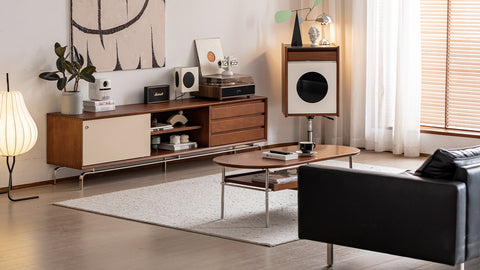
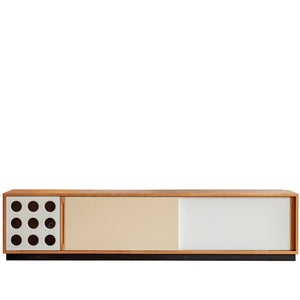
Low-profile consoles (16-18 inches / 40-46 cm) create a modern, minimalist aesthetic and work beautifully in rooms with lower seating arrangements or floor cushions. They're particularly popular in Japandi and Scandinavian-style spaces. These lower consoles require mounting the TV higher on the wall to maintain proper viewing height, creating a more pronounced separation between the console and screen. This works well if you want the console to feel more like a functional platform than a dominant furniture piece.
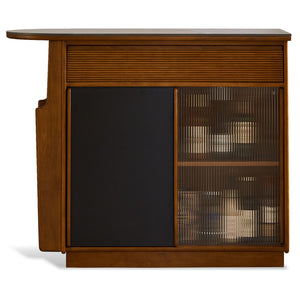
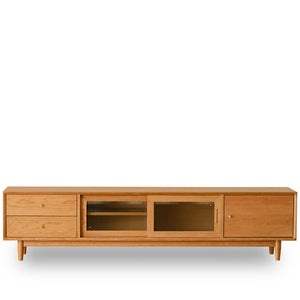
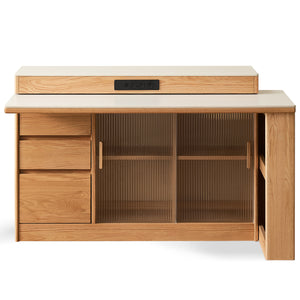
Standard-height consoles (18-20 inches / 46-51 cm) offer the most versatility and pair well with typical sofa heights. They provide ample storage depth for media equipment, gaming consoles, and decorative items while maintaining comfortable proportions in most living rooms. When you browse TV consoles at Loft Home, you'll find many options in this range because it accommodates the widest variety of room configurations and seating types.
Taller consoles (21-24 inches / 53-61 cm) work when you have higher seating furniture or want substantial storage capacity. They can reduce the wall-mounted TV height, which some people prefer for a more grounded look. However, they require careful consideration of the overall viewing angle to avoid positioning the screen too high. These work particularly well in larger rooms where the viewing distance is greater and the console's visual weight balances the space better.
Wall Mount Distance from TV Console
The vertical gap between your TV console's top surface and your wall-mounted TV's bottom edge significantly impacts both aesthetics and functionality. This spacing typically ranges from 2 to 8 inches (5-20 cm), with 4-6 inches (10-15 cm) being the most common and visually balanced choice for standard living room setups.
Minimal spacing (2-4 inches / 5-10 cm) creates a more integrated, cohesive look where the TV and console feel like a unified entertainment center. This approach works well in smaller Singapore apartments where you want to maximize the sense of connection between elements. However, tight spacing can make it challenging to access the back of the console for cable management or to arrange decorative items on top without them visually competing with the screen.
Standard spacing (4-6 inches / 10-15 cm) offers the best balance for most setups. It provides enough visual separation to distinguish the TV as its own element while maintaining a connected relationship with the console below. This range allows comfortable cable routing from the TV down to equipment stored in the console, and leaves room for a small soundbar or decorative items on the console's surface without creating visual clutter. When pairing your setup with contemporary storage solutions, this spacing maintains clean, modern lines.
Generous spacing (6-8+ inches / 15-20+ cm) works in larger rooms with higher ceilings or when you want to emphasize the TV as a floating, independent element. This approach can look dramatic and intentional, particularly with architectural or feature walls. However, the wider gap requires careful consideration of the overall wall composition—you may need to add visual elements like wall art or shelving to prevent the space from feeling disconnected.
Practical Spacing Considerations
Beyond aesthetics, several practical factors influence your ideal spacing:
- Soundbar placement: If you plan to place a soundbar on the console, ensure at least 3-4 inches (8-10 cm) clearance so it doesn't block the TV screen's bottom edge
- Cable management: Allow enough space to route HDMI cables, power cords, and other connections without sharp bends that could damage cables
- Ventilation: Heat from components stored in the console rises—adequate spacing prevents heat buildup around your TV
- Console contents: Consider what you'll display on the console top; decorative items, plants, or speakers need clearance that doesn't interfere with TV viewing
- Wall mount type: Fixed, tilting, or full-motion mounts have different depth profiles that affect perceived spacing
The Complete Measurement Formula
Now let's put everything together into a step-by-step measurement process that ensures your TV and console alignment is perfect for your space. This formula accounts for all the variables we've discussed and gives you exact measurements before you drill a single hole.
Step 1: Establish your seated eye level. Sit in your primary viewing position on your sofa, looking straight ahead naturally. Measure from the floor to the center of your eyes. Record this measurement—for most people with standard sofas, this will be 38-42 inches (96-107 cm). This is your baseline viewing height.
Step 2: Determine TV center height. For optimal comfort, your TV's center should align with or sit slightly below your eye level. Subtract 0-4 inches (0-10 cm) from your seated eye level. The closer your viewing distance, the more you might want to subtract for a more comfortable downward viewing angle. This gives you the ideal vertical center point for your TV.
Step 3: Calculate TV bottom edge position. Measure your TV's height and divide by two. Subtract this number from your TV center height. This tells you exactly where the bottom edge of your TV should be positioned from the floor. For example, if your TV center should be at 40 inches (102 cm) and your TV is 28 inches (71 cm) tall, the bottom edge should be at 26 inches (66 cm) from the floor.
Step 4: Factor in console height. Measure your chosen TV console's height. Add your desired spacing gap (typically 4-6 inches / 10-15 cm) to the console height. This combined measurement should equal or be slightly less than your calculated TV bottom edge position from Step 3. If it's significantly higher, you'll need either a shorter console or to mount the TV higher than optimal.
Step 5: Verify with viewing distance. Measure the distance from your primary seating to the wall where the TV will mount. Confirm this distance is approximately 1.5-2.5 times your TV's diagonal screen size. If you're sitting farther away, you have more flexibility with height. Closer viewing distances require more precise adherence to the eye-level guideline.
Example Calculation
Let's work through a real-world scenario: You have a 55-inch TV, a 19-inch (48 cm) tall console, and your seated eye level measures 40 inches (102 cm) from the floor.
- Seated eye level: 40 inches (102 cm)
- TV center height: 38 inches (96 cm) — slightly below eye level for comfort
- TV dimensions: A 55-inch TV is approximately 27 inches (69 cm) tall, so half-height is 13.5 inches (34 cm)
- TV bottom edge: 38 - 13.5 = 24.5 inches (62 cm) from floor
- Console height: 19 inches (48 cm)
- Required spacing: 24.5 - 19 = 5.5 inches (14 cm) — perfect!
This setup provides ideal viewing height with balanced spacing between the console and TV.
Room-Specific Considerations for Singapore Homes
Singapore's diverse housing landscape—from compact HDB flats to spacious condominiums and landed properties—presents unique challenges and opportunities for TV console and wall mount placement. Understanding how to adapt these principles to your specific living situation ensures optimal results regardless of your space constraints.
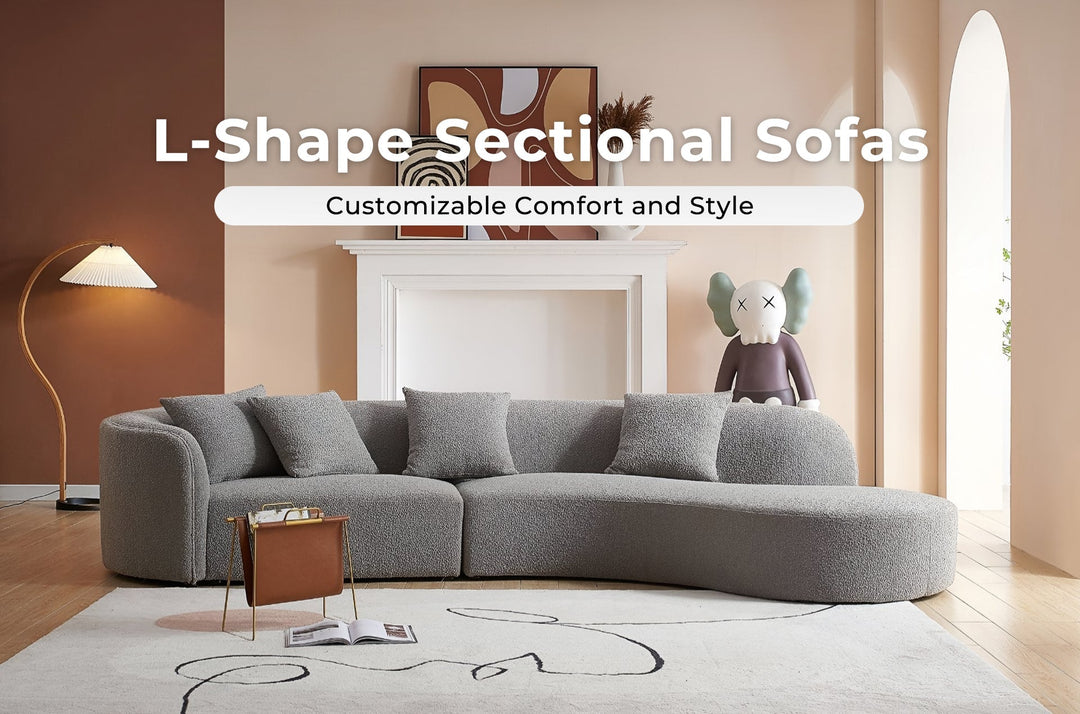
HDB living rooms typically feature lower ceiling heights (2.6-2.8 meters) and limited floor space, making proportions critical. In a 3-room or 4-room flat's living area, you're often working with a viewing distance of 6-9 feet (1.8-2.7 meters). This closer proximity means you'll want to be more precise with your TV height—even a few inches too high becomes noticeably uncomfortable. Consider a standard-height console (18-20 inches) with moderate spacing (4-5 inches) to maintain visual balance in the more intimate space. Pairing your TV console with a compact L-shape sofa optimizes seating without overwhelming the room.
Condominium living rooms often provide more flexibility with higher ceilings (3-3.5 meters) and greater viewing distances. Here you can explore taller consoles (20-24 inches) or more generous spacing (6-8 inches) without compromising viewing comfort. The additional ceiling height prevents the setup from feeling cramped, and you can incorporate the TV mounting into a broader wall design with floating shelves or decorative elements that create a complete entertainment wall feature.
Open-plan layouts common in modern apartments require consideration of multiple viewing angles. Your TV console and mount position should accommodate viewing from both the main living area and adjacent spaces like the dining area. This might mean mounting the TV slightly higher than the strict eye-level formula suggests, or choosing a full-motion wall mount that allows angle adjustment for different viewing positions throughout the open space.
Bedroom TV Setups
Bedroom TV mounting follows different rules because you're often viewing while reclined rather than seated upright. In bedrooms, the TV typically mounts higher—with its center at 42-48 inches (107-122 cm) from the floor—to align with your eye level when lying in bed with your head propped up. The console can be lower (a standard dresser or chest of drawers works well) with more generous spacing to the TV. Consider a tilting wall mount to angle the screen downward toward the bed for optimal viewing.
Common Mistakes to Avoid
Even with careful planning, certain pitfalls catch many homeowners during TV setup. Being aware of these common mistakes helps you sidestep them entirely and achieve professional-looking results from the start.
Mounting too high is the single most frequent error, often driven by the misconception that TVs should be mounted like artwork. People instinctively place TVs where they'd hang a painting—at standing eye level around 60 inches (152 cm) from the floor. This forces uncomfortable upward neck angles during viewing. Remember: you watch TV while seated, not standing, so seated eye level is what matters. If visitors to your home need to look up to see the screen comfortably, it's mounted too high.
Ignoring the sofa position leads to misaligned viewing angles. Measure from your actual seating position, not from a theoretical point in the room's center. If your sectional sofa sits at an angle or you have multiple seating areas, determine which is the primary viewing position and optimize for that location. Secondary seating can tolerate less-than-perfect angles, but your main viewing spot should be ideal.
Forgetting about the console before mounting is surprisingly common. People mount the TV first, then select a console that doesn't work with the established TV height. Always choose your console first or at least know its exact dimensions before drilling wall mount holes. The console's height dictates where the TV bottom edge can realistically sit while maintaining proper spacing and viewing angles.
Underestimating cable management needs creates functional and aesthetic problems. That beautiful wall-mounted TV loses impact when cables dangle visibly down the wall. Plan for in-wall cable routing, external cord covers, or enough space behind the console to hide cable clutter. When selecting your storage furniture, look for designs with built-in cable management features like back panel openings.
Other Pitfalls to Watch For
- Not accounting for TV stand/feet: If you might eventually want to place the TV directly on the console, ensure the console is wider than the TV's stand width
- Mounting over a fireplace: This popular design trend often results in TVs that are far too high for comfortable viewing
- Ignoring window placement: Mounting opposite windows creates glare issues; side windows are preferable
- Choosing the wrong mount type: Fixed mounts work for perfectly aligned setups; tilting or full-motion mounts provide adjustment flexibility
- Skipping the stud finder: Always mount to wall studs, never just drywall, regardless of what anchors promise
Pairing Your TV Console with Other Furniture
Your TV console doesn't exist in isolation—it's part of a cohesive living room design that includes your seating, tables, and storage pieces. Thoughtful furniture pairing creates a harmonious space where everything feels intentionally coordinated rather than randomly assembled.
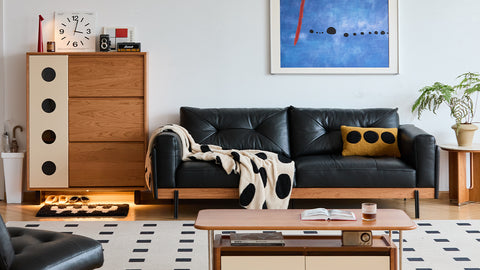
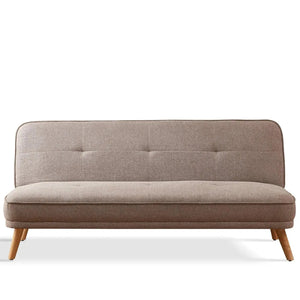
Console and sofa coordination starts with proportion and style alignment. If you have a substantial, deep 3-seater sofa or 4-seater sofa, a longer TV console (160-200 cm) creates better visual balance than a short, narrow piece. The console length doesn't need to match the sofa exactly, but it should feel proportional to the seating arrangement. Style-wise, pair modern sofas with minimalist or contemporary consoles, while vintage or rustic sofas work beautifully with wooden storage pieces that have more traditional detailing.
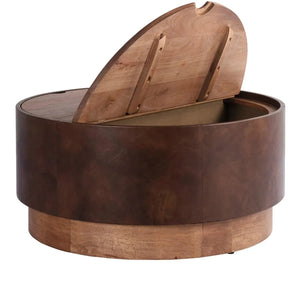
Coffee table height relationship matters for sight-line flow. Your coffee table should be lower than or equal to your sofa seat height (typically 16-18 inches / 40-46 cm). This keeps sight lines clear from sofa to TV and prevents the coffee table from becoming a visual barrier. When the coffee table, console, and TV are all properly proportioned, your eye moves smoothly across the room rather than jumping awkwardly between different height levels.
Additional storage integration expands functionality while maintaining design cohesion. Flanking your TV console with matching bookshelves or cabinets creates a built-in entertainment wall effect that maximizes storage. If you choose this approach, ensure all pieces share similar heights or create an intentional stepped effect—random height variations look unplanned. Many homeowners successfully combine a central TV console with symmetrical side storage in the same finish and style for a custom furniture look at accessible prices.
Material and Finish Coordination
Beyond dimensions and heights, material choices tie your room together:
- Wood tone consistency: Match or complement wood finishes across your console, coffee table, and other wooden furniture pieces
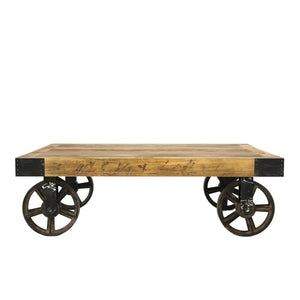
- Mixed materials: Combining materials (wood console with metal-framed coffee table) adds visual interest but requires thoughtful balance
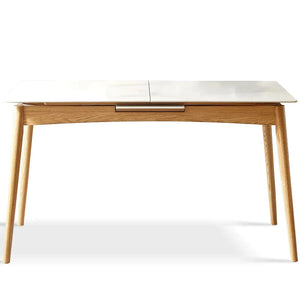
- Modern materials:Sintered stone or marble consoles pair beautifully with contemporary glass and metal accent pieces
- Style commitment:Scandinavian, Japandi, or industrial styling should carry through all major furniture pieces for cohesion
Final Installation Tips
With your measurements calculated and furniture selected, the actual installation becomes the final critical step. These practical tips ensure your carefully planned setup translates to real-world success.
Mark before mounting. Before drilling, use painter's tape to outline exactly where your TV will sit on the wall. Step back and view it from your sofa multiple times, at different times of day with varying light conditions. Have household members sit and evaluate whether the height feels comfortable. This temporary visualization costs nothing but prevents permanent mistakes. You can even tape a cardboard cutout of your TV's dimensions for an even better preview.
Use proper tools and hardware. A quality stud finder is essential—mounting to studs rather than drywall ensures your TV stays securely on the wall for years. The wall mount should be rated for well above your TV's actual weight. If your TV weighs 30 pounds, use a mount rated for at least 50 pounds. This safety margin accounts for the dynamic forces when adjusting a tilting or full-motion mount. Don't rely on drywall anchors alone for heavy TVs, regardless of their weight rating claims.
Plan cable routing before mounting. Decide how cables will travel from the TV to your console-stored components before the TV goes up. In-wall cable routing requires cutting access holes and fishing cables before mounting. If using external cord covers, install them after mounting but plan their path beforehand. The cleanest setups route power and HDMI cables invisibly—this attention to detail elevates the entire installation from DIY to professional-looking.
Level and measure twice, drill once. Use a quality level to ensure your mount brackets are perfectly horizontal. Even a slight tilt becomes glaringly obvious with a large rectangular screen. Measure the distance from the mount to the ceiling and from the mount to the floor on both sides—these should be identical. Have someone double-check your measurements before drilling. Wall holes can be filled but are frustrating to redo, especially if you need to relocate significantly.
Consider professional installation. While many wall mounts are designed for DIY installation, professional mounting services aren't expensive and include proper tools, insurance, and experience. If you're uncertain about finding studs, routing cables through walls, or handling a large, expensive TV, professional installation offers peace of mind. At Loft Home, we provide professional delivery and installation services that ensure your furniture arrives in pristine condition and is set up correctly from the start.
Getting your TV console height and wall mount distance right transforms your living room from a functional space into a thoughtfully designed environment where everything feels balanced and intentional. By following the measurement formulas, understanding your room's specific considerations, and avoiding common mistakes, you create a setup that's comfortable for daily viewing and aesthetically pleasing for years to come.
The investment of time in proper planning—measuring your seated eye level, calculating exact TV placement, and choosing appropriately sized furniture—pays dividends every single day you use the space. When your TV height aligns perfectly with your natural sight line and your console complements both the screen and your other furniture, watching television becomes more enjoyable and your living room feels more cohesive.
Remember that these guidelines are starting points, not rigid rules. Your personal comfort, room layout, and design preferences all factor into the final decision. Test your planned heights with temporary markings, sit in your actual viewing positions, and adjust until everything feels just right. The difference between a good setup and a great one often comes down to those final few inches of fine-tuning based on how your specific space and seating work together.
Ready to create the perfect entertainment setup in your Singapore home? Explore Loft Home's curated collection of TV consoles in various heights, styles, and finishes designed to complement any living room aesthetic. From minimalist modern pieces to warm wooden designs, find quality furniture at honest, accessible prices. Visit our showroom at Gambas Crescent or shop online with the confidence of our 30-day return policy, professional installation services, and price-match guarantee. Let's make your designer living room vision a reality—without the premium price tag.






Leave a comment