












































































Weather-Proof Bean Bags vs. Loungers: The Ultimate Durability Test
Table Of Contents
- Introduction
- Understanding Weather-Proof Furniture
- Weather-Proof Bean Bags: Pros and Cons
- Outdoor Loungers: Pros and Cons
- The Durability Test: Methodology
- Test Results: Weather Resistance
- Test Results: Structural Integrity
- Test Results: Comfort Longevity
- Maintenance Requirements Compared
- Best Use Scenarios
- Price-Value Analysis
- Conclusion
Introduction
The challenge of finding durable outdoor furniture in Singapore's tropical climate is real. Between scorching sun, sudden downpours, and high humidity, outdoor seating faces a triple threat that can quickly turn your stylish investment into a moldy, faded disappointment. At Loft Home Furniture, we understand this struggle, which is why we've put two popular outdoor seating options—weather-proof bean bags and outdoor loungers—to the ultimate durability test.
Whether you're furnishing a balcony, roof terrace, or garden space, the right outdoor seating can transform your area into a comfortable retreat. But the question remains: which option offers better long-term value and resilience against Singapore's unforgiving elements? Our comprehensive testing reveals surprising results that might change how you approach your outdoor furniture investment.
In this article, we'll compare these popular outdoor seating options across multiple durability factors, from weather resistance and structural integrity to comfort retention and maintenance requirements. By the end, you'll have all the information needed to make an informed decision that suits both your aesthetic preferences and practical needs.
Understanding Weather-Proof Furniture
Before diving into our comparison, it's important to understand what "weather-proof" actually means in the context of outdoor furniture. True weather-proof furniture should withstand prolonged exposure to sun, rain, and humidity without significant deterioration in appearance or function.
Most weather-proof furniture features materials specifically engineered to resist UV damage, prevent water absorption, and inhibit mold and mildew growth. Common weather-resistant materials include treated synthetic fabrics, specialized plastics, powder-coated metals, and certain natural materials like teak or resin-wicker that have inherent outdoor durability.
However, not all "outdoor" furniture is created equal. Many products marketed as outdoor-suitable may only offer basic water resistance rather than comprehensive weather protection. This distinction becomes especially important in Singapore's climate, where furniture faces some of the most challenging conditions for outdoor durability.
Weather-Proof Bean Bags: Pros and Cons
Weather-proof bean bags have surged in popularity for outdoor spaces, especially in compact urban settings like Singapore apartments with balconies. These modern outdoor seating options typically feature double-layered construction with an inner waterproof liner protecting the filling and an outer shell made from marine-grade fabric designed to withstand environmental exposure.
Advantages of Weather-Proof Bean Bags
Exceptional Adaptability: Bean bags naturally conform to different body shapes, providing personalized support that many find more comfortable than rigid seating. This adaptability makes them ideal for relaxed outdoor environments.
Lightweight Portability: Unlike heavier outdoor furniture, bean bags can be easily moved to follow shade patterns or rearranged for different social configurations. This mobility is particularly valuable in multi-purpose outdoor spaces.
Space Efficiency: For those with limited outdoor areas, bean bags can be compressed and stored when not in use, making them practical solutions for small balconies or seasonal outdoor spaces. Their informal nature also works well in casual outdoor settings.
Modern Aesthetic Appeal: Contemporary weather-proof bean bags come in a variety of colors and styles that can complement modern outdoor furniture arrangements, adding both comfort and visual interest to outdoor living spaces.
Limitations of Weather-Proof Bean Bags
Filling Compression Issues: Over time, even high-quality bean bag fillings tend to compress, resulting in diminished support and comfort. This compression is often accelerated in outdoor environments due to temperature fluctuations.
Stability Challenges: Bean bags lack the structural stability of traditional seating, which can make activities like eating or working outdoors more difficult. This becomes particularly noticeable when trying to get in and out of deeper bean bag styles.
UV Vulnerability: Despite UV-resistant fabrics, prolonged sun exposure can eventually cause color fading and material degradation, especially in Singapore's intense sunlight. Even marine-grade fabrics have limitations to their UV protection capabilities.
Ground Contact Concerns: Continuous contact with potentially damp outdoor surfaces can create conditions for mold development underneath the bean bag, requiring regular repositioning and drying to prevent moisture-related issues.
Outdoor Loungers: Pros and Cons
Outdoor loungers represent a more traditional approach to outdoor relaxation furniture. These structured seating options come in various materials including weather-resistant wicker, treated wood, aluminum frames with textile mesh, and molded all-weather plastics. Each material offers different benefits and challenges in Singapore's tropical climate.
Advantages of Outdoor Loungers
Structural Support: Loungers provide defined ergonomic support that maintains its form regardless of usage patterns. This consistent structure is beneficial for those who require more back support or prefer a more traditional seating experience.
Elevation Advantages: Being raised off the ground, loungers avoid direct contact with potentially wet or hot surfaces, reducing moisture-related deterioration and providing better air circulation. This elevation is particularly valuable during monsoon seasons.
Durability Potential: Well-constructed loungers with quality weather-resistant materials can potentially outlast bean bags in terms of structural integrity. Premium options like those in our outdoor collection are specifically engineered for extended durability.
Versatile Functionality: Many modern loungers feature adjustable positions, integrated side tables, or modular designs that enhance their versatility for different outdoor activities from sunbathing to casual dining.
Limitations of Outdoor Loungers
Storage Challenges: Most loungers cannot be compressed for storage, requiring dedicated space when not in use. This fixed footprint can be problematic in limited outdoor areas like apartment balconies.
Mobility Restrictions: Heavier loungers can be difficult to reposition, potentially limiting flexibility in outdoor space arrangement. This becomes particularly relevant when adapting to changing sun positions or social configurations.
Comfort Variability: Without proper cushioning, some lounger designs can become uncomfortable during extended use. The fixed form doesn't adapt to different body types as effectively as bean bags.
Maintenance Complexity: Loungers often have more components and materials that require specific care. Joints, hardware, and different surface materials may each need particular maintenance approaches to maintain appearance and function.
The Durability Test: Methodology
To provide objective insights, we conducted a comprehensive six-month durability test comparing premium weather-proof bean bags against quality outdoor loungers in Singapore's climate conditions. Our testing methodology focused on real-world performance rather than laboratory simulations.
We selected three top-rated weather-proof bean bags and three outdoor loungers across different price points and material compositions. All test pieces were placed in a partially covered outdoor setting with exposure to regular weather patterns including direct sunlight, rainfall, and varying humidity levels – mimicking typical Singapore balcony or patio conditions.
Throughout the testing period, we regularly evaluated and documented changes across four key performance categories:
- Weather Resistance: How well each piece withstood sun exposure, rainfall, and humidity without visible deterioration
- Structural Integrity: The maintenance of shape, support, and overall structural soundness over time
- Comfort Longevity: How consistently comfortable each piece remained through regular use and environmental exposure
- Maintenance Requirements: The frequency and intensity of cleaning or upkeep needed to maintain appearance and function
To ensure realistic usage patterns, each furniture piece was regularly used and subjected to normal weight loads. We also simulated spills, light abrasion, and occasional impact to test resilience under typical household conditions.
Test Results: Weather Resistance
After six months of exposure to Singapore's climate conditions, clear differences in weather resistance emerged between bean bags and loungers.
Sun Exposure Performance
The weather-proof bean bags with marine-grade fabrics showed moderate color fading after the six-month period, particularly in areas with direct afternoon sun exposure. The fabric itself remained structurally sound, but UV degradation was visibly beginning. The premium bean bag models with specialized UV protection performed significantly better than entry-level options.
By comparison, quality outdoor loungers showed variable results based on their construction materials. Aluminum-framed loungers with Textilene mesh performed exceptionally well with minimal fading or deterioration. Synthetic wicker models showed slight color changes but maintained structural integrity. Plastic loungers exhibited the most noticeable UV damage with both color changes and some surface chalking.
Rainfall and Humidity Response
All tested bean bags featured water-resistant outer fabrics that effectively repelled rainfall. However, we noticed that prolonged exposure to high humidity began to affect the inner fillings in two of the three models, resulting in subtle changes to their support characteristics. The best-performing bean bag utilized specialized moisture-resistant filling that maintained consistent performance despite humidity exposure.
The lounger performance in wet conditions varied significantly by material. Aluminum and synthetic options dried quickly after rainfall and showed minimal moisture retention. Natural wicker options, despite their treatments, showed slight warping after repeated wet-dry cycles. Most significantly, metal components on lower-priced loungers began showing corrosion signs at connection points by the test's conclusion, highlighting the importance of quality hardware in outdoor furniture.
Test Results: Structural Integrity
Maintaining structural integrity despite environmental challenges and regular use is crucial for outdoor furniture longevity. Our testing revealed significant differences between the two seating options.
Bean Bag Structural Changes
All bean bag models experienced some degree of filling compression over the six-month period, requiring refilling to maintain their original support level. The compression rate varied significantly based on filling quality, with premium polystyrene beads showing approximately 15% compression compared to nearly 40% in standard fills.
We also observed that constant exposure to temperature fluctuations accelerated the compression process compared to indoor bean bags. The outer shells maintained their integrity well, though seams showed early stress signs in the most frequently used areas. Double-stitched, reinforced seams proved substantially more durable than standard construction.
Lounger Structural Performance
The structured nature of loungers provided inherently better shape retention. However, weight-bearing areas like seat mesh or cushions showed varying degrees of stretching or compression depending on material quality. Premium models with high-density materials maintained nearly 95% of their original support characteristics.
Connection points proved to be the most vulnerable aspects of lounger construction. Models with weather-sealed joints and stainless-steel hardware significantly outperformed those with standard fittings. By the test's conclusion, one lower-priced lounger showed concerning joint instability, while premium models remained structurally sound with only minor cosmetic changes.
Perhaps most notably, loungers with modular designs or multiple adjustment points showed accelerated wear at these mechanical interfaces, suggesting that simpler construction may offer better long-term durability in outdoor conditions.
Test Results: Comfort Longevity
Beyond structural integrity, we evaluated how consistently comfortable each seating option remained throughout the testing period. Comfort is subjective, so we gathered feedback from multiple users across different body types.
Bean Bag Comfort Evolution
Initially, bean bags received higher comfort ratings due to their body-conforming properties. However, this advantage diminished over time as fillings compressed. Even with regular fluffing, users noted decreased support, particularly in lower back areas. By month four, testers reported spending less time in bean bags before experiencing discomfort.
Interestingly, smaller bean bag designs maintained their comfort longer than larger models, likely because the filling remained more concentrated. Models with divided internal compartments that prevented filling migration also performed better in comfort retention. The outer fabric comfort remained consistent, with no significant changes in texture or feel despite environmental exposure.
Lounger Comfort Consistency
Loungers demonstrated more consistent comfort profiles throughout the testing period. While they generally received lower initial comfort scores than fresh bean bags, they maintained their comfort ratings more reliably over time. Users particularly appreciated the consistent back support that remained unchanged despite weather exposure.
Cushioned loungers showed some compression in padding materials, with foam cushions being most susceptible to comfort degradation. Quick-dry mesh designs proved most consistent in comfort, maintaining nearly identical user ratings from beginning to end of testing. Adjustable models received higher long-term comfort scores as they allowed users to adapt positions based on their needs.
By the test conclusion, loungers had overtaken bean bags in average comfort ratings, highlighting the value of structural design in maintaining long-term comfort in outdoor conditions.
Maintenance Requirements Compared
Maintenance needs significantly impact the practical ownership experience of outdoor furniture. Our testing tracked both routine and remedial maintenance requirements for each seating type.
Bean Bag Maintenance Needs
Weather-proof bean bags required more frequent but simpler maintenance interventions. Weekly repositioning was necessary to prevent moisture accumulation underneath, especially during humid periods. Monthly "fluffing" became essential to redistribute fillings and maintain comfort, with this frequency increasing as the test progressed.
Cleaning requirements were straightforward – most spills and debris could be wiped clean with a damp cloth. However, the textured fabric of some models trapped fine dirt particles that became more difficult to remove over time. By test conclusion, all models needed a thorough cleaning to address accumulated environmental grime in seams and texture crevices.
The most significant maintenance concern was filling replacement, with all models requiring at least partial refilling by the six-month mark to restore original comfort and support. This represents an ongoing ownership cost that should be factored into the long-term value equation.
Lounger Maintenance Profile
Loungers generally required less frequent but more complex maintenance. Their elevated design minimized ground-contact issues, reducing the need for repositioning. However, connection points needed periodic checking, and some models required occasional hardware tightening to maintain structural integrity.
Surface cleaning requirements varied significantly by material. Smooth surfaces like aluminum and high-density plastic could be quickly wiped clean, while textured materials like synthetic wicker required more thorough cleaning to remove debris from crevices. Models with cushions added another maintenance dimension, with removable covers offering significant cleaning advantages.
Most notably, loungers required seasonal preventative maintenance to maintain optimal condition. This included checking and lubricating moving parts, inspecting for corrosion at connection points, and applying appropriate protectants to materials. While more involved than bean bag maintenance, these interventions were needed less frequently and resulted in better long-term condition preservation.
Best Use Scenarios
Based on our comprehensive testing, certain usage scenarios clearly favor one seating type over the other. Understanding these ideal applications can help guide your selection based on your specific outdoor space and needs.
Ideal Settings for Weather-Proof Bean Bags
Bean bags proved most suitable for casual, flexible outdoor environments where seating arrangements change frequently. They excel in these specific scenarios:
Space-Constrained Areas: Compact balconies or limited outdoor spaces benefit from bean bags' adaptable footprint and storage flexibility. Their informal nature works well in casual relaxation zones where conventional furniture might feel cramped.
Secondary or Occasional Seating: As supplementary seating to more structured outdoor furniture, bean bags provide excellent versatility for accommodating extra guests or creating casual conversation groupings.
Semi-Protected Locations: Bean bags perform best in areas with some weather protection such as covered balconies or patio sections with overhead shelter. These environments minimize extreme exposure while still providing an outdoor experience.
Young Adult or Child-Friendly Spaces: The casual, playful nature of bean bags makes them particularly appealing in family settings or young adult environments where versatility and informality are prioritized over structured seating.
Optimal Applications for Outdoor Loungers
Loungers demonstrated superior performance in more established outdoor settings with specific functional requirements:
Dedicated Relaxation Areas: Poolsides, sun decks, or garden retreats benefit from loungers' consistent support and purposeful design. Their structured nature complements intentional outdoor living spaces.
Primary Outdoor Seating: When outdoor spaces serve as regular extensions of living areas, loungers provide the dependable, long-term performance necessary for frequent use. Their structural integrity supports daily utilization better than bean bags.
Multi-Activity Environments: Spaces used for various activities beyond simple relaxation—such as reading, working, or casual dining—benefit from loungers' stable platforms and supportive design.
Fully Exposed Locations: Loungers with appropriate weather-resistant construction withstand fully exposed conditions more effectively than bean bags, making them superior choices for unprotected decks, gardens, or rooftop settings.
Long-Term Investment Perspective: For homeowners planning long-term outdoor living solutions, quality loungers typically offer better return on investment through extended useful lifespans and more consistent performance.
Price-Value Analysis
Beyond performance characteristics, budget considerations play a crucial role in furniture selection. Our analysis examined both initial investment and long-term value propositions for both seating types.
Bean Bag Investment Profile
Weather-proof bean bags typically represent a lower initial investment than quality loungers, with prices ranging from $80-$300 depending on size, fabric quality, and filling type. This accessibility makes them attractive for immediate outdoor furnishing needs or seasonal use.
However, the long-term value equation must account for regular filling replacement (approximately every 6-12 months), potential fabric replacement if UV damage becomes significant, and the shorter overall lifespan. When these ongoing costs are considered, the lifetime expense of a bean bag can potentially exceed its initial price by 150-200% over a five-year period.
Bean bags offer strongest value for temporary solutions, secondary seating needs, or situations where maximum initial budget efficiency is the primary concern. They also provide excellent value when versatility and adaptive use cases are prioritized over longevity.
Lounger Value Consideration
Quality outdoor loungers typically require higher upfront investment, with durable models ranging from $200-$800 depending on materials, construction quality, and design sophistication. This higher entry point can present a barrier for immediate furnishing needs.
However, the long-term economics often favor loungers due to their extended useful lifespan and lower ongoing maintenance costs. A well-constructed lounger with appropriate materials can remain serviceable for 5-10 years with proper care, resulting in a lower annualized cost of ownership despite the higher initial investment.
Loungers present strongest value in permanent outdoor settings where the furniture will see regular, long-term use. The price premium becomes particularly justified when considering factors like consistent comfort, reliable performance, and reduced replacement frequency. Many of our outdoor furniture options are specifically designed to maximize this long-term value proposition.
Conclusion
After six months of rigorous real-world testing in Singapore's challenging climate, our comparison between weather-proof bean bags and outdoor loungers reveals that neither option claims universal superiority. Instead, each excels in specific applications based on particular needs and priorities.
Weather-proof bean bags offer compelling advantages in flexibility, initial affordability, and casual comfort. They provide excellent solutions for space-constrained environments, occasional use scenarios, and situations requiring adaptable seating arrangements. However, their performance degrades more quickly over time, requiring ongoing maintenance and eventual filling replacement to maintain comfort and support.
Outdoor loungers demonstrate superior long-term durability, more consistent comfort profiles, and better resistance to Singapore's harsh environmental conditions. While requiring higher initial investment, quality loungers typically deliver better lifetime value through extended useful lifespans and reduced maintenance requirements. They excel in dedicated outdoor living spaces where regular, reliable use is expected.
Your optimal choice ultimately depends on your specific priorities:
Choose weather-proof bean bags if you value flexibility, initial affordability, casual comfort, and have a semi-protected outdoor space with changing seating needs.
Choose outdoor loungers if you prioritize long-term durability, consistent support, lower lifetime maintenance, and have a dedicated outdoor space for regular relaxation.
At Loft Home Furniture, we're committed to helping you find the perfect outdoor seating solution that balances style, comfort, durability, and value. Whether you prefer the casual versatility of weather-proof bean bags or the structured reliability of quality loungers, our expert team can guide you to options that will perform beautifully in Singapore's unique climate conditions.
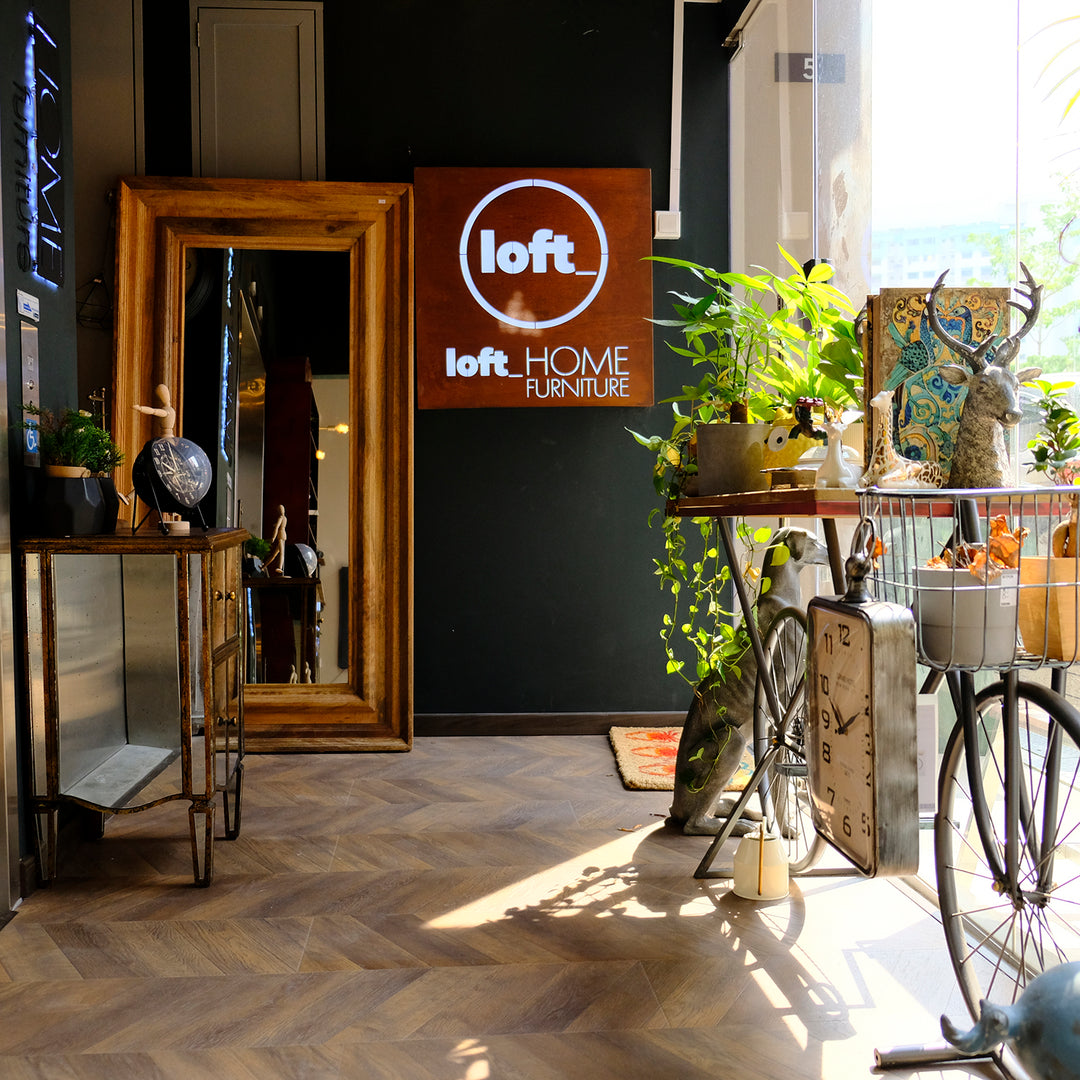
Visit our showroom at Gambas Crescent or browse our complete outdoor furniture collection online to discover weather-proof seating options that combine style, durability, and value for your Singapore home.

Leave a comment