
















































































What Is Scandinavian Style Furniture? A Practical Guide for Singapore Homes
Summarize with AI
Get a quick summary of this article using your preferred AI assistant.


What Is Scandinavian Style Furniture?
Scandinavian style furniture combines clean design, practical function and everyday comfort. It avoids unnecessary decoration and focuses on making furniture that is both good looking and functional.
The style developed through the design traditions of Denmark, Sweden and Norway. Homes in these regions often had to make the most of limited daylight, which encouraged the use of lighter colours, natural wood and uncluttered spaces.
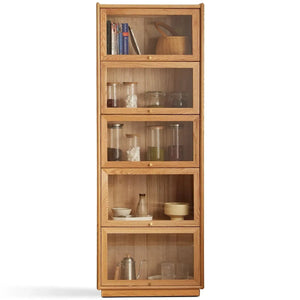
However, Scandinavian design is not only about creating a bright room. A true Scandinavian style design should complete a functional purpose. A dining table should be comfortable for regular eating occasions. A cabinet should provide useful storage without making the room look visually heavy.
The main idea is simple: “Furniture should improve daily life without demanding too much attention.”
What Makes Furniture Look Scandinavian?
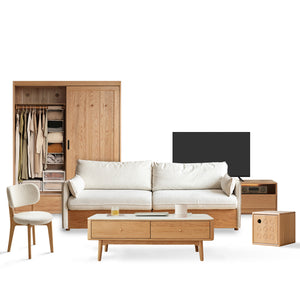
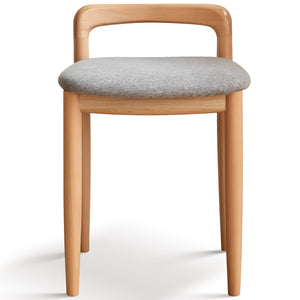
Scandinavian furniture is recognised by its balanced proportions, simple shapes and natural appearance. It often feels visually light even when the product is strong and well made.

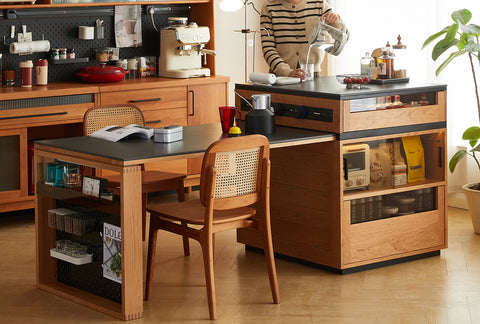
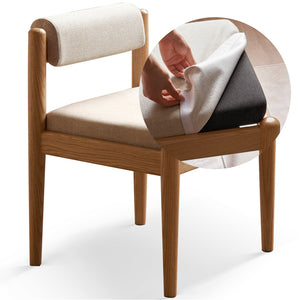
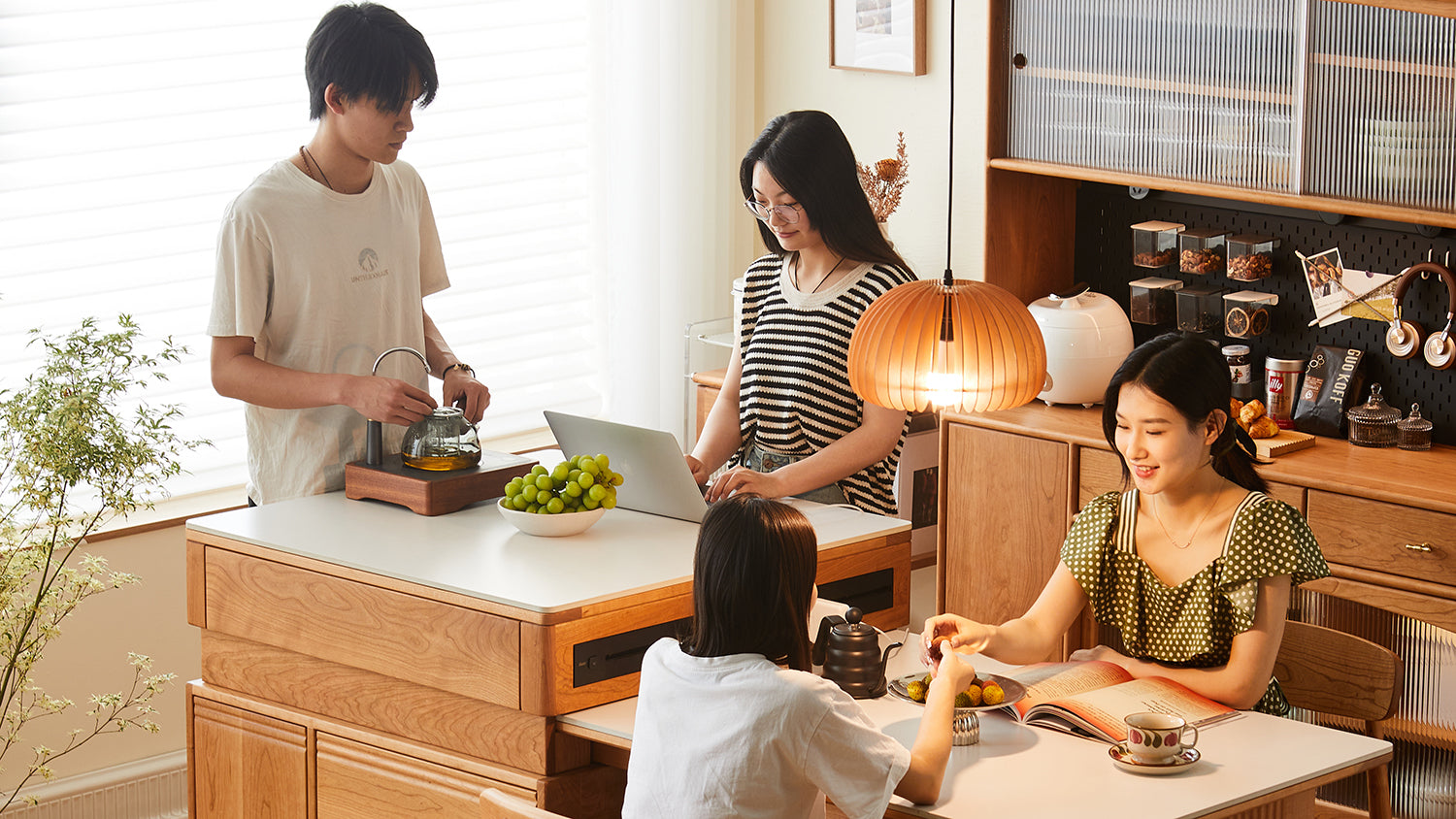
This dining setup shows how Scandinavian furniture combines clean lines, natural wood grain and limited decorative details. The design is simple and minimalist, giving a sense of calmness and modernity, and the wood texture on the chair frames adds a touch of warmth. Minimal styling keeps the space bright and comfortable for everyday living.
What Materials Are Used in Scandinavian Furniture?
Scandinavian furniture commonly uses natural wood with a warmth touch and visible texture in simple designs. At Loft Home, various wood options often used across our Scandinavian furniture, oak wood, cherry wood and rubber wood are popular among the buyers.
Oak Wood
Oak wood is valued for its strength, durability and unique natural grain. Its light to medium warm tone works especially well with the clean lines and neutral colours commonly found in Scandinavian interiors.
It is a practical choice for frequently used furniture such as dining tables because it provides a solid surface. For example, the Scandinavian Oak Wood Dining Table ELM uses FAS-certified North American oak wood and combines a spacious tabletop with a stable minimalist frame. Each table may be a little different due to natural knots and variations in the grain.
Best for: Dining tables, chairs, cabinets and furniture designed for regular family use.
Cherry Wood
Cherry wood is a smoother grain and warmer in colour than light oak. This soft reddish brown color can add a more inviting and classy tone to Scandinavian design, without making the design look heavy.
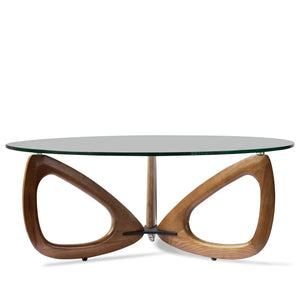
This makes cherry wood suitable for living-room furniture where warmth and visual character are important. One example from the collection, the Scandinavian Cherry Wood Coffee Table VISTA uses cherry wood to bring a richer natural tone into a simple Scandinavian silhouette. Other pieces with the material as solid cherry wood with natural warmth, rich grain and dependable strength for everyday use.
Best for: Coffee tables, side tables, TV consoles, dressing tables and storage furniture.
Rubber Wood
Rubber wood offers a practical balance between strength, smooth texture and affordability. It can be lightly sanded and finished so that it can obtain light natural colours that work well with the Scandinavian furniture. Rubber wood is also often used for the structural part of a frame and table legs.
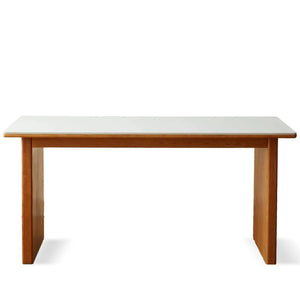
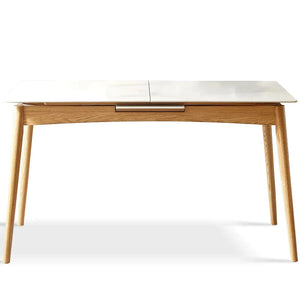
The Scandinavian Rubber Wood Sintered Stone Dining Table TERRA pairs a solid wood support structure with an easy-to-clean sintered stone tabletop. This combination keeps the table visually warm while providing a practical surface for everyday dining.
Best for: Dining tables, chairs, benches and homeowners seeking a more accessible solid wood option.
Wood Material Guide
Scandinavian Furniture Wood Comparison
Choose oak wood for strength and visible grain, cherry wood for a warmer and more refined appearance, or rubber wood for a practical and accessible option. The best choice depends on your preferred colour, furniture use and budget.
Scandinavian vs Minimalist vs Japandi Furniture
Scandinavian, minimalist and Japandi furniture share simple shapes, but they create different moods. Scandinavian design normally feels brighter and more relaxed, while minimalist design is more restrained and Japandi uses warmer, earthier materials.
Quick Style Comparison
These three styles share clean forms and simple layouts, but their colours, materials and overall atmosphere are noticeably different.
Scandinavian
Scandinavian style is bright, warm and practical, making it suitable for comfortable everyday homes.
- Look: Bright, warm and practical
- Materials: Light wood, natural grain and soft fabrics
- Best For: Comfortable and welcoming everyday homes
Minimalist
Minimalist style focuses on clean lines, quiet surfaces and a more restrained visual look.
- Look: Clean, quiet and highly restrained
- Materials: Smooth surfaces and simple finishes
- Best For: Low clutter homes with fewer visual details
Japandi
Japandi style feels warm, earthy and grounded, with a calmer and more mature interior direction.
- Look: Warm, earthy and grounded
- Materials: Darker wood, natural textures and matte finishes
- Best For: Calm, mature and thoughtfully styled interiors
Can These Styles Be Mixed?
Yes. Choose furniture with compatible wood undertones, clean shapes and a controlled colour palette. Use one style as the main direction, then introduce selected elements from the other styles to keep the room balanced and consistent.
Scandinavian furniture can also be mixed with Japandi or minimalist pieces. The key is to maintain consistent proportions and materials rather than relying only on style labels.
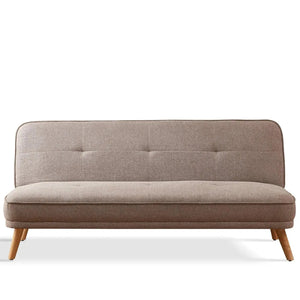
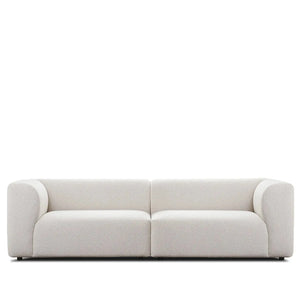
For example, our Scandinavian sofa can work with a darker Japandi coffee table when the fabrics, wall colours and surrounding furniture connect the two tones.

Is Scandinavian Furniture Suitable for Singapore Homes?
Scandinavian furniture is well suited to many Singapore homes because it combines practical function with a visually lighter appearance. This is especially useful in compact home layouts like BTO.
Raised legs expose more flooring, helping a room feel less crowded. Slimmer furniture profiles also leave more room for walking and movement.
Neutral colours are useful in Singapore apartments because living and dining areas are often connected. Repeating similar wood tones and fabrics across both spaces creates a more consistent appearance.
However, homeowners should not assume every Scandinavian-style product is compact. A deep sofa with slim legs can still overwhelm a small living room. A large dining table can still block the walkway, even when it has a light oak finish.
From our showroom experience, furniture depth is one of the measurements customers most frequently underestimate. A sofa may fit perfectly along the wall but still leave insufficient circulation space between the sofa and TV console.
How Can You Tell If Scandinavian Furniture Is Good Quality?
Scandinavian furniture is easy to define the quality, check whether it’s stable, comfortable and suitable for the intended use. The style alone does not guarantee quality.
Inspect the following:
Construction
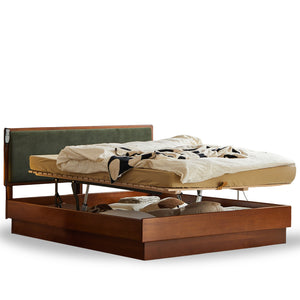
Check whether the legs feel secure, drawers move smoothly and doors align properly. Extendable tables and storage beds should operate without excessive force.
Materials
Confirm whether the product uses solid wood, veneer, engineered wood, fabric or leather. Do not rely only on the colour or product photographs.
Finishing
Wood surfaces should feel appropriately smooth for the intended design. Look at edges, corners, joints and areas around handles.
Comfort
Sit on sofas and dining chairs when possible. Check seat depth, back support, firmness and armrest position. A beautiful chair can be uncomfortable after ten minutes and will dissuade you from the idea.
Check the Product Information Before Buying
A complete product page should help you understand whether the furniture suits your space, lifestyle and delivery requirements before placing an order.
Loft Home product pages provide useful details such as:
- Complete dimensions
- Material specifications
- Colour options
- Care instructions
- Delivery and Warranty
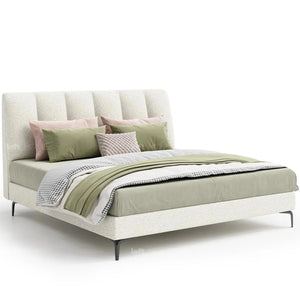
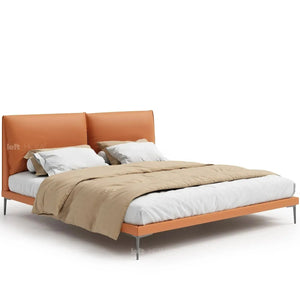
Review these details carefully before ordering, especially for larger furniture such as sofas, dining tables, cabinets and bed frames.
How Should Scandinavian Furniture Be Maintained in Singapore?
Scandinavian furniture should be kept clean, dry and properly ventilated. Singapore’s humid climate makes regular care especially important for wood and upholstery.
For wooden furniture:
- Dust regularly
- Wipe spills promptly
- Avoid soaking the surface
- Use coasters and heat protection
- Keep furniture away from prolonged moisture
For fabric furniture:
- Vacuum the surface regularly
- Clean spills quickly
- Avoid using unsuitable chemicals
- Allow sufficient ventilation
Natural wood can change slightly in colour over time due to light exposure and ageing. This is normal and can add character to the furniture.
Creating a Scandinavian Home
Choosing Scandinavian style furniture that makes your home easier and more comfortable to use. Begin with the essential pieces, measure the room carefully and pay attention to function as much as appearance. Choose natural materials, balanced proportions and colours that work with your lighting.
For homeowners who prefer to compare materials and test comfort in person, visit Loft Home’s showroom now. Loft Home offers a broad selection of Scandinavian-style furniture for living rooms, dining areas, bedrooms and compact entryways.
Frequently Asked Questions
Helpful answers about Scandinavian furniture materials, pricing, styling and suitability for Singapore homes.
Is Scandinavian furniture always light wood?
No. Light oak and beech are common, but darker wood such as cherry or rubber can still work when the overall furniture shape, function and colour palette remain consistent.
Is Scandinavian furniture expensive?
It is available across different price ranges. The price depends on the materials, construction, design, brand and product features rather than the style alone.
Does all Scandinavian furniture need to match?
No. Coordinated furniture usually looks more natural than a complete matching set. Choose one dominant wood tone and repeat selected colours or materials throughout the room.
Is Scandinavian furniture suitable for BTO homes?
Yes. Raised legs, clean shapes and practical storage can work well in BTO layouts. However, buyers must still check the actual product dimensions.
Can Scandinavian and Japandi furniture be mixed?
Yes. Both styles value simple forms and natural materials. Use a consistent colour palette and avoid combining too many wood undertones.
Ready to Complete Your Living Room?
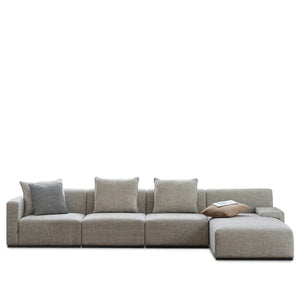
Discover designer-quality sofas at accessible prices, crafted to anchor your perfectly styled space. From compact 2-seaters to luxurious sectionals, find the ideal foundation for your rug and transform your Singapore home.
Explore Loft Home Furniture



Leave a comment